Pomeranian: Complete Breed Guide to Temperament, Health, and Care

Pomeranian: Complete Breed Guide to Temperament, Health, and Care
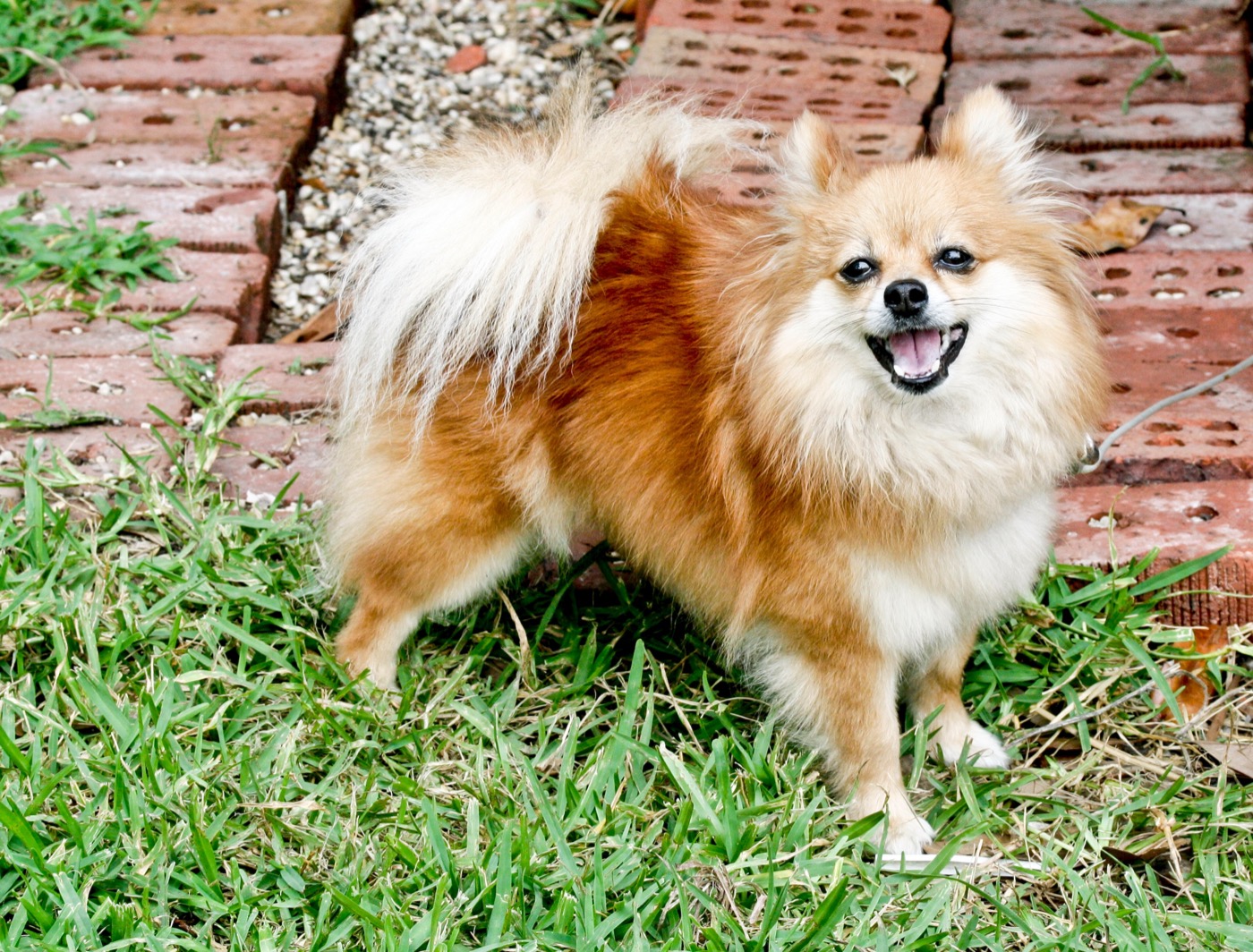
The Pomeranian takes its name from the Pomerania region spanning modern northwest Poland and northeast Germany, bred down from larger German Spitz sled dogs into a toy companion breed. Proper documentation of the breed’s development was lacking until its introduction into the United Kingdom, though an early reference appears in James Boswell’s 1764 diary.
Photo: willc2 / Wikimedia Commons, CC BY-SA 2.0
| Origin | Height | Weight | Lifespan | Energy Level |
|---|---|---|---|---|
| Pomerania (Germany/Poland border region) | 18-30 cm | 1.4-3.2 kg | ~12.2-14 years | High |
Executive Summary
The Pomeranian is alert and highly aware of its environment, descended from much larger Spitz-type sled dogs bred down over generations into a toy companion. It tends toward territorial, vocal behavior and carries a documented, often-overlooked set of hereditary health risks for such a small dog.
What Owning a Pomeranian Involves
| With training & care | Without it |
|---|---|
| Alert, spirited companion aware of its surroundings | Excessive barking from strong territorial instinct |
| Careful jumping/stair management protects fragile joints | Patellar luxation, the highest documented prevalence of any breed |
| Regular tracheal health monitoring in older dogs | Undiagnosed collapsed trachea, a documented breed risk |
| Portion control manages a real predisposition to weight gain | Obesity, documented at over 50% in some populations |
3 Real-World Scenarios
- An owner researching joint health before adopting: learns Pomeranians have the highest documented prevalence of patellar luxation of any breed studied, and plans furniture ramps accordingly.
- A family wanting an alert, small watchdog: picks the Pomeranian for its territorial awareness, while preparing for its tendency toward frequent barking.
- An owner monitoring an aging Pomeranian’s breathing: watches for signs of collapsed trachea, a well-documented condition in the breed as it ages.
2 Pomeranian Facts
1. The Pomeranian is a genuinely miniaturized version of much larger German Spitz sled dogs — the breed’s small size is the direct result of generations of deliberate downsizing, not a naturally small original stock.
2. Patellar luxation (a kneecap condition) has been documented at the highest prevalence of any breed studied in major veterinary surveys — an important, often underappreciated risk given the Pomeranian’s popularity as a toy breed.
🐾 Try It: What Breed Does Your Dog’s Description Match?
Click through real physical traits and see how close your dog’s description comes to a Pomeranian or another breed.
🐾 What Breed Is My Dog? Click the traits you see
Try it instantly — no sign-up. Watch the match bar grow as you go.
For fun and general guidance only — not a substitute for a professional breed evaluation or DNA test. Photo credits shown above each result.
How the Pomeranian Compares to Other Breeds We’ve Covered
| Breed | Origin | Male Weight | Energy Level | Guarding Instinct |
|---|---|---|---|---|
| Rottweiler | Germany | 50-60 kg | High | Very high |
| Doberman Pinscher | Germany (1880s) | 40-45 kg | Very high | Very high |
| German Shepherd | Germany (1899) | 30-40 kg | Very high | High |
| Beauceron | France (1587) | 30-45 kg | High | High |
| Golden Retriever | Scotland (1868) | 29-34 kg | High | Low |
| Labrador Retriever | England (1903) | 29-36 kg | High | Low |
| French Bulldog | France (1898) | 9-14 kg | Moderate | Low |
| Poodle (Standard) | Germany/France | 20-32 kg | High | Low |
| Bulldog | England (1875) | ~25 kg | Low | Low |
| Beagle | England (1830s) | 10-11 kg | High | Low |
| Dachshund | Germany (1700s) | 7-15 kg | Moderate | Moderate |
| Yorkshire Terrier | England (1870s) | ≤3.2 kg | Moderate | Low |
| Boxer | Germany (1895) | 30-32 kg | High | High |
| Siberian Husky | Russia (Chukchi) | 20-27 kg | Very high | Low |
| Great Dane | Germany (1878) | 54+ kg | Moderate | Moderate |
| Chihuahua | Mexico | 1-3 kg | High | Low |
| Pug | China | 6-8 kg | Low | Low |
| Border Collie | UK (1893) | 14-25 kg | Very high | Low |
| Australian Shepherd | USA | 16-32 kg | Very high | Moderate |
| Shih Tzu | Tibet/China | 4-7.5 kg | Moderate | Low |
| Cocker Spaniel | England | 13-14.5 kg | High | Low |
| Cavalier King Charles Spaniel | UK (1944) | 5.4-8 kg | Moderate | Low |
| Miniature Schnauzer | Germany | 4-8 kg | Moderate | Moderate |
| Pomeranian | Germany/Poland | 1.4-3.2 kg | High | Low |
| Shetland Sheepdog | Scotland (1909) | ~9-11 kg | High | Moderate |
| Bernese Mountain Dog | Switzerland (1912) | 36-55 kg | Moderate | Moderate |
| Newfoundland | Canada | 65-80 kg | Moderate | Low |
| Akita | Japan (1931) | 27-59 kg | Moderate | High |
| Alaskan Malamute | USA (Alaska) | 34-39 kg | Very high | Low |
| Bull Terrier | England | Unstandardized | High | Moderate |
| Staffordshire Bull Terrier | UK (1935) | 13-17 kg | High | Moderate |
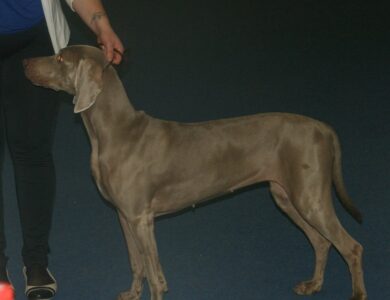
| Weimaraner | Germany (1891) | 30-40 kg | Very high | Moderate |
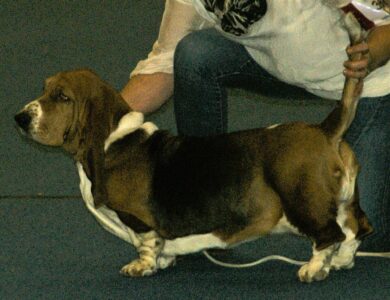
| Basset Hound | France | 25-34 kg | Low | Low |
| Bichon Frise | France/Belgium | ~5 kg | Moderate | Low |
| Maltese | Italy | 3-4 kg | Moderate | Low |
Weight and origin data from published breed standards; energy/guarding levels are general working-breed characterizations, not clinical measurements. See the full breed index for filters by size and origin.
Nutrition and Exercise
Pomeranians need real daily exercise despite their tiny size, but portion control matters given documented obesity rates over 50% in some populations. Ramps or steps to furniture help protect against the breed’s well-documented, unusually high rate of patellar luxation.
10 FAQs
Where does the Pomeranian come from?
How big does a Pomeranian get?
What health problems are common in Pomeranians?
Why do Pomeranians bark so much?
Are Pomeranians prone to obesity?
What is patellar luxation?
How long do Pomeranians live?
Were Pomeranians originally a large breed?
Are Pomeranians good family dogs?
Is a Pomeranian good for a first-time owner?
🎥 5 Best YouTube Videos About the Pomeranian
These videos are embedded directly using YouTube’s own official embed player, in compliance with YouTube’s Terms of Service — we don’t host, own, or claim any credit for this footage. All rights remain with each video’s original creator; click a channel name below to visit their YouTube channel.
Facts About Pomeranian Dogs 101 – All You Need to Know — by Dog Discoveries
Pomeranian 101 – Everything You Need to Know About this Breed — by Pets Central
Pomeranian Dogs 101 – What Every Owner Should Know — by PetMania
Dogs 101 – POMERANIAN – Top Dog Facts About the Pomeranian — by Brooklyns Corner
The POMERANIAN Dog (Origin, Characteristics, Character and Care) — by AnimalWised
Dog Breed Guide Index: Every Breed We’ve Covered, Filterable by Origin, Size, and Age
Chihuahua: Complete Breed Guide to Temperament, Health, and Care
AI Dog Breed Photo Identifier: Upload a Photo, Get an Instant AI Match