Beagle: Complete Breed Guide to Temperament, Health, and Care

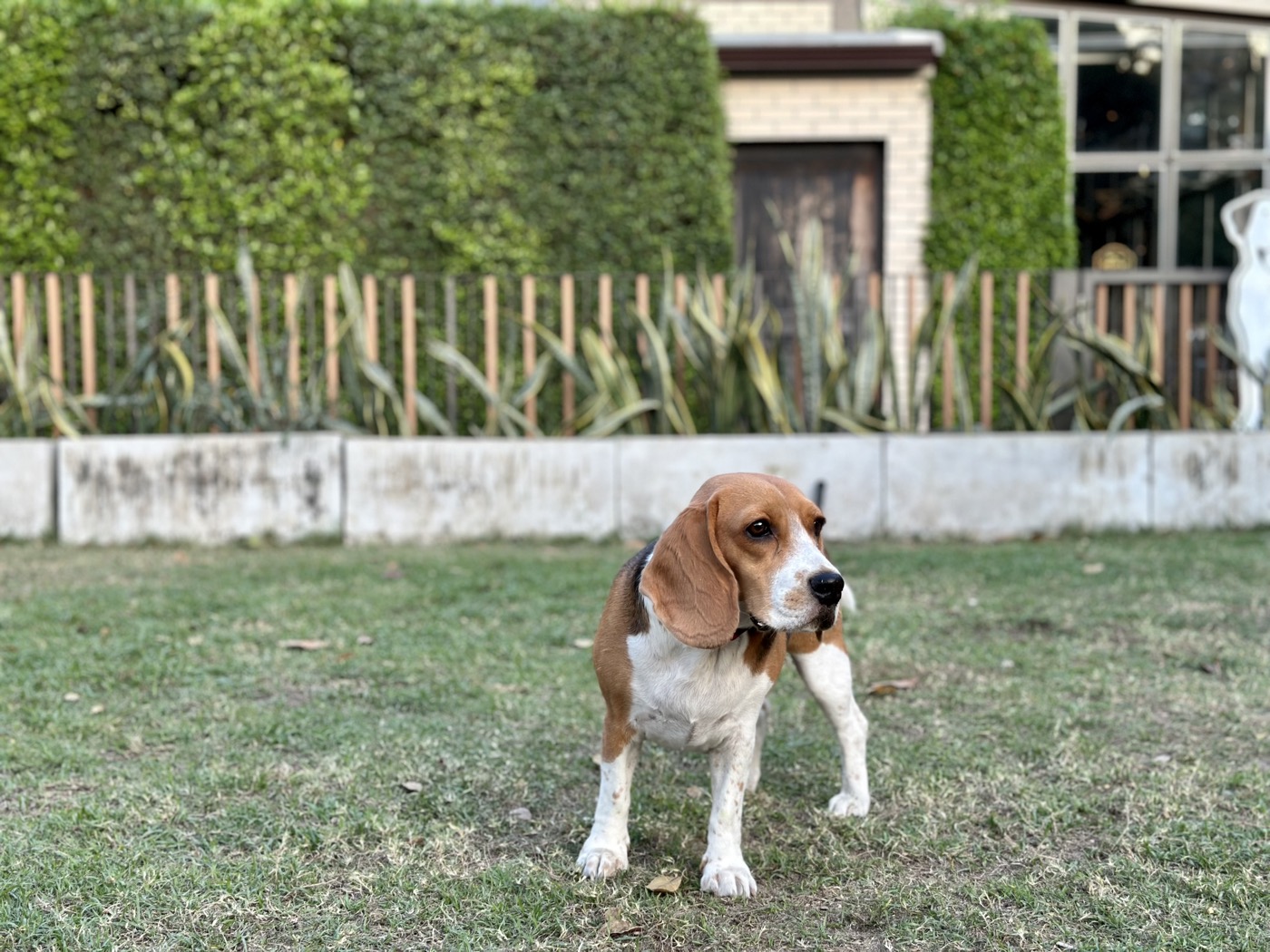
Beagle: Complete Breed Guide to Temperament, Health, and Care
The Beagle was developed in Great Britain in the 1830s, when Reverend Phillip Honeywood established a hunting pack in Essex believed to form the basis of the modern breed, used for hunting rabbit and hare in a pursuit known as “beagling.” Its keen nose later made it one of the most widely used scent-detection breeds, a very different working role from the guarding breeds like the Rottweiler.
Photo: Slyronit / Wikimedia Commons, CC BY-SA 4.0
| Origin | Height | Weight | Lifespan | Energy Level |
|---|---|---|---|---|
| England (1830s) | 33–41 cm | Males 10.0–11.3 kg · Females 9.1–10.4 kg | ~12.5 years (2024 UK study) | High |
Executive Summary
The Beagle has an even temper and gentle, merry disposition — bred to hunt in packs by scent, it is amiable, neither aggressive nor timid, and makes an excellent family companion, though its powerful nose can make recall training a real challenge.
What Owning a Beagle Involves
| With training & care | Without it |
|---|---|
| Merry, gentle family companion good with children | Scent-driven wandering if let off-leash without training |
| Regular ear cleaning prevents chronic infections | Ear infections from the breed’s long, floppy ears |
| Routine screening catches hip dysplasia and glaucoma early | Undiagnosed joint or eye disease progressing untreated |
| Portion-controlled feeding manages a food-driven appetite | Obesity, a well-documented risk given the breed’s strong food motivation |
3 Real-World Scenarios
- A family choosing a friendly, kid-compatible breed: picks the Beagle for its documented merry, non-aggressive temperament, one reason it remains a consistently popular family breed.
- An owner managing recall difficulties: learns the Beagle was bred specifically to hunt by scent independently of its handler, and adjusts training and containment expectations accordingly.
- A detection-dog trainer selecting candidates: relies on the same powerful, documented scenting ability that made the breed a top choice for airport and customs detection work worldwide.
2 Beagle Facts
1. The modern Beagle traces to a specific documented pack: Reverend Phillip Honeywood’s Essex hunting pack, established in the 1830s, is believed to form the basis of the breed we know today.
2. Because of its exceptional scenting ability and manageable size, the Beagle became one of the most widely used breeds for detection work worldwide, including airport agricultural and customs screening programs.
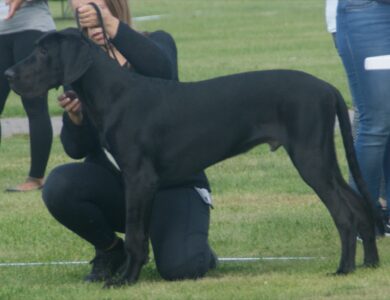
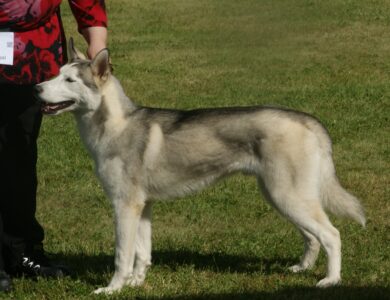
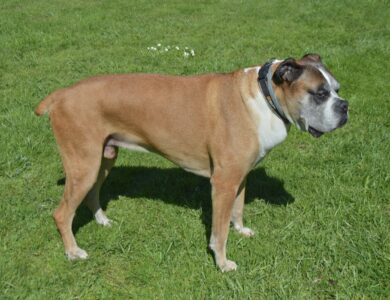
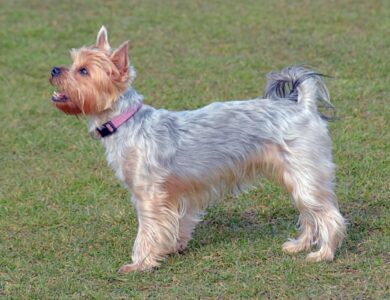
🐾 Try It: What Breed Does Your Dog’s Description Match?
Click through real physical traits and see how close your dog’s description comes to a Beagle or another breed.
🐾 What Breed Is My Dog? Click the traits you see
Try it instantly — no sign-up. Watch the match bar grow as you go.
For fun and general guidance only — not a substitute for a professional breed evaluation or DNA test. Photo credits shown above each result.
How the Beagle Compares to Other Breeds We’ve Covered
| Breed | Origin | Male Weight | Energy Level | Guarding Instinct |
|---|---|---|---|---|
| Rottweiler | Germany | 50-60 kg | High | Very high |
| Doberman Pinscher | Germany (1880s) | 40-45 kg | Very high | Very high |
| German Shepherd | Germany (1899) | 30-40 kg | Very high | High |
| Beauceron | France (1587) | 30-45 kg | High | High |
| Golden Retriever | Scotland (1868) | 29-34 kg | High | Low |
| Labrador Retriever | England (1903) | 29-36 kg | High | Low |
| French Bulldog | France (1898) | 9-14 kg | Moderate | Low |
| Poodle (Standard) | Germany/France | 20-32 kg | High | Low |
| Bulldog | England (1875) | ~25 kg | Low | Low |
| Beagle | England (1830s) | 10-11 kg | High | Low |
| Dachshund | Germany (1700s) | 7-15 kg | Moderate | Moderate |
| Yorkshire Terrier | England (1870s) | ≤3.2 kg | Moderate | Low |
| Boxer | Germany (1895) | 30-32 kg | High | High |
| Siberian Husky | Russia (Chukchi) | 20-27 kg | Very high | Low |
| Great Dane | Germany (1878) | 54+ kg | Moderate | Moderate |
Weight and origin data from published breed standards; energy/guarding levels are general working-breed characterizations, not clinical measurements. See the full breed index for filters by size and origin.
Nutrition and Exercise
Beagles need substantial daily exercise to match their scent-hound energy, ideally in a securely fenced area given their strong tracking instinct. Portion control is important, since the breed’s food-driven temperament makes it prone to obesity.
10 FAQs
Where does the Beagle come from?
How big does a Beagle get?
What was the Beagle originally bred for?
What health problems are common in Beagles?
Are Beagles good family dogs?
Why do Beagles wander off?
Do Beagles need a lot of exercise?
Are Beagles used for detection work?
Is a Beagle good for a first-time owner?
Why do Beagles get ear infections?
Dog Breed Guide Index: Every Breed We’ve Covered, Filterable by Origin, Size, and Age
Rottweiler: Complete Breed Guide to Temperament, Health, and Care
AI Dog Breed Photo Identifier: Upload a Photo, Get an Instant AI Match