German Shepherd: Complete Breed Guide to Temperament, Health, and Care

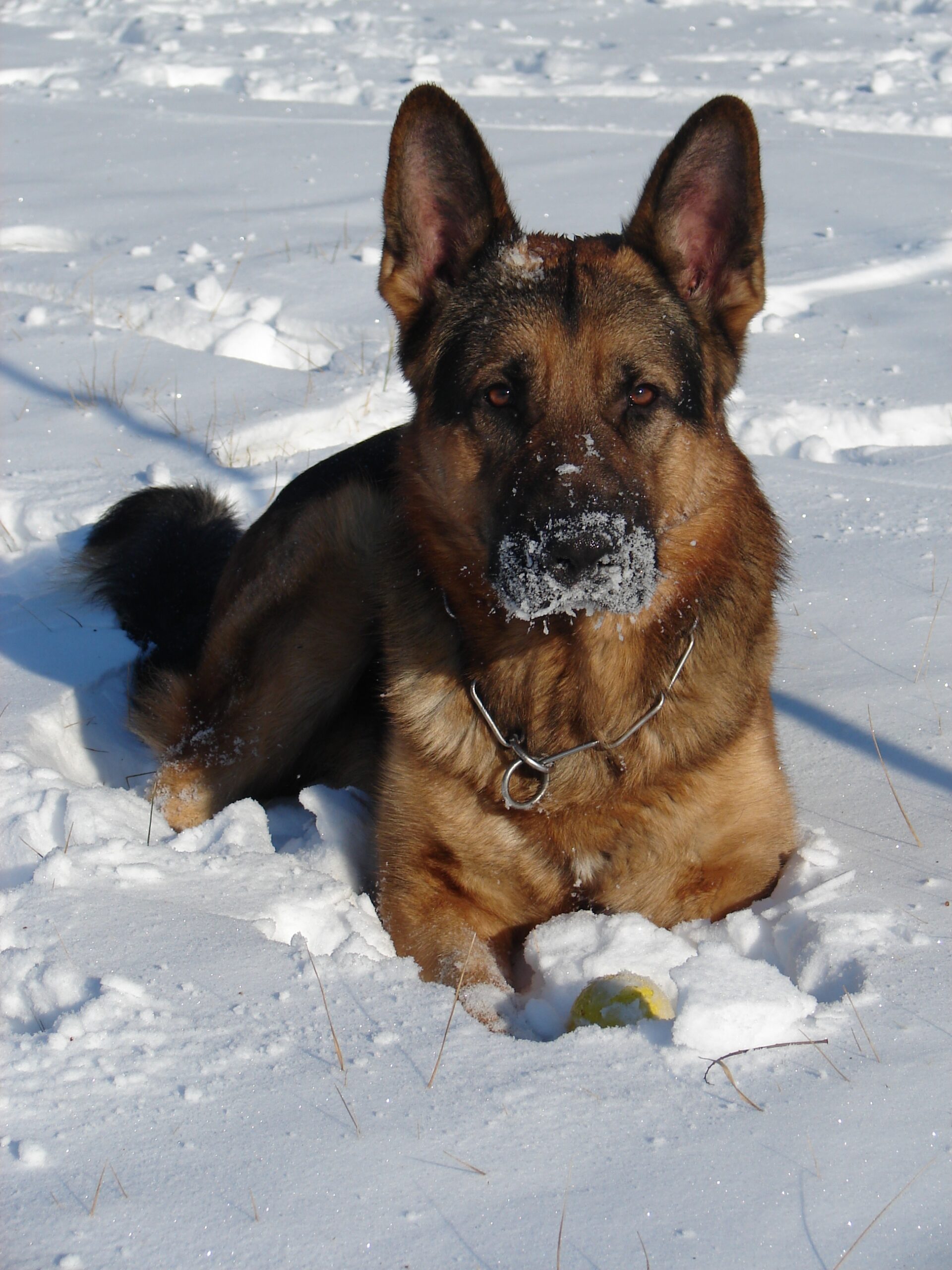
German Shepherd: Complete Breed Guide to Temperament, Health, and Care
The German Shepherd was developed starting in 1899 by Max von Stephanitz, who standardized traditional German herding dogs into a single, highly capable working breed. Recognized by Germany’s VDH, it is today one of the most popular breeds worldwide, and stands alongside the Rottweiler and Doberman as one of Germany’s three best-known working breeds.
Photo: Svssvs / Wikimedia Commons, CC BY-SA 3.0
| Origin | Height | Weight | Lifespan | Energy Level |
|---|---|---|---|---|
| Germany | Males 60–65 cm · Females 55–60 cm | Males 30–40 kg · Females 22–32 kg | ~10 years (varies by study) | Very High |
Executive Summary
The German Shepherd is highly intelligent, obedient, and protective of its family — bred originally to herd sheep, but so trainable and versatile that it became the default choice for police, military, and service work worldwide. It thrives with owners who give it a real job to do, structured or otherwise.
What Owning a German Shepherd Involves
| With training & purpose | Without it |
|---|---|
| Highly trainable working partner across many disciplines | Restlessness and problem behaviors from boredom |
| Confident, protective family companion | Over-guarding or anxiety without socialization |
| Hip/elbow screening catches dysplasia early | Undiagnosed joint disease progressing untreated |
| Mental stimulation channels intelligence productively | Destructive or repetitive behaviors indoors |
3 Real-World Scenarios
- A family choosing between a German Shepherd and a Rottweiler: compares the Shepherd’s herding-derived trainability against the Rottweiler’s guarding-derived steadiness — see our full breed comparison.
- A handler training for search-and-rescue or service work: relies on the breed’s documented versatility, the same trait Max von Stephanitz selected for when standardizing the breed in 1899.
- An owner managing degenerative myelopathy risk: researches genetic testing options, since this spinal condition is a well-documented concern in the breed’s later years.
2 German Shepherd Facts
1. The breed was deliberately standardized by one person, cavalry captain Max von Stephanitz, starting in 1899 — he founded the first breed club specifically to unify regional German herding dogs into a consistent working standard.
2. Degenerative myelopathy, a progressive spinal cord disease, is a documented breed concern in older German Shepherds, alongside hip and elbow dysplasia — genetic screening exists for at-risk lines.
🐾 Try It: What Breed Does Your Dog’s Description Match?
Click through real physical traits and see how close your dog’s description comes to a German Shepherd or another working breed.
🐾 What Breed Is My Dog? Click the traits you see
Try it instantly — no sign-up. Watch the match bar grow as you go.
For fun and general guidance only — not a substitute for a professional breed evaluation or DNA test. Photo credits shown above each result.
How the German Shepherd Compares to Similar Popular Breeds
| Breed | Origin | Male Weight | Energy Level | Guarding Instinct |
|---|---|---|---|---|
| Rottweiler | Germany | 50-60 kg | High | Very high |
| Doberman Pinscher | Germany (1880s) | 40-45 kg | Very high | Very high |
| German Shepherd | Germany (1899) | 30-40 kg | Very high | High |
| Beauceron | France (1587) | 30-45 kg | High | High |
| Golden Retriever | Scotland (1868) | 29-34 kg | High | Low |
| Labrador Retriever | England (1903) | 29-36 kg | High | Low |
| French Bulldog | France (1898) | 9-14 kg | Moderate | Low |
| Poodle (Standard) | Germany/France | 20-32 kg | High | Low |
| Bulldog | England (1875) | ~25 kg | Low | Low |
| Beagle | England (1830s) | 10-11 kg | High | Low |
| Dachshund | Germany (1700s) | 7-15 kg | Moderate | Moderate |
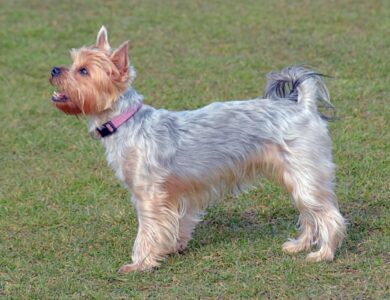
| Yorkshire Terrier | England (1870s) | ≤3.2 kg | Moderate | Low |
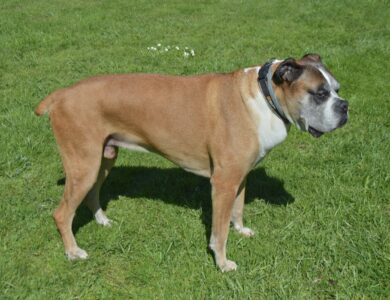
| Boxer | Germany (1895) | 30-32 kg | High | High |
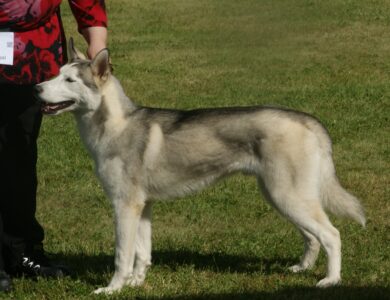
| Siberian Husky | Russia (Chukchi) | 20-27 kg | Very high | Low |
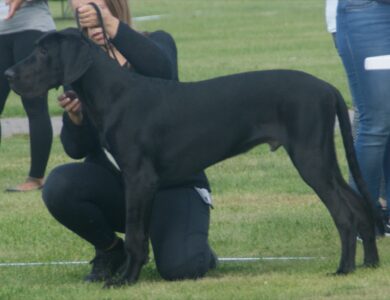
| Great Dane | Germany (1878) | 54+ kg | Moderate | Moderate |
Weight and origin data from published breed standards; energy/guarding levels are general working-breed characterizations, not clinical measurements. See the full breed index for filters by size and origin.
Nutrition and Exercise
German Shepherds need substantial daily physical exercise combined with mental work — obedience training, scent games, or a real job — to stay balanced. Diet should support joint health through the growth phase given the breed’s documented dysplasia risk.
10 FAQs
What was the German Shepherd originally bred for?
How big does a German Shepherd get?
What is degenerative myelopathy?
Are German Shepherds good family dogs?
Who created the German Shepherd breed?
How does a German Shepherd compare to a Rottweiler?
How much exercise does a German Shepherd need?
What health screening should a German Shepherd have?
Is a German Shepherd good for a first-time owner?
Is the German Shepherd recognized by an official kennel club?
Rottweiler: Complete Breed Guide to Temperament, Health, and Care
Doberman Pinscher: Complete Breed Guide to Temperament, Health, and Care
Verband für das Deutsche Hundewesen (VDH): Germany’s National Kennel Club
AI Dog Breed Photo Identifier: Upload a Photo, Get an Instant AI Match
Dog Breed Guide Index: Every Breed We’ve Covered, Filterable by Origin, Size, and Age