Yorkshire Terrier: Complete Breed Guide to Temperament, Health, and Care

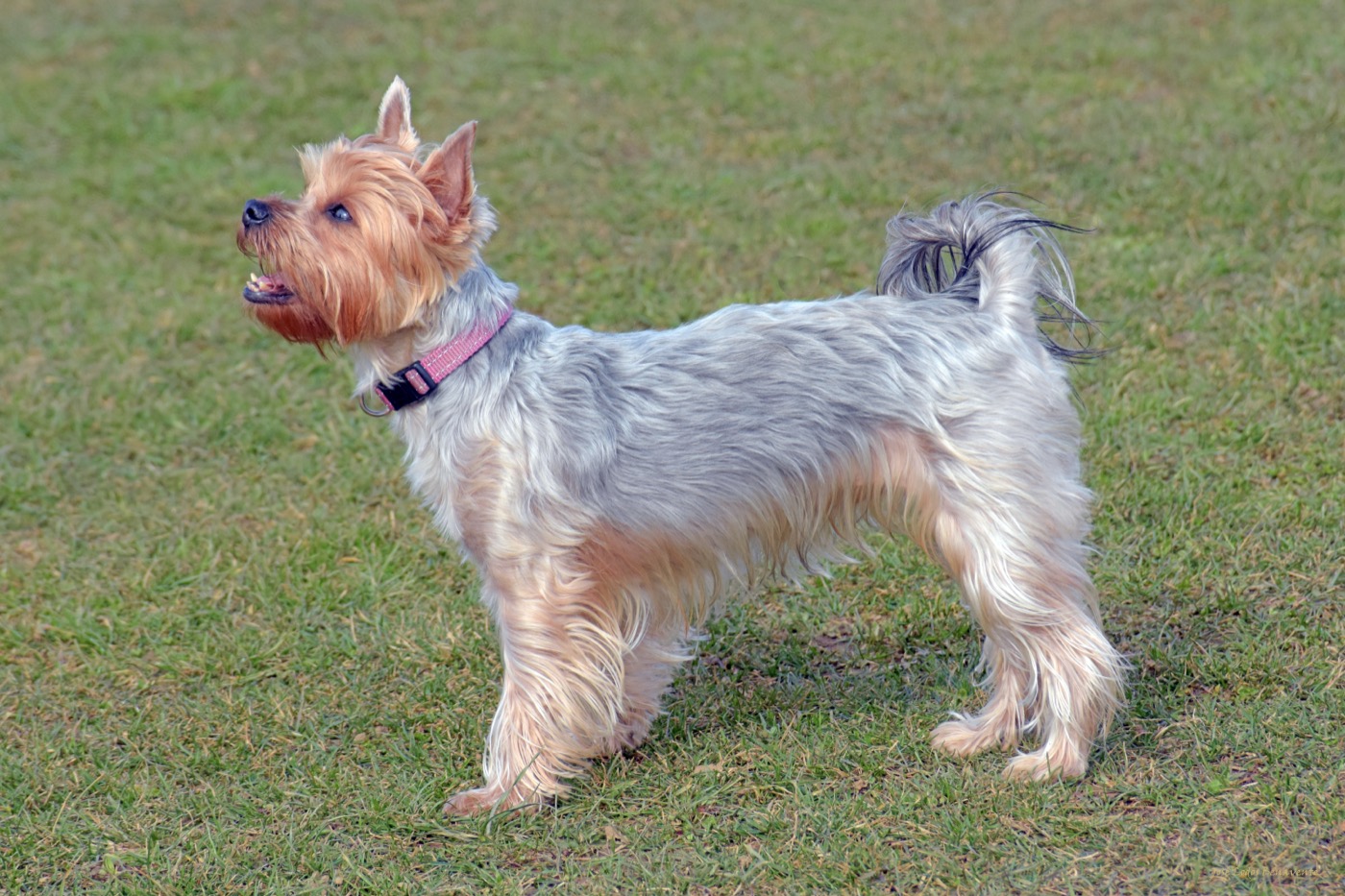
Yorkshire Terrier: Complete Breed Guide to Temperament, Health, and Care
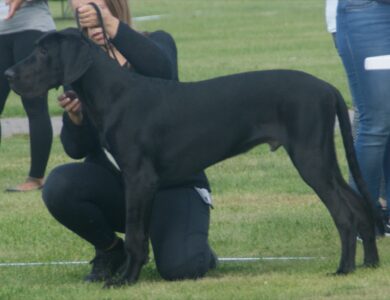
The Yorkshire Terrier was developed in Yorkshire, England, in the mid-1800s, when Scottish mill workers migrating for work bred Black-and-Tan Terriers with Paisley and Clydesdale Terriers to create a ratting dog for textile mills. A show dog named Huddersfield Ben, owned by Mary Ann Foster, became so influential to the breed’s look that he is still referred to as its “father.” Today it’s one of the most popular toy companion breeds, a world away in size from the Great Dane.
Photo: Joselodos / Wikimedia Commons, CC0
| Origin | Height | Weight | Lifespan | Energy Level |
|---|---|---|---|---|
| England (mid-1800s) | Not standardized precisely | Not over 3.2 kg | 12.5–14.3 years | Moderate |
Executive Summary
The Yorkshire Terrier is playful, energetic, and carries an unmistakably confident “important air” despite its tiny size — a legacy of its working-terrier origins hunting rats in textile mills, not bred purely as a decorative lapdog.
What Owning a Yorkshire Terrier Involves
| With training & care | Without it |
|---|---|
| Confident, playful companion with a big personality | Small-dog fragility around rough handling or falls |
| Dental care manages a breed-prone periodontal risk | Periodontal disease, common in toy breeds |
| Careful puppy feeding schedule prevents hypoglycemia | Hypoglycemia, especially risky in Yorkshire Terrier puppies |
| Routine tracheal and patella monitoring | Undiagnosed tracheal collapse or luxating patella |
3 Real-World Scenarios
- A new owner of a Yorkshire Terrier puppy: learns to schedule frequent small meals, since hypoglycemia is a documented, especially serious risk in Yorkshire Terrier puppies specifically.
- An apartment dweller choosing a companion breed: picks the Yorkshire Terrier for its small size, while budgeting for the breed’s documented dental and periodontal care needs.
- An owner researching the breed’s working history: discovers the Yorkshire Terrier wasn’t bred purely as a lapdog — it descends from real ratting terriers used in 1800s textile mills.
2 Yorkshire Terrier Facts
1. A single dog, a show terrier named Huddersfield Ben owned by Mary Ann Foster, was so influential in defining the breed’s look that dog historians still refer to him as the “father of the breed.”
2. Despite its now-fashionable image, the Yorkshire Terrier was originally a working dog — mill workers in 1800s Yorkshire specifically bred it to hunt and kill rats in textile mills.
🐾 Try It: What Breed Does Your Dog’s Description Match?
Click through real physical traits and see how close your dog’s description comes to a Yorkshire Terrier or another breed.
🐾 What Breed Is My Dog? Click the traits you see
Try it instantly — no sign-up. Watch the match bar grow as you go.
For fun and general guidance only — not a substitute for a professional breed evaluation or DNA test. Photo credits shown above each result.
How the Yorkshire Terrier Compares to Other Breeds We’ve Covered
| Breed | Origin | Male Weight | Energy Level | Guarding Instinct |
|---|---|---|---|---|
| Rottweiler | Germany | 50-60 kg | High | Very high |
| Doberman Pinscher | Germany (1880s) | 40-45 kg | Very high | Very high |
| German Shepherd | Germany (1899) | 30-40 kg | Very high | High |
| Beauceron | France (1587) | 30-45 kg | High | High |
| Golden Retriever | Scotland (1868) | 29-34 kg | High | Low |
| Labrador Retriever | England (1903) | 29-36 kg | High | Low |
| French Bulldog | France (1898) | 9-14 kg | Moderate | Low |
| Poodle (Standard) | Germany/France | 20-32 kg | High | Low |
| Bulldog | England (1875) | ~25 kg | Low | Low |
| Beagle | England (1830s) | 10-11 kg | High | Low |
| Dachshund | Germany (1700s) | 7-15 kg | Moderate | Moderate |
| Yorkshire Terrier | England (1870s) | ≤3.2 kg | Moderate | Low |
| Boxer | Germany (1895) | 30-32 kg | High | High |
| Siberian Husky | Russia (Chukchi) | 20-27 kg | Very high | Low |
| Great Dane | Germany (1878) | 54+ kg | Moderate | Moderate |
Weight and origin data from published breed standards; energy/guarding levels are general working-breed characterizations, not clinical measurements. See the full breed index for filters by size and origin.
Nutrition and Exercise
Yorkshire Terrier puppies need frequent small meals to manage a documented risk of hypoglycemia; adults do well on portion-controlled toy-breed diets. Regular dental care is important, since periodontal disease is common in small breeds.
10 FAQs
Where does the Yorkshire Terrier come from?
How big does a Yorkshire Terrier get?
What was the Yorkshire Terrier originally bred for?
What health problems are common in Yorkshire Terriers?
Why is hypoglycemia a concern in Yorkshire Terrier puppies?
How long do Yorkshire Terriers live?
Are Yorkshire Terriers good apartment dogs?
Who was Huddersfield Ben?
Do Yorkshire Terriers need a lot of exercise?
Is a Yorkshire Terrier good for a first-time owner?
Dog Breed Guide Index: Every Breed We’ve Covered, Filterable by Origin, Size, and Age
Great Dane: Complete Breed Guide to Temperament, Health, and Care
AI Dog Breed Photo Identifier: Upload a Photo, Get an Instant AI Match