Beauceron: Complete Breed Guide to Temperament, Health, and Care

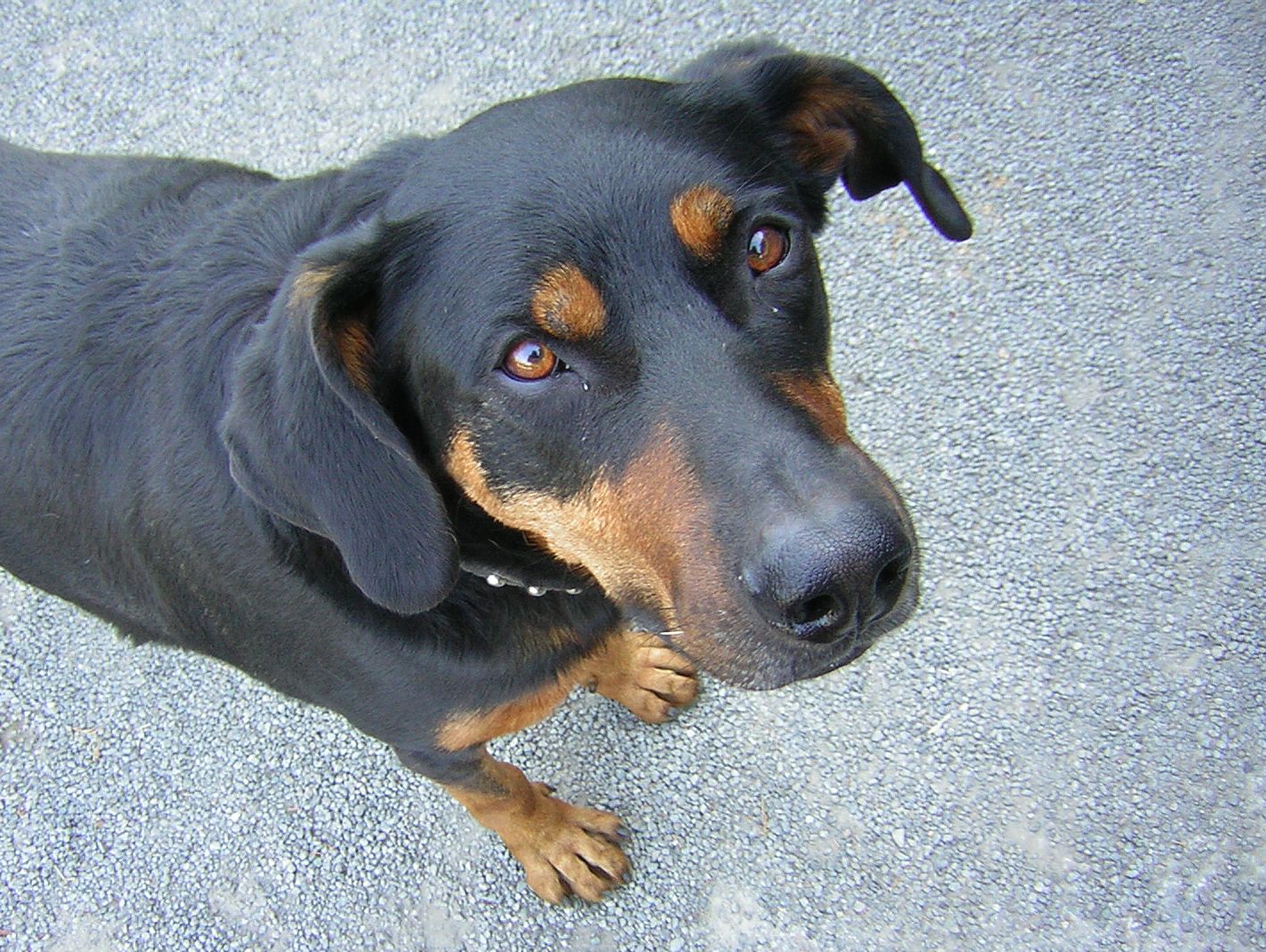
Beauceron: Complete Breed Guide to Temperament, Health, and Care
The Beauceron is a French herding breed first mentioned in writing in 1587 and formally named “Berger de Beauce” in 1809, after the flat plains of central France where it worked. Less internationally famous than the German guard breeds it’s often compared to — the Rottweiler and German Shepherd — the Beauceron is one of France’s oldest documented working dogs.
Photo: zenera / Wikimedia Commons, CC BY-SA 2.0
| Origin | Height | Weight | Lifespan | Energy Level |
|---|---|---|---|---|
| France (first recorded 1587) | Males 65–70 cm · Females 61–68 cm | 30–45 kg | Not specified in breed records; generally a long-lived large breed | High |
Executive Summary
The Beauceron was bred to be intelligent, calm, gentle, and fearless — a working herder and natural guardian that is typically wary of strangers but steady rather than reactive. Notably, the breed has no breed-specific health problems documented, an unusual advantage among large working breeds.
What Owning a Beauceron Involves
| With training & socialization | Without it |
|---|---|
| Calm, steady natural guardian | Can become aggressive if not well socialized |
| Excellent working/herding partner | Restlessness without a job or purpose |
| Confident around family, appropriately wary of strangers | Over-suspicion of visitors without early exposure |
| High energy channeled into structured activity | Frustration-driven behavior indoors |
3 Real-World Scenarios
- A family in rural France maintaining the breed’s herding heritage: uses a Beauceron for actual livestock work, the same role it has filled in the Beauce plains for centuries.
- A guard-breed researcher comparing options: weighs the Beauceron’s documented lack of breed-specific health issues against the higher health-testing burden of the Rottweiler or Doberman — see our breed comparison table.
- A first-time owner underestimating the breed: learns that despite its calm reputation, the Beauceron needs early, consistent socialization to avoid stranger-directed aggression as an adult.
2 Beauceron Facts
1. The breed’s history is documented back to 1587, making it one of the oldest continuously recorded dog breeds in France — centuries before it was formally named “Berger de Beauce” in 1809.
2. Unlike most large working breeds, the Beauceron has no breed-specific health problems documented in its breed records — a genuine rarity that reflects centuries of working-dog selection over appearance-driven breeding.
🐾 Try It: What Breed Does Your Dog’s Description Match?
Click through real physical traits and see how close your dog’s description comes to a Beauceron or another working breed.
🐾 What Breed Is My Dog? Click the traits you see
Try it instantly — no sign-up. Watch the match bar grow as you go.
For fun and general guidance only — not a substitute for a professional breed evaluation or DNA test. Photo credits shown above each result.
How the Beauceron Compares to Similar Popular Breeds
| Breed | Origin | Male Weight | Energy Level | Guarding Instinct |
|---|---|---|---|---|
| Rottweiler | Germany | 50-60 kg | High | Very high |
| Doberman Pinscher | Germany (1880s) | 40-45 kg | Very high | Very high |
| German Shepherd | Germany (1899) | 30-40 kg | Very high | High |
| Beauceron | France (1587) | 30-45 kg | High | High |
| Golden Retriever | Scotland (1868) | 29-34 kg | High | Low |
| Labrador Retriever | England (1903) | 29-36 kg | High | Low |
| French Bulldog | France (1898) | 9-14 kg | Moderate | Low |
| Poodle (Standard) | Germany/France | 20-32 kg | High | Low |
| Bulldog | England (1875) | ~25 kg | Low | Low |
| Beagle | England (1830s) | 10-11 kg | High | Low |
| Dachshund | Germany (1700s) | 7-15 kg | Moderate | Moderate |
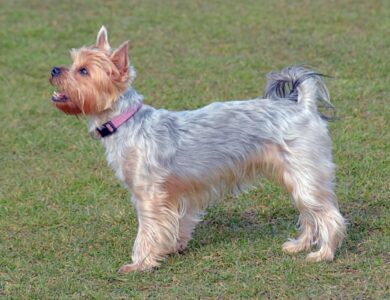
| Yorkshire Terrier | England (1870s) | ≤3.2 kg | Moderate | Low |
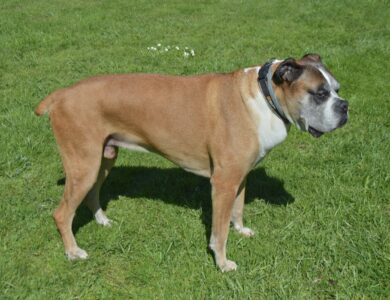
| Boxer | Germany (1895) | 30-32 kg | High | High |
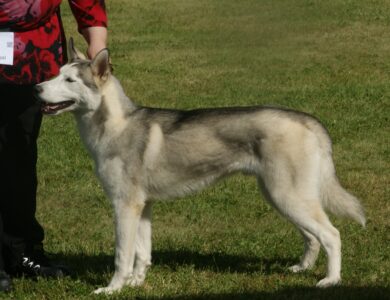
| Siberian Husky | Russia (Chukchi) | 20-27 kg | Very high | Low |
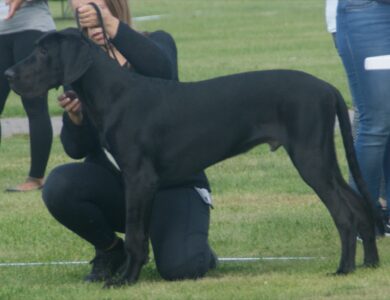
| Great Dane | Germany (1878) | 54+ kg | Moderate | Moderate |
Weight and origin data from published breed standards; energy/guarding levels are general working-breed characterizations, not clinical measurements. See the full breed index for filters by size and origin.
Nutrition and Exercise
The Beauceron is a high-energy working breed that needs daily physical activity and a sense of purpose — herding work, structured training, or demanding exercise. Because the breed has no documented breed-specific conditions, general large-breed nutrition guidance (portion control during growth, quality protein) applies without a known extra risk factor to plan around.
10 FAQs
Where does the Beauceron breed come from?
How big does a Beauceron get?
Does the Beauceron have health problems?
Is a Beauceron a good guard dog?
What was the Beauceron originally bred for?
How does a Beauceron compare to a Rottweiler?
Does a Beauceron need a lot of exercise?
Is the Beauceron good with children?
Is a Beauceron good for a first-time owner?
Is the Beauceron a rare breed?
Rottweiler: Complete Breed Guide to Temperament, Health, and Care
German Shepherd: Complete Breed Guide to Temperament, Health, and Care
AI Dog Breed Photo Identifier: Upload a Photo, Get an Instant AI Match
Dog Breed Guide Index: Every Breed We’ve Covered, Filterable by Origin, Size, and Age