Chihuahua: Complete Breed Guide to Temperament, Health, and Care

Chihuahua: Complete Breed Guide to Temperament, Health, and Care
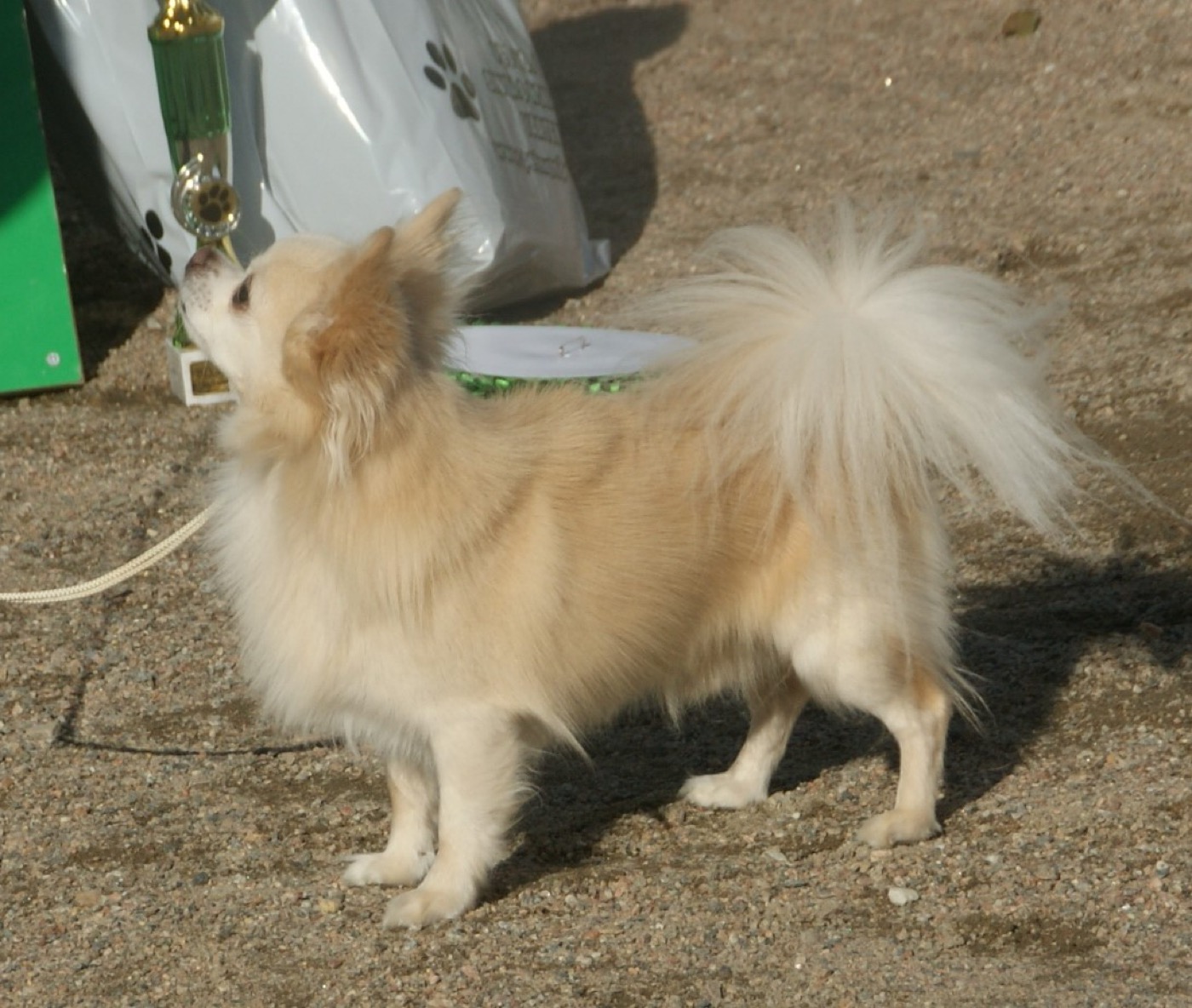
The Chihuahua takes its name from the Mexican state of Chihuahua, where colonial-era records describe small companion dogs as early as the 19th century. Genetic studies indicate the breed retains a small proportion of pre-Columbian indigenous American dog ancestry, making it one of the oldest breeds native to the Americas. The American Kennel Club first registered a Chihuahua in 1904.
Photo: Canarian / Wikimedia Commons, CC BY-SA 4.0
| Origin | Height | Weight | Lifespan | Energy Level |
|---|---|---|---|---|
| Mexico | 8-23 cm (some lines to 30-38 cm) | 1-3 kg (show standard max 2.7 kg) | ~11.8 years (varies widely by study) | High |
Executive Summary
The Chihuahua is alert, feisty, and fiercely loyal to its owner — the world’s smallest dog breed, but not a timid one. Research shows the breed may display above-average aggression toward strangers and other dogs, and the AKC does not recommend it for families with young children given the breed’s small, fragile size.
What Owning a Chihuahua Involves
| With training & care | Without it |
|---|---|
| Devoted, alert companion bonded closely to one person | Above-average aggression toward strangers or other dogs |
| Careful handling protects a genuinely fragile small body | Injury risk from falls or rough handling by children |
| Small, frequent meals manage a fast metabolism | Hypoglycemia from the breed’s fast metabolism |
| Routine dental and joint checks catch issues early | Undiagnosed patellar luxation or dental disease |
3 Real-World Scenarios
- A single owner wanting a devoted travel companion: picks the Chihuahua for its small size and close one-person bonding, common in the breed.
- A family with young children: researches the AKC’s own guidance against the breed for families with small kids, given its fragility and documented tendency toward defensive aggression.
- An owner researching the breed’s real history: learns Chihuahuas carry genetic traces of pre-Columbian indigenous American dogs, predating European contact with Mexico.
2 Chihuahua Facts
1. Genetic studies have found the Chihuahua carries a documented, measurable proportion of pre-Columbian indigenous American dog ancestry — a genetic link that survived centuries longer than almost any other companion breed in the Americas.
2. Despite its popular image as a purely decorative lapdog, colonial-era records suggest small dogs from the Chihuahua region were kept for both companionship and, in earlier pre-Columbian tradition, food — a documented but rarely discussed part of the breed’s history.
🐾 Try It: What Breed Does Your Dog’s Description Match?
Click through real physical traits and see how close your dog’s description comes to a Chihuahua or another breed.
🐾 What Breed Is My Dog? Click the traits you see
Try it instantly — no sign-up. Watch the match bar grow as you go.
For fun and general guidance only — not a substitute for a professional breed evaluation or DNA test. Photo credits shown above each result.
How the Chihuahua Compares to Other Breeds We’ve Covered
| Breed | Origin | Male Weight | Energy Level | Guarding Instinct |
|---|---|---|---|---|
| Rottweiler | Germany | 50-60 kg | High | Very high |
| Doberman Pinscher | Germany (1880s) | 40-45 kg | Very high | Very high |
| German Shepherd | Germany (1899) | 30-40 kg | Very high | High |
| Beauceron | France (1587) | 30-45 kg | High | High |
| Golden Retriever | Scotland (1868) | 29-34 kg | High | Low |
| Labrador Retriever | England (1903) | 29-36 kg | High | Low |
| French Bulldog | France (1898) | 9-14 kg | Moderate | Low |
| Poodle (Standard) | Germany/France | 20-32 kg | High | Low |
| Bulldog | England (1875) | ~25 kg | Low | Low |
| Beagle | England (1830s) | 10-11 kg | High | Low |
| Dachshund | Germany (1700s) | 7-15 kg | Moderate | Moderate |
| Yorkshire Terrier | England (1870s) | ≤3.2 kg | Moderate | Low |
| Boxer | Germany (1895) | 30-32 kg | High | High |
| Siberian Husky | Russia (Chukchi) | 20-27 kg | Very high | Low |
| Great Dane | Germany (1878) | 54+ kg | Moderate | Moderate |
| Chihuahua | Mexico | 1-3 kg | High | Low |
| Pug | China | 6-8 kg | Low | Low |
| Border Collie | UK (1893) | 14-25 kg | Very high | Low |
| Australian Shepherd | USA | 16-32 kg | Very high | Moderate |
| Shih Tzu | Tibet/China | 4-7.5 kg | Moderate | Low |
| Cocker Spaniel | England | 13-14.5 kg | High | Low |
| Cavalier King Charles Spaniel | UK (1944) | 5.4-8 kg | Moderate | Low |
| Miniature Schnauzer | Germany | 4-8 kg | Moderate | Moderate |
| Pomeranian | Germany/Poland | 1.4-3.2 kg | High | Low |
| Shetland Sheepdog | Scotland (1909) | ~9-11 kg | High | Moderate |
| Bernese Mountain Dog | Switzerland (1912) | 36-55 kg | Moderate | Moderate |
| Newfoundland | Canada | 65-80 kg | Moderate | Low |
| Akita | Japan (1931) | 27-59 kg | Moderate | High |
| Alaskan Malamute | USA (Alaska) | 34-39 kg | Very high | Low |
| Bull Terrier | England | Unstandardized | High | Moderate |
| Staffordshire Bull Terrier | UK (1935) | 13-17 kg | High | Moderate |
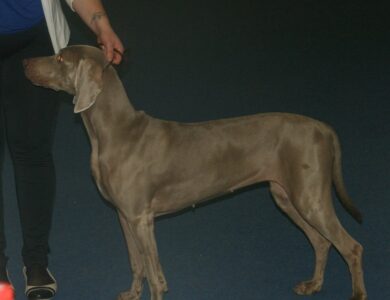
| Weimaraner | Germany (1891) | 30-40 kg | Very high | Moderate |
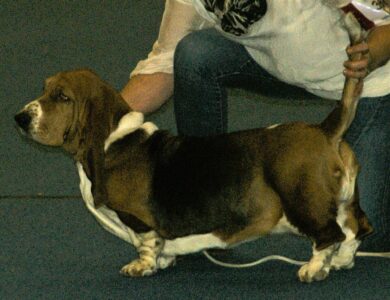
| Basset Hound | France | 25-34 kg | Low | Low |
| Bichon Frise | France/Belgium | ~5 kg | Moderate | Low |
| Maltese | Italy | 3-4 kg | Moderate | Low |
Weight and origin data from published breed standards; energy/guarding levels are general working-breed characterizations, not clinical measurements. See the full breed index for filters by size and origin.
Nutrition and Exercise
Chihuahuas do well on small, frequent meals rather than one or two large feedings, since the breed’s fast metabolism makes it prone to hypoglycemia, especially as puppies. Despite their tiny size, they carry real energy and benefit from short daily walks and play, not just indoor time.
10 FAQs
Where does the Chihuahua come from?
How big does a Chihuahua get?
Are Chihuahuas good with children?
What health problems are common in Chihuahuas?
Why do Chihuahuas need frequent small meals?
Are Chihuahuas aggressive?
How long do Chihuahuas live?
Do Chihuahuas need a lot of exercise?
Is a Chihuahua good for a first-time owner?
Are there different coat types in Chihuahuas?
🎥 5 Best YouTube Videos About the Chihuahua
These videos are embedded directly using YouTube’s own official embed player, in compliance with YouTube’s Terms of Service — we don’t host, own, or claim any credit for this footage. All rights remain with each video’s original creator; click a channel name below to visit their YouTube channel.
Chihuahua 101 – Everything you need to Know about this Breed — by Pets Central
Chihuahua Dog Breed Guide: Training Tips & Personality Traits — by Rover
The CHIHUAHUA Dog Breed (Origin, Characteristics, Character and Care) — by AnimalWised
Chihuahua | Dogs 101 — by Animal Planet
Chihuahua – AKC Dog Breed Series — by American Kennel Club
Dog Breed Guide Index: Every Breed We’ve Covered, Filterable by Origin, Size, and Age
Pomeranian: Complete Breed Guide to Temperament, Health, and Care
AI Dog Breed Photo Identifier: Upload a Photo, Get an Instant AI Match