
Why Does My Dog Have Bad Breath?
The Comprehensive Guide to Canine Bad Breath: Causes, Prevention, and Veterinary Care
If you’ve ever leaned down to give your beloved dog a gentle nuzzle only to recoil slightly from the scent coming from their mouth, that moment can be deeply upsetting. You might feel a rush of guilt or worry, wondering what it means and if this simply requires a quick brushing at home. While bad breath (or halitosis) is an extremely common occurrence in dogs, it should never be treated as a mundane annoyance. It is often the very first, silent warning sign that something underlying—from their gums to their internal organs—is not quite right.
The canine mouth is a complex biological ecosystem. When the balance of bacteria shifts, or when another health condition starts taking hold, that bad breath is often the physical manifestation of deeper systemic changes. Understanding why your dog’s breath smells foul can help you move beyond just brushing and toward solving the root cause, giving them the best chance at optimal comfort and long-term health. This guide will walk you through every potential source—dental, metabolic, or environmental—so you can confidently talk to your veterinarian.
Dental Disease: The Most Common Culprit
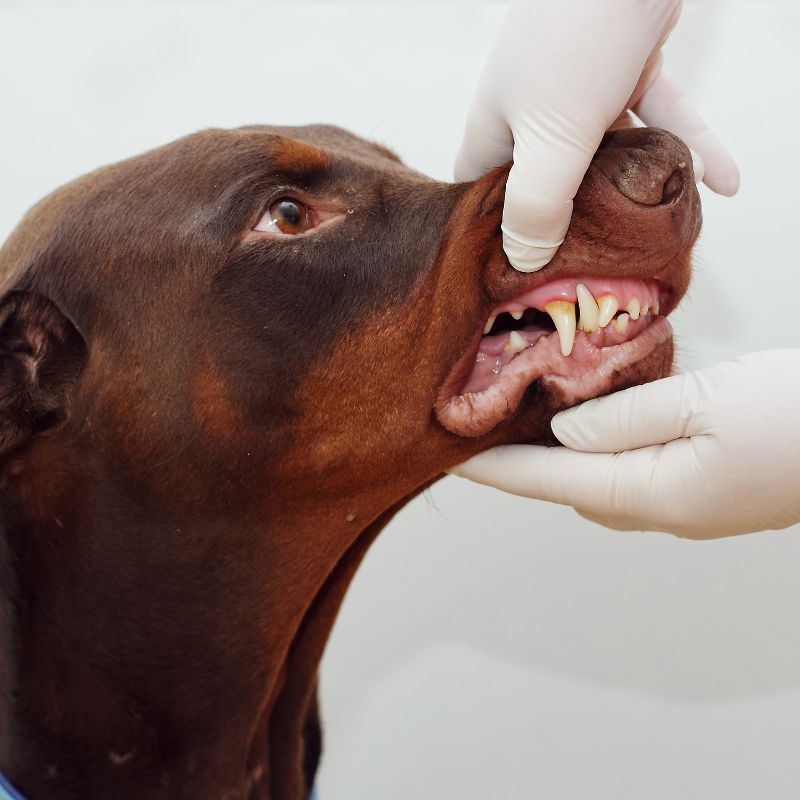
The most frequent cause of dog bad breath is periodontal disease, or simply dental plaque buildup. Think of the mouth as a bustling jungle where bacteria thrive on leftover food particles and plaque. When plaque hardens into tartar—mineral deposits that cannot be removed by brushing alone—it creates an ideal breeding ground for anaerobic bacteria. These bacteria break down proteins, releasing sulfur-containing compounds (like methanethiol and hydrogen sulfide) that give off the distinct “rotting” or foul odor.
Periodontal disease is progressive; it moves from simple plaque build-up to gingivitis (gum inflammation), and finally to the loss of supporting bone structures around the teeth. If tartar builds up high enough, it can cause painful infections in the root spaces, which further contributes to the foul smell. Regular professional dental cleanings under general anesthesia are necessary because they allow the vet to access and remove deposits from below the gumline—an area inaccessible during a simple office brushing.
Noticeable bleeding gums, very dark or yellow/black buildup on the teeth and gums, difficulty chewing food, or excessive bad breath that doesn’t improve with brushing.
</div >
Systemic & Metabolic Sources of Halitosis
Sometimes, the bad breath has nothing to do with plaque or gum disease at all. In these cases, the smell is actually a reflection of what is happening internally within your dog’s body. It’s crucial that you don’t jump immediately to dental solutions if the primary issue is metabolic.
Some conditions produce unique “signature” odors:
- Kidney Disease: The urine and blood often carry a strong, ammonia-like odor (uremic breath). This occurs when the kidneys struggle to filter waste products efficiently.
- Liver Issues: Certain liver problems can result in a sweet or maple syrup scent, due to elevated levels of compounds like trimethylaminuria.
- Diabetes: While classic diabetic ketoacidosis produces an acetone-like (fruity) smell, chronic changes can present differently and warrants testing.
While periodontal disease is common, persistent halitosis can sometimes be an indicator of deeper metabolic imbalances, requiring blood work and urinalysis to accurately diagnose the source.
</div >
Dietary and External Contributors
We often overlook how diet plays a role. A dog’s breath can smell bad simply because of what it consumed. Dietary changes, infections in the mouth, or even specific ingredients used can contribute to foul breath. Furthermore, certain foreign objects or irritants (like bits of grass or chew toys) that get trapped between teeth can harbor bacteria and contribute dramatically to the scent.
Very High
Medium
High
High
Medium
Prevention and Management Strategies
While preventing dental disease entirely is impossible, you can significantly slow its progression and keep the bad breath manageable through consistent care. Prevention centers on routine maintenance, proper diet, and timely veterinary intervention.
Beyond brushing, incorporate vet-approved dental chews and consider specialized probiotic supplements designed for canine oral health. Remember that these are *supportive* measures—they do not replace professional cleaning.
</div >
When to Call the Vet: Red Flags
It is essential that you understand the difference between “bad breath” and an actual medical emergency. If halitosis suddenly worsens, or if your dog displays other symptoms, do not hesitate to seek immediate veterinary advice.
If your dog has open, bleeding wounds in the mouth that won’t stop, if there is visible gagging or difficulty swallowing (dysphagia), or if the foul breath is accompanied by vomiting and signs of abdominal pain.
</div >
Real-World Scenarios
Understanding how these issues present in real life can help you better assess your dog’s specific situation:
- Scenario A: The Brushing Improvement: An owner noticed mild halitosis that persisted despite daily brushing for two weeks. After a comprehensive dental exam revealing moderate tartar accumulation on the molars, cleaning was performed, and breath odor significantly improved within days, pointing directly to plaque as the primary cause.
- Scenario B: The Metabolic Change: A routine wellness check revealed persistent bad breath accompanied by increased thirst, vomiting, and gummy gums. Subsequent bloodwork confirmed elevated glucose levels, leading the vet to diagnose uncontrolled diabetes mellitus as the source of the abnormal scent.
- Scenario C: The Foreign Object/Infection: A puppy presented with sudden, localized foul odors concentrated on one side of their mouth. Examination revealed a small piece of swallowed bone or debris wedged under the gumline alongside severe gingivitis, requiring careful manual removal and deep scaling to resolve.
While dental plaque is the most common cause of bad breath, always treat persistent halitosis as a sign that requires professional veterinary investigation to rule out serious underlying systemic diseases.
</div >
Related Topics for Further Reading
To help you manage your pet’s overall health, consider these related topics:
- How to Choose Flea and Tick Prevention for Your Pet
- How to Introduce a New Puppy to Your Household
- Signs of Colic in Horses — A Life-Threatening Emergency
- When Should You Spay or Neuter Your Cat?
- How to Create a Safe Environment for Pet Birds
- How Often Should Cats Visit the Vet?
What is the difference between plaque and tartar?
Plaque is a soft, sticky film of bacteria that forms on teeth immediately after eating. If it isn’t removed by brushing or flossing, minerals in your saliva will cause the plaque to harden into calculus (tartar), which is yellow or brown and cannot be removed at home.
How often should I brush my dog’s teeth?
Ideally, you should aim to brush your dog’s teeth daily using veterinary toothpaste and soft-bristled brushes. If daily brushing is difficult or stressful for both of you, consult your vet about effective chew toys or medicated mouth washes as an interim measure.
Is bad breath always a dental issue?
No. While dental issues are the most common cause, persistent and severe halitosis can be linked to major systemic diseases affecting the kidneys (ammonia smell), liver (sweet/musty odor), or endocrine system.
What are oral bacteria (anaerobes)?
Anaerobic bacteria are types of bacteria that thrive in low-oxygen environments, such as deep pockets formed by tartar buildup under the gumline. These specific bacteria metabolize proteins and release noxious gases responsible for the foul smell.
Will bad breath get better on its own?
If the cause is merely minor dietary residue, yes. However, if the underlying issue is advanced periodontal disease or a metabolic illness (like kidney failure), the foul smell will persist and worsen without professional diagnosis and treatment.
Do dogs need anesthetic for a full clean?
Yes. Many professional dental cleanings require general anesthesia because the vet needs to scrape tartar from areas deep beneath the gumline, which is impossible to reach safely without it.
Dealing with your dog’s bad breath can feel frustrating, but remember that this symptom is a vital clue. Make the proactive step of scheduling a comprehensive dental exam and blood panel with your veterinarian to pinpoint if the odor is caused by buildup, diet, or a deeper medical concern.
Keywords: canine halitosis, dog bad breath causes, dental plaque, periodontal disease prevention, vet care for smelly breath, pet oral hygiene, uremic breath, systemic canine odors, teeth cleaning for dogs, pet health guide