
Understanding Microchipping: Why It Matters

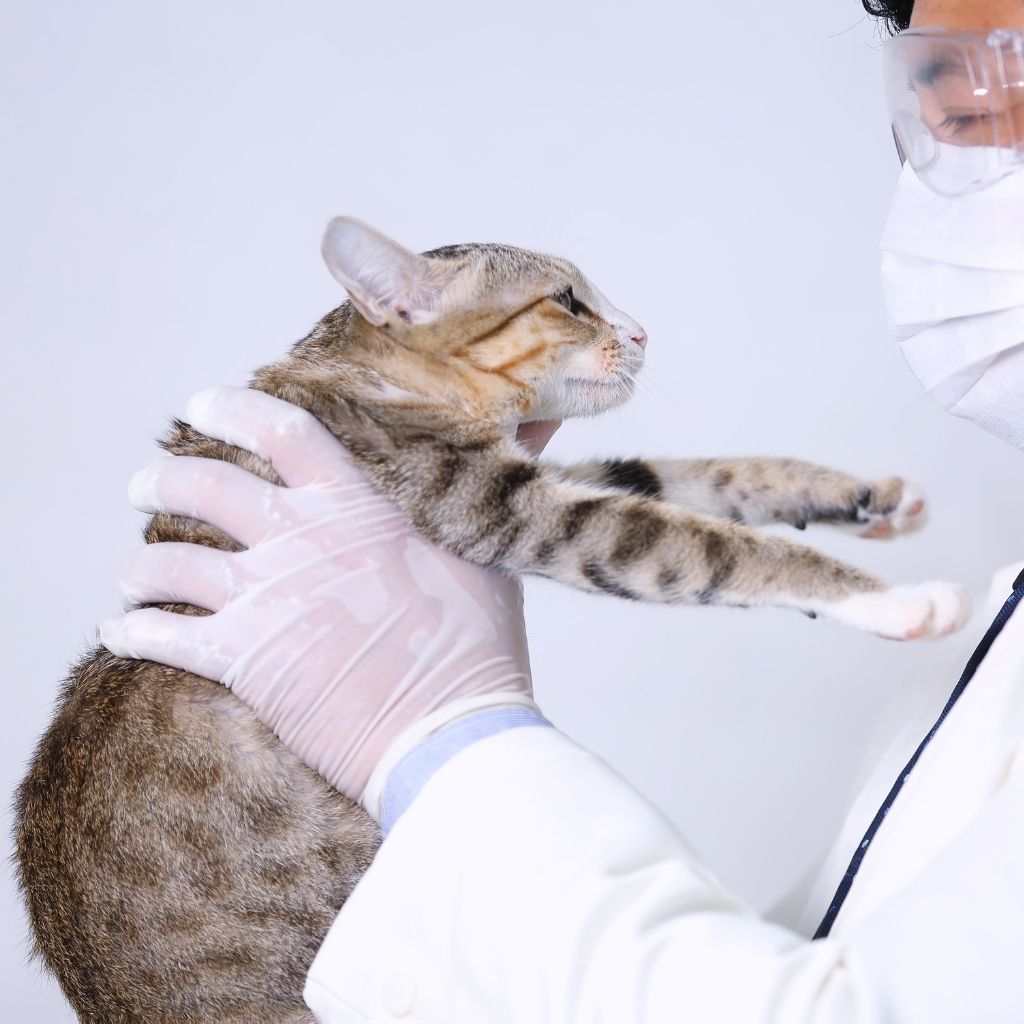
Understanding Microchipping: Why It Matters
Understanding Microchipping: The Essential Guide to Pet Identification and Safety
When a beloved pet disappears, the world seems to halt. You are navigating hours of crushing worry—of searching local parks, calling friends, and feeling that cold dread that whispers whether they will be found. In those desperate moments, the thought process races: *Did I bring them enough proof? Is there any way to quickly identify them if they wander off?* It is a primal fear, one shared by every pet owner who has ever worried about separation or theft.
It’s natural to feel overwhelmed by preventative measures, but reliable identification methods are one of the most crucial tools in a pet owner’s arsenal. Microchipping has become standard practice in responsible pet ownership globally, and understanding how this tiny implant works can provide profound peace of mind. This isn’t just about tracking an animal; it’s about providing a permanent electronic lifeline that connects your cherished companion to their family when they need it most.
What Exactly Is a Microchip and How Does It Work?
Simply put, a microchip is a passive integrated circuit (PIC) containing unique identifying data for your pet. It is not like a GPS tracker that sends real-time location updates; instead, it holds a unique serial number—like a permanent digital fingerprint—that can be read by specialized veterinary scanners. The process involves surgically implanting the chip under the skin, usually near the shoulder or in the neck area. This procedure is quick and minimally invasive.
Most microchips operate using RFID (Radio Frequency Identification) technology. They do not require batteries because they are passive, meaning the scanner itself provides the initial energy signal needed to wake up and read the data from the chip.
When a pet is found by someone who suspects it may belong to an owner, the veterinarian simply runs the reader over the area. The machine reads the serial number displayed on the chip, which then allows the vet to access your registered contact information through a centralized database—provided you have updated those details.
The Immediate Danger of Loss: Why Chips Are Crucial
While most pets are friendly and easily found, separation happens. Whether it’s due to extreme fear, navigating unfamiliar territory, or accidental loss, the clock starts ticking when your pet is separated from you. The physical proof that the chip provides is often the single fastest way for a rescue worker or compassionate stranger to begin the process of reunification.
If your pet is found, but does not recognize familiar sounds or objects (signs of acute distress or disorientation), they may be too fearful to allow examination. If they show signs of severe injury and are unresponsive, immediate veterinary assessment is critical.
Beyond Identification: The Science of Chip Reliability
The reliability of microchips rests on standardized international protocols, ensuring that a chip placed in North America can be read by equipment used in Europe or Asia. This standardization makes them truly global tools. Furthermore, the data stored is highly secure and links to professional databases maintained by vet associations and pet registries.
Keep your contact information updated with the microchip registry. Even if you change vets or move, ensure that your current phone numbers and emergency contacts are registered to the chip’s serial number. The chip is only useful if the database it points to is current.
Unlike collars and tags, which can be removed, lost, or ignored by a curious stranger, the microchip is permanent, invisible, and universally detectable by proper equipment. It serves as a fundamental layer of pet security that complements other safety measures like ID tags.
Real-World Scenarios for Chip Detection
The necessity of chips becomes starkly clear when thinking about common found-pet scenarios:
- Scenario 1 (Wilderness Encounter): A hiking trail accident causes a dog to wander several miles off the marked path. Because time and resources are focused on locating the area, finding the chip signal allows authorities to pinpoint the pet’s identity even if physical signs of life were difficult to spot initially.
- Scenario 2 (Multi-Pet Household): A family owns several pets, and one escapes into a large neighborhood complex. If local shelters find the escaped animal, the microchip immediately provides owner data without having to rely on recognizing unique markings or identifying behavioral patterns from afar.
- Scenario 3 (Veterinary Triage): During an outbreak of illness in a rescue shelter setting, several stray animals arrive simultaneously. The chip allows the veterinary staff to quickly establish ownership records and prevent mix-ups between multiple potential owners during critical initial assessment.
Very High
Medium
High
Medium-High
The Crucial Element: Registry and Documentation
A chip itself is inert data until it links to a person. Therefore, the most vital part of microchipping isn’t the implant, but the registration process. This requires you, the owner, to take proactive steps after implantation. You must register the chip’s unique ID number with established pet databases and ensure all emergency contact information is accurate.
Microchipping provides a life-saving layer of identification, but its effectiveness relies entirely on the owner taking the time to properly register the unique chip ID number with current and accessible contact information.
Real-World Scenarios
If you are debating whether or not to get chipped, consider these general composite examples of scenarios:
A dog escapes during a family outing and is subsequently found by animal control days later in an unfamiliar county. The chip reading provides the necessary details that allow authorities to initiate the return process immediately, circumventing weeks of costly tracing efforts.
During a sudden storm, several neighborhood cats wander into a rural area and are captured by volunteers working for a local humane society. The microchip acts as the immediate identifier, allowing these animals to be returned quickly to their primary residence before they become too integrated into the surrounding wildlife.
A multi-pet household experiences a stressful move across state lines. While collars and tags risk separation during the frantic process of relocation, the chip ensures that even if one pet is left behind temporarily, its unique ID remains traceable back to the owner’s primary account.
Related Topics for Comprehensive Care
Proper identification is just one part of keeping your companion safe. Here are some other topics that might enhance your knowledge and care routine:
- Building a Pet First Aid Kit at Home: Learn what supplies are essential for managing minor injuries before reaching the clinic.
- Guide to All 11 Veterinary Clinics in Caucaia CE | Discover Them Today!: Use this directory resource for finding local professional care quickly.
- Why Is My Dog Panting So Much? When to Worry: Understanding normal versus abnormal respiration is key for spotting distress early.
- Understanding Antifreeze Poisoning in Pets — A Hidden Danger: Recognizing the subtle signs of toxic ingestion requires constant vigilance and education.
- Why Does My Dog Drag Its Bottom on the Floor?: This behavior can be a sign of discomfort, injury, or underlying spine issues needing veterinary diagnosis.
- Understanding Laminitis in Horses: For equine owners, understanding foot and leg care is paramount to prevention.
Frequently Asked Questions about Microchipping
Do microchips hurt to implant?
For most pets, the procedure is described as quick and minimally uncomfortable. Veterinarians use local anesthetic, making the experience virtually painless. Recovery involves monitoring and standard wound care.
Can I get a chip if my pet is very sick or elderly?
Yes, provided the pet is stable enough for the minor surgical procedure. Always consult your primary veterinarian to discuss the best timing relative to their overall health status.
Is a microchip mandatory by law?
It varies significantly by state and country. While some jurisdictions mandate it, many veterinary experts strongly recommend it as an essential component of comprehensive pet safety planning, regardless of local laws.
Do microchips fail over time?
No, the chip itself is designed to be permanent and inert. However, the information stored in the *registration database* must be periodically updated by you, the owner, to remain accurate.
What if the chip cannot be found or read?
If the microchip is damaged, ingested (rarely), or simply not accessible to a scanner, rescue efforts must rely on secondary methods like visible ID tags, breed recognition, and behavioral signs.
Are microchips visible to the naked eye?
No, they are entirely subcutaneous and invisible. This is one of their major advantages over external tags or collars, ensuring they remain available even if physically removed by an animal.
Ultimately, microchipping is a proactive investment in your pet’s safety net. Beyond the chip itself, remember to maintain secure fencing, teach positive recall commands, and always keep ID tags visible until professional identification can be confirmed. These combined efforts maximize the chances of reunion.
Keywords: microchip implant, pet identification, animal lost found, canine tracking, pet security, veterinary microchip, emergency pet care, responsible pet ownership, dog chip, cat chip, unique pet ID, vet registration, pet safety guide