Border Collie: Complete Breed Guide to Temperament, Health, and Care

Border Collie: Complete Breed Guide to Temperament, Health, and Care
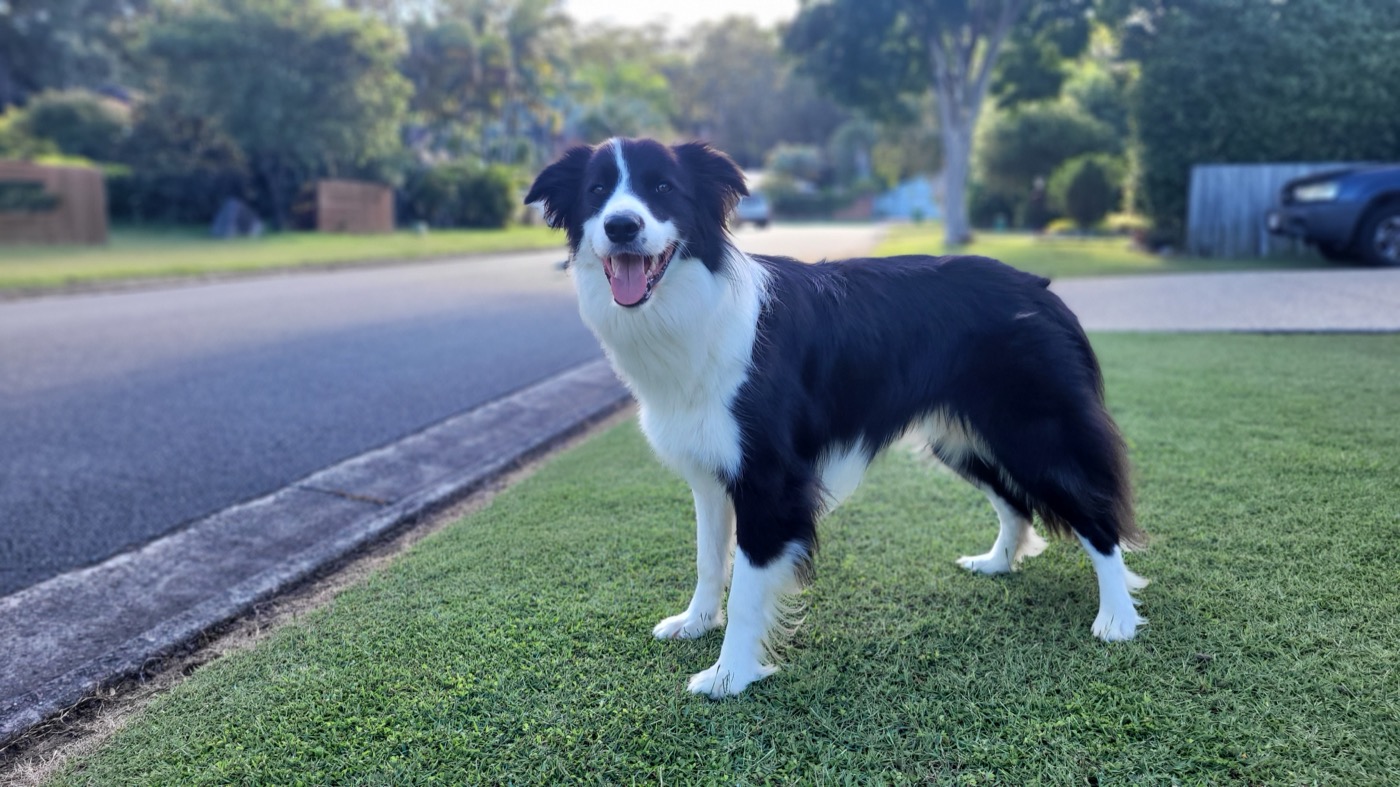
The Border Collie descends from landrace herding collies found throughout the British Isles, developed along the Anglo-Scottish border. A dog named Old Hemp, born in 1893, is considered foundational to the modern breed, and in 1915 James Reid of the International Sheep Dog Society first used the term “Border Collie” to distinguish working dogs from show collies.
Photo: Janesalway / Wikimedia Commons, CC BY-SA 4.0
| Origin | Height | Weight | Lifespan | Energy Level |
|---|---|---|---|---|
| United Kingdom (Anglo-Scottish border) | Males 48-60 cm · Females 46-56 cm | Males 14-25 kg · Females 12-19 kg | ~13.1 years | Very High |
Executive Summary
The Border Collie is widely regarded as the most intelligent dog breed — highly trainable, intensely responsive to direction, and bred specifically for the demanding, split-second decision-making required to herd sheep. It needs a real job or serious daily mental and physical work to stay balanced.
What Owning a Border Collie Involves
| With training & care | Without it |
|---|---|
| Exceptionally trainable working or sport-dog partner | Destructive or obsessive behavior from unmet mental needs |
| Strong herding instinct channeled into productive work | Herding/chasing behavior directed at children, cars, or other pets |
| Routine eye screening catches collie eye anomaly early | Undiagnosed vision loss from collie eye anomaly |
| Awareness of Border Collie Collapse in high-intensity exercise | Exercise-induced collapse episodes going unrecognized |
3 Real-World Scenarios
- A handler training for dog sports like agility or flyball: picks the Border Collie specifically for its documented ranking as the most trainable and intelligent breed studied.
- A family without livestock or serious daily activity plans: researches the breed’s very high energy needs first, since an under-stimulated Border Collie is prone to destructive or obsessive behavior.
- A working sheep farmer: relies on the same herding instinct and responsiveness to whistle/voice commands that Old Hemp’s descendants were bred for since the 1890s.
2 Border Collie Facts
1. A single dog, Old Hemp, born in 1893, is considered so foundational to the modern Border Collie that most of the breed’s working lines trace back to him — an unusually well-documented single-sire origin for a working breed.
2. “Border Collie Collapse” is a specific, documented exercise-induced condition in the breed, causing episodes of collapse during intense activity — a real, named condition distinct from general overexertion in other breeds.
🐾 Try It: What Breed Does Your Dog’s Description Match?
Click through real physical traits and see how close your dog’s description comes to a Border Collie or another breed.
🐾 What Breed Is My Dog? Click the traits you see
Try it instantly — no sign-up. Watch the match bar grow as you go.
For fun and general guidance only — not a substitute for a professional breed evaluation or DNA test. Photo credits shown above each result.
How the Border Collie Compares to Other Breeds We’ve Covered
| Breed | Origin | Male Weight | Energy Level | Guarding Instinct |
|---|---|---|---|---|
| Rottweiler | Germany | 50-60 kg | High | Very high |
| Doberman Pinscher | Germany (1880s) | 40-45 kg | Very high | Very high |
| German Shepherd | Germany (1899) | 30-40 kg | Very high | High |
| Beauceron | France (1587) | 30-45 kg | High | High |
| Golden Retriever | Scotland (1868) | 29-34 kg | High | Low |
| Labrador Retriever | England (1903) | 29-36 kg | High | Low |
| French Bulldog | France (1898) | 9-14 kg | Moderate | Low |
| Poodle (Standard) | Germany/France | 20-32 kg | High | Low |
| Bulldog | England (1875) | ~25 kg | Low | Low |
| Beagle | England (1830s) | 10-11 kg | High | Low |
| Dachshund | Germany (1700s) | 7-15 kg | Moderate | Moderate |
| Yorkshire Terrier | England (1870s) | ≤3.2 kg | Moderate | Low |
| Boxer | Germany (1895) | 30-32 kg | High | High |
| Siberian Husky | Russia (Chukchi) | 20-27 kg | Very high | Low |
| Great Dane | Germany (1878) | 54+ kg | Moderate | Moderate |
| Chihuahua | Mexico | 1-3 kg | High | Low |
| Pug | China | 6-8 kg | Low | Low |
| Border Collie | UK (1893) | 14-25 kg | Very high | Low |
| Australian Shepherd | USA | 16-32 kg | Very high | Moderate |
| Shih Tzu | Tibet/China | 4-7.5 kg | Moderate | Low |
| Cocker Spaniel | England | 13-14.5 kg | High | Low |
| Cavalier King Charles Spaniel | UK (1944) | 5.4-8 kg | Moderate | Low |
| Miniature Schnauzer | Germany | 4-8 kg | Moderate | Moderate |
| Pomeranian | Germany/Poland | 1.4-3.2 kg | High | Low |
| Shetland Sheepdog | Scotland (1909) | ~9-11 kg | High | Moderate |
| Bernese Mountain Dog | Switzerland (1912) | 36-55 kg | Moderate | Moderate |
| Newfoundland | Canada | 65-80 kg | Moderate | Low |
| Akita | Japan (1931) | 27-59 kg | Moderate | High |
| Alaskan Malamute | USA (Alaska) | 34-39 kg | Very high | Low |
| Bull Terrier | England | Unstandardized | High | Moderate |
| Staffordshire Bull Terrier | UK (1935) | 13-17 kg | High | Moderate |
| Weimaraner | Germany (1891) | 30-40 kg | Very high | Moderate |
| Basset Hound | France | 25-34 kg | Low | Low |
| Bichon Frise | France/Belgium | ~5 kg | Moderate | Low |
| Maltese | Italy | 3-4 kg | Moderate | Low |
Weight and origin data from published breed standards; energy/guarding levels are general working-breed characterizations, not clinical measurements. See the full breed index for filters by size and origin.
Nutrition and Exercise
Border Collies need substantial daily physical AND mental exercise — herding work, agility, or structured training — to stay balanced; without it, the breed’s famous intelligence tends to turn toward destructive or obsessive behaviors. Owners aware of Border Collie Collapse should moderate high-intensity exercise sessions and watch for warning signs.
10 FAQs
Where does the Border Collie come from?
How big does a Border Collie get?
Is the Border Collie really the smartest dog breed?
What was the Border Collie originally bred for?
What health problems are common in Border Collies?
What is Border Collie Collapse?
Do Border Collies need a job to be happy?
Are Border Collies good family dogs?
Is a Border Collie good for a first-time owner?
Who was Old Hemp?
🎥 5 Best YouTube Videos About the Border Collie
These videos are embedded directly using YouTube’s own official embed player, in compliance with YouTube’s Terms of Service — we don’t host, own, or claim any credit for this footage. All rights remain with each video’s original creator; click a channel name below to visit their YouTube channel.
Border Collies 101: Everything You NEED to Know About Border Collies! — by K9 of Mine
Border Collie Dog Breed 101 — by Dog Nerd Show
Border Collie 101, About the Breed — by Seanthesheepman
Border Collie 101 – Everything You Need to Know About this Breed — by Pets Central
Dogs 101 – BORDER COLLIE – Top Dog Facts About the Border Collie — by Brooklyns Corner
Dog Breed Guide Index: Every Breed We’ve Covered, Filterable by Origin, Size, and Age
Australian Shepherd: Complete Breed Guide to Temperament, Health, and Care
AI Dog Breed Photo Identifier: Upload a Photo, Get an Instant AI Match