Alaskan Malamute: Complete Breed Guide to Temperament, Health, and Care

Alaskan Malamute: Complete Breed Guide to Temperament, Health, and Care
The Alaskan Malamute was developed by the Malimiut Inupiaq people of Alaska’s Norton Sound region, bred for the strength and endurance needed to haul heavy freight across arctic terrain. Formal breed recognition came in 1935, led by breeder Eva B. Seeley, who helped establish the modern standard.
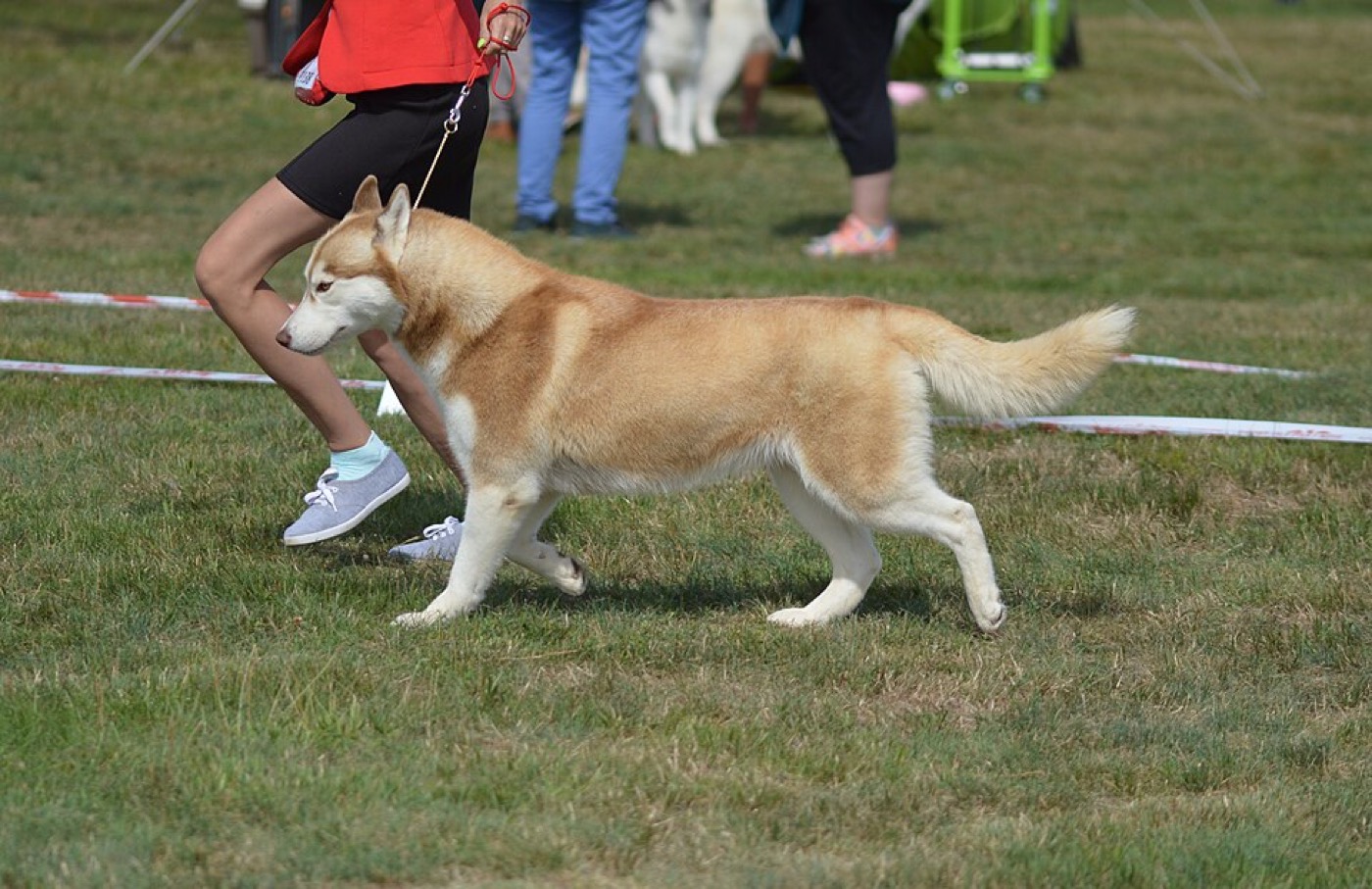
Photo: Wojciech Pędzich / Wikimedia Commons, CC BY-SA 4.0
| Origin | Height | Weight | Lifespan | Energy Level |
|---|---|---|---|---|
| United States (Alaska) | 58-64 cm | 34-39 kg (heavier individuals common) | ~11.3 years | Very High |
Executive Summary
The Alaskan Malamute is a powerful, dependable working breed prioritizing strength and endurance over speed, developed by the Malimiut Inupiaq people specifically for heavy freight hauling across arctic terrain. It needs serious daily physical work and space to thrive.
What Owning a Alaskan Malamute Involves
| With training & care | Without it |
|---|---|
| Powerful, dependable working partner suited to cold climates | Destructive digging or escape attempts without enough exercise |
| Routine hip/elbow screening catches dysplasia early | Undiagnosed hip or elbow dysplasia limiting mobility |
| Diabetes awareness in middle-aged dogs enables early care | Undiagnosed canine diabetes, typically onset at ages 5-7 |
| Zinc supplementation when indicated by a vet | Untreated zinc deficiency, a documented breed-specific risk |
3 Real-World Scenarios
- A musher or heavy-freight sled operator: relies on the Alaskan Malamute’s documented strength-over-speed working design, developed specifically by the Malimiut Inupiaq people for hauling heavy loads.
- An owner managing a middle-aged Malamute’s health: watches for signs of canine diabetes, documented to typically onset between ages 5 and 7 in the breed.
- A family without serious daily exercise capacity: researches the breed’s very high energy needs first, since an under-exercised Malamute is prone to destructive digging and escape attempts.
2 Alaskan Malamute Facts
1. The Alaskan Malamute is named for the Malimiut Inupiaq people of Alaska’s Norton Sound region, who developed the breed specifically for its combination of strength and endurance — prioritizing power over speed, unlike lighter racing sled breeds.
2. The breed shows a documented predisposition to zinc deficiency, a relatively unusual nutritional condition that can require veterinary supplementation — not a common concern in most other breeds.
🐾 Try It: What Breed Does Your Dog’s Description Match?
Click through real physical traits and see how close your dog’s description comes to a Alaskan Malamute or another breed.
🐾 What Breed Is My Dog? Click the traits you see
Try it instantly — no sign-up. Watch the match bar grow as you go.
For fun and general guidance only — not a substitute for a professional breed evaluation or DNA test. Photo credits shown above each result.
How the Alaskan Malamute Compares to Other Breeds We’ve Covered
| Breed | Origin | Male Weight | Energy Level | Guarding Instinct |
|---|---|---|---|---|
| Rottweiler | Germany | 50-60 kg | High | Very high |
| Doberman Pinscher | Germany (1880s) | 40-45 kg | Very high | Very high |
| German Shepherd | Germany (1899) | 30-40 kg | Very high | High |
| Beauceron | France (1587) | 30-45 kg | High | High |
| Golden Retriever | Scotland (1868) | 29-34 kg | High | Low |
| Labrador Retriever | England (1903) | 29-36 kg | High | Low |
| French Bulldog | France (1898) | 9-14 kg | Moderate | Low |
| Poodle (Standard) | Germany/France | 20-32 kg | High | Low |
| Bulldog | England (1875) | ~25 kg | Low | Low |
| Beagle | England (1830s) | 10-11 kg | High | Low |
| Dachshund | Germany (1700s) | 7-15 kg | Moderate | Moderate |
| Yorkshire Terrier | England (1870s) | ≤3.2 kg | Moderate | Low |
| Boxer | Germany (1895) | 30-32 kg | High | High |
| Siberian Husky | Russia (Chukchi) | 20-27 kg | Very high | Low |
| Great Dane | Germany (1878) | 54+ kg | Moderate | Moderate |
| Chihuahua | Mexico | 1-3 kg | High | Low |
| Pug | China | 6-8 kg | Low | Low |
| Border Collie | UK (1893) | 14-25 kg | Very high | Low |
| Australian Shepherd | USA | 16-32 kg | Very high | Moderate |
| Shih Tzu | Tibet/China | 4-7.5 kg | Moderate | Low |
| Cocker Spaniel | England | 13-14.5 kg | High | Low |
| Cavalier King Charles Spaniel | UK (1944) | 5.4-8 kg | Moderate | Low |
| Miniature Schnauzer | Germany | 4-8 kg | Moderate | Moderate |
| Pomeranian | Germany/Poland | 1.4-3.2 kg | High | Low |
| Shetland Sheepdog | Scotland (1909) | ~9-11 kg | High | Moderate |
| Bernese Mountain Dog | Switzerland (1912) | 36-55 kg | Moderate | Moderate |
| Newfoundland | Canada | 65-80 kg | Moderate | Low |
| Akita | Japan (1931) | 27-59 kg | Moderate | High |
| Alaskan Malamute | USA (Alaska) | 34-39 kg | Very high | Low |
| Bull Terrier | England | Unstandardized | High | Moderate |
| Staffordshire Bull Terrier | UK (1935) | 13-17 kg | High | Moderate |
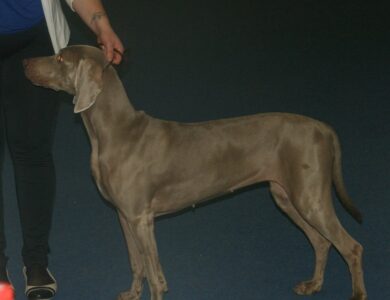
| Weimaraner | Germany (1891) | 30-40 kg | Very high | Moderate |
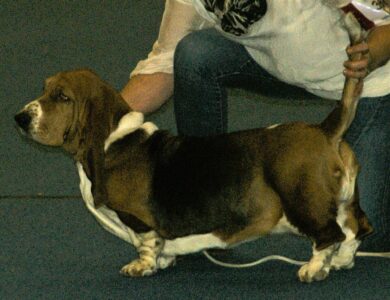
| Basset Hound | France | 25-34 kg | Low | Low |
| Bichon Frise | France/Belgium | ~5 kg | Moderate | Low |
| Maltese | Italy | 3-4 kg | Moderate | Low |
Weight and origin data from published breed standards; energy/guarding levels are general working-breed characterizations, not clinical measurements. See the full breed index for filters by size and origin.
Nutrition and Exercise
Alaskan Malamutes need substantial daily exercise to match their heavy-freight working heritage — without it, the powerful breed is prone to destructive behavior. Given documented risks of zinc deficiency and diabetes onset in middle age, working with a vet on diet specifics is worthwhile as the dog matures.
10 FAQs
Where does the Alaskan Malamute come from?
How big does an Alaskan Malamute get?
What was the Alaskan Malamute originally bred for?
How does the Malamute differ from the Siberian Husky?
What health problems are common in Alaskan Malamutes?
Do Alaskan Malamutes need a lot of exercise?
When was the Alaskan Malamute formally recognized?
Is zinc deficiency common in Malamutes?
Are Alaskan Malamutes good family dogs?
Is an Alaskan Malamute good for a first-time owner?
🎥 5 Best YouTube Videos About the Alaskan Malamute
These videos are embedded directly using YouTube’s own official embed player, in compliance with YouTube’s Terms of Service — we don’t host, own, or claim any credit for this footage. All rights remain with each video’s original creator; click a channel name below to visit their YouTube channel.
Dogs 101 – Alaskan Malamute — by Documentary Addict
Alaskan Malamute – Dog Breed Information — by Dog World
Dogs 101 – Alaskan Malamute — by DivineDanes
Alaskan Malamute 101 – Pros and Cons of Owning — by Dogs Now
All About Alaskan Malamutes: The Heavy Duty Sled Dog — by Dogumentary TV
Dog Breed Guide Index: Every Breed We’ve Covered, Filterable by Origin, Size, and Age
Siberian Husky: Complete Breed Guide to Temperament, Health, and Care
AI Dog Breed Photo Identifier: Upload a Photo, Get an Instant AI Match