Bernese Mountain Dog: Complete Breed Guide to Temperament, Health, and Care

Bernese Mountain Dog: Complete Breed Guide to Temperament, Health, and Care
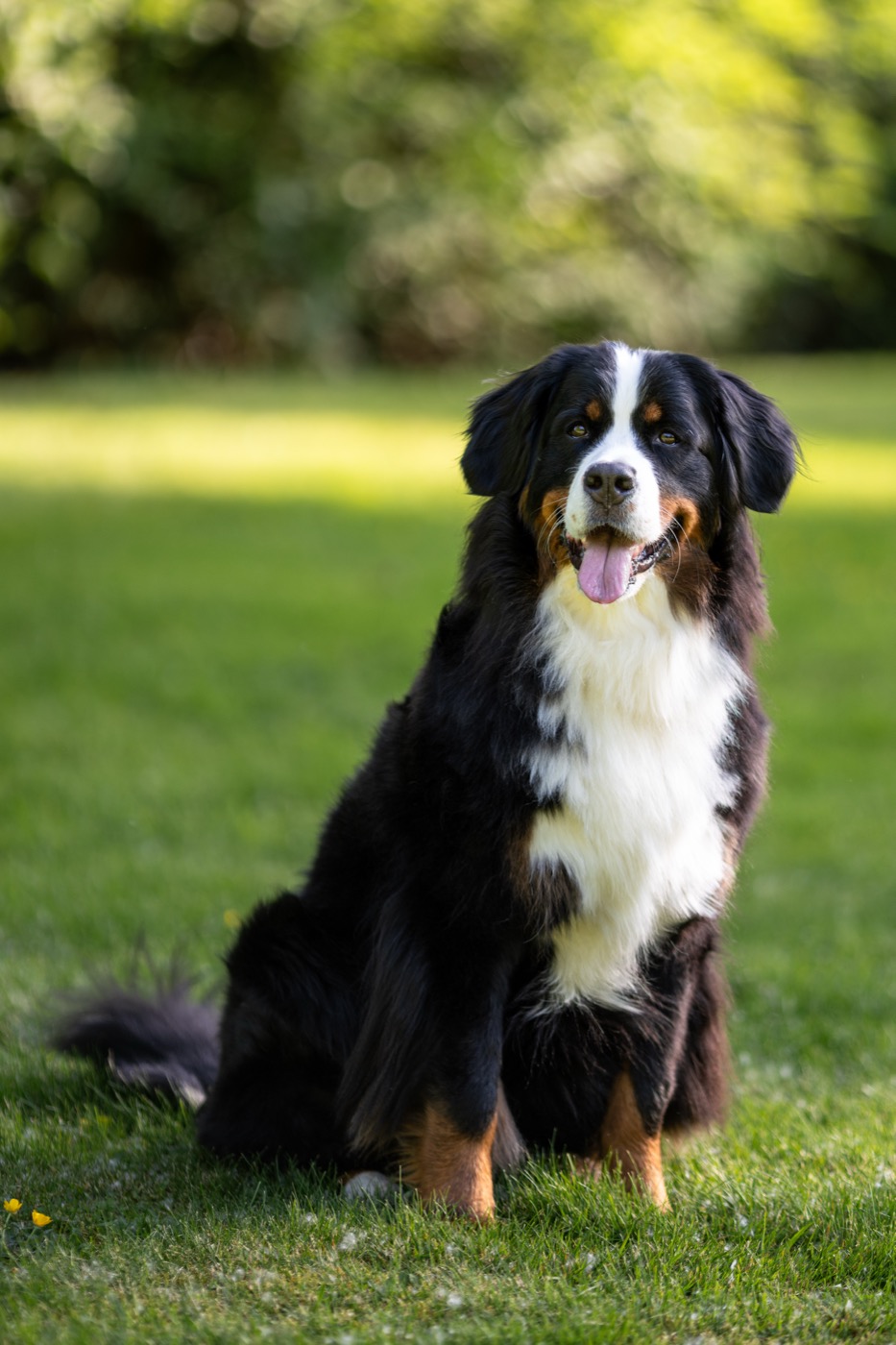
The Bernese Mountain Dog originates from the canton of Bern in the Swiss Alps, where breeders in the Burgdorf region established the first breed club, the Schweizerischer Dürrbach-Klub, in 1907, with formal recognition following in 1912. Historically nicknamed “Cheese Dogs,” they pulled carts of milk and cheese for Swiss dairy farmers.
Photo: FriendlyToaster / Wikimedia Commons, CC BY 4.0
| Origin | Height | Weight | Lifespan | Energy Level |
|---|---|---|---|---|
| Switzerland | Males 64-70 cm · Females 58-66 cm | Males 36-55 kg · Females 34-45 kg | ~8-10.1 years | Moderate to High |
Executive Summary
The Bernese Mountain Dog is calm and steady in temperament, historically bred as a general farm dog for guarding property, driving dairy cattle, and pulling carts. It forms strong single-person attachments and carries a suspicious streak toward strangers, alongside serious, well-documented health risks for a large breed.
What Owning a Bernese Mountain Dog Involves
| With training & care | Without it |
|---|---|
| Calm, versatile farm-dog temperament suited to active life | Suspicion of strangers without early socialization |
| Routine cancer screening given the breed’s documented risk | Cancer, responsible for 55% of deaths in the breed |
| Elbow screening in breeding lines catches dysplasia early | Undiagnosed elbow dysplasia, documented up to 26% |
| Kidney function monitoring given elevated documented risk | Undiagnosed kidney disease, at 3.2x the average incidence |
3 Real-World Scenarios
- A family on a working farm or large property: picks the Bernese Mountain Dog for its documented history as a versatile guarding and cart-pulling farm dog.
- An owner researching the breed’s biggest health risk: learns cancer accounts for 55% of deaths in the breed, among the highest cancer mortality rates documented in any breed, and prioritizes proactive screening.
- A breeder screening for joint health: tests for elbow dysplasia, documented at up to 26% prevalence, before breeding.
2 Bernese Mountain Dog Facts
1. The Bernese Mountain Dog earned the nickname “Cheese Dogs” for a very literal historical reason: Swiss dairy farmers used the breed to pull carts loaded with milk and cheese to market.
2. Cancer accounts for a documented 55% of all deaths in the breed — one of the highest cancer mortality rates recorded for any dog breed, making it the single most important health consideration for prospective owners.
🐾 Try It: What Breed Does Your Dog’s Description Match?
Click through real physical traits and see how close your dog’s description comes to a Bernese Mountain Dog or another breed.
🐾 What Breed Is My Dog? Click the traits you see
Try it instantly — no sign-up. Watch the match bar grow as you go.
For fun and general guidance only — not a substitute for a professional breed evaluation or DNA test. Photo credits shown above each result.
How the Bernese Mountain Dog Compares to Other Breeds We’ve Covered
| Breed | Origin | Male Weight | Energy Level | Guarding Instinct |
|---|---|---|---|---|
| Rottweiler | Germany | 50-60 kg | High | Very high |
| Doberman Pinscher | Germany (1880s) | 40-45 kg | Very high | Very high |
| German Shepherd | Germany (1899) | 30-40 kg | Very high | High |
| Beauceron | France (1587) | 30-45 kg | High | High |
| Golden Retriever | Scotland (1868) | 29-34 kg | High | Low |
| Labrador Retriever | England (1903) | 29-36 kg | High | Low |
| French Bulldog | France (1898) | 9-14 kg | Moderate | Low |
| Poodle (Standard) | Germany/France | 20-32 kg | High | Low |
| Bulldog | England (1875) | ~25 kg | Low | Low |
| Beagle | England (1830s) | 10-11 kg | High | Low |
| Dachshund | Germany (1700s) | 7-15 kg | Moderate | Moderate |
| Yorkshire Terrier | England (1870s) | ≤3.2 kg | Moderate | Low |
| Boxer | Germany (1895) | 30-32 kg | High | High |
| Siberian Husky | Russia (Chukchi) | 20-27 kg | Very high | Low |
| Great Dane | Germany (1878) | 54+ kg | Moderate | Moderate |
| Chihuahua | Mexico | 1-3 kg | High | Low |
| Pug | China | 6-8 kg | Low | Low |
| Border Collie | UK (1893) | 14-25 kg | Very high | Low |
| Australian Shepherd | USA | 16-32 kg | Very high | Moderate |
| Shih Tzu | Tibet/China | 4-7.5 kg | Moderate | Low |
| Cocker Spaniel | England | 13-14.5 kg | High | Low |
| Cavalier King Charles Spaniel | UK (1944) | 5.4-8 kg | Moderate | Low |
| Miniature Schnauzer | Germany | 4-8 kg | Moderate | Moderate |
| Pomeranian | Germany/Poland | 1.4-3.2 kg | High | Low |
| Shetland Sheepdog | Scotland (1909) | ~9-11 kg | High | Moderate |
| Bernese Mountain Dog | Switzerland (1912) | 36-55 kg | Moderate | Moderate |
| Newfoundland | Canada | 65-80 kg | Moderate | Low |
| Akita | Japan (1931) | 27-59 kg | Moderate | High |
| Alaskan Malamute | USA (Alaska) | 34-39 kg | Very high | Low |
| Bull Terrier | England | Unstandardized | High | Moderate |
| Staffordshire Bull Terrier | UK (1935) | 13-17 kg | High | Moderate |
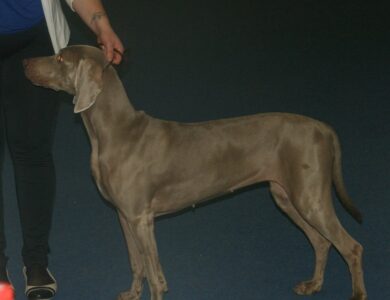
| Weimaraner | Germany (1891) | 30-40 kg | Very high | Moderate |
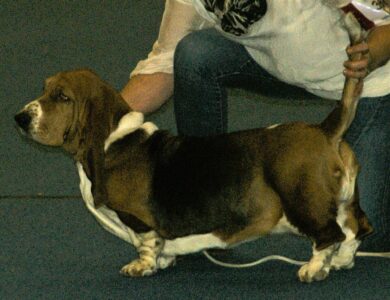
| Basset Hound | France | 25-34 kg | Low | Low |
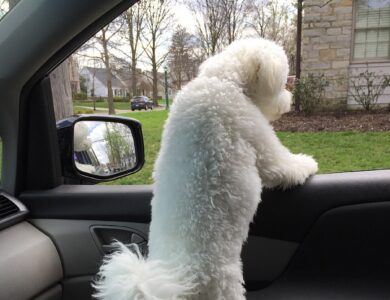
| Bichon Frise | France/Belgium | ~5 kg | Moderate | Low |
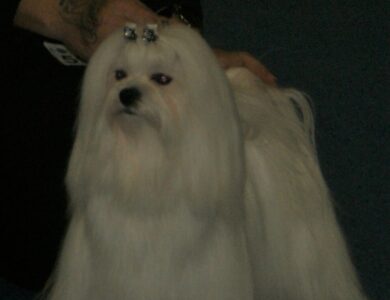
| Maltese | Italy | 3-4 kg | Moderate | Low |
Weight and origin data from published breed standards; energy/guarding levels are general working-breed characterizations, not clinical measurements. See the full breed index for filters by size and origin.
Nutrition and Exercise
Bernese Mountain Dogs need moderate to substantial daily exercise suited to their farm-dog heritage, without overexertion during the puppy growth phase given documented elbow dysplasia risk. Given the breed’s exceptionally high cancer mortality rate, many owners prioritize regular veterinary screening as a central part of care.
10 FAQs
Where does the Bernese Mountain Dog come from?
How big does a Bernese Mountain Dog get?
What is the biggest health risk for Bernese Mountain Dogs?
Why are Bernese Mountain Dogs called “Cheese Dogs”?
What was the Bernese Mountain Dog originally bred for?
How long do Bernese Mountain Dogs live?
Are Bernese Mountain Dogs good family dogs?
What other health problems affect the breed?
Do Bernese Mountain Dogs bond with one person?
Is a Bernese Mountain Dog good for a first-time owner?
🎥 5 Best YouTube Videos About the Bernese Mountain Dog
These videos are embedded directly using YouTube’s own official embed player, in compliance with YouTube’s Terms of Service — we don’t host, own, or claim any credit for this footage. All rights remain with each video’s original creator; click a channel name below to visit their YouTube channel.
Bernese Mountain Dog 101: Everything You Need to Know! — by K9 of Mine
Bernese Mountain Dog 101: Everything You Need to Know! — by Dog Breeds 101
Bernese Mountain Dog: Everything you need to know — by 2CrazyDogs
Dogs 101 – Bernese Mountain Dog — by Dogs101Videos
Discover the Bernese Mountain Dog: A Comprehensive Guide — by Dog Joy
Dog Breed Guide Index: Every Breed We’ve Covered, Filterable by Origin, Size, and Age
Newfoundland: Complete Breed Guide to Temperament, Health, and Care
AI Dog Breed Photo Identifier: Upload a Photo, Get an Instant AI Match