Shetland Sheepdog: Complete Breed Guide to Temperament, Health, and Care

Shetland Sheepdog: Complete Breed Guide to Temperament, Health, and Care
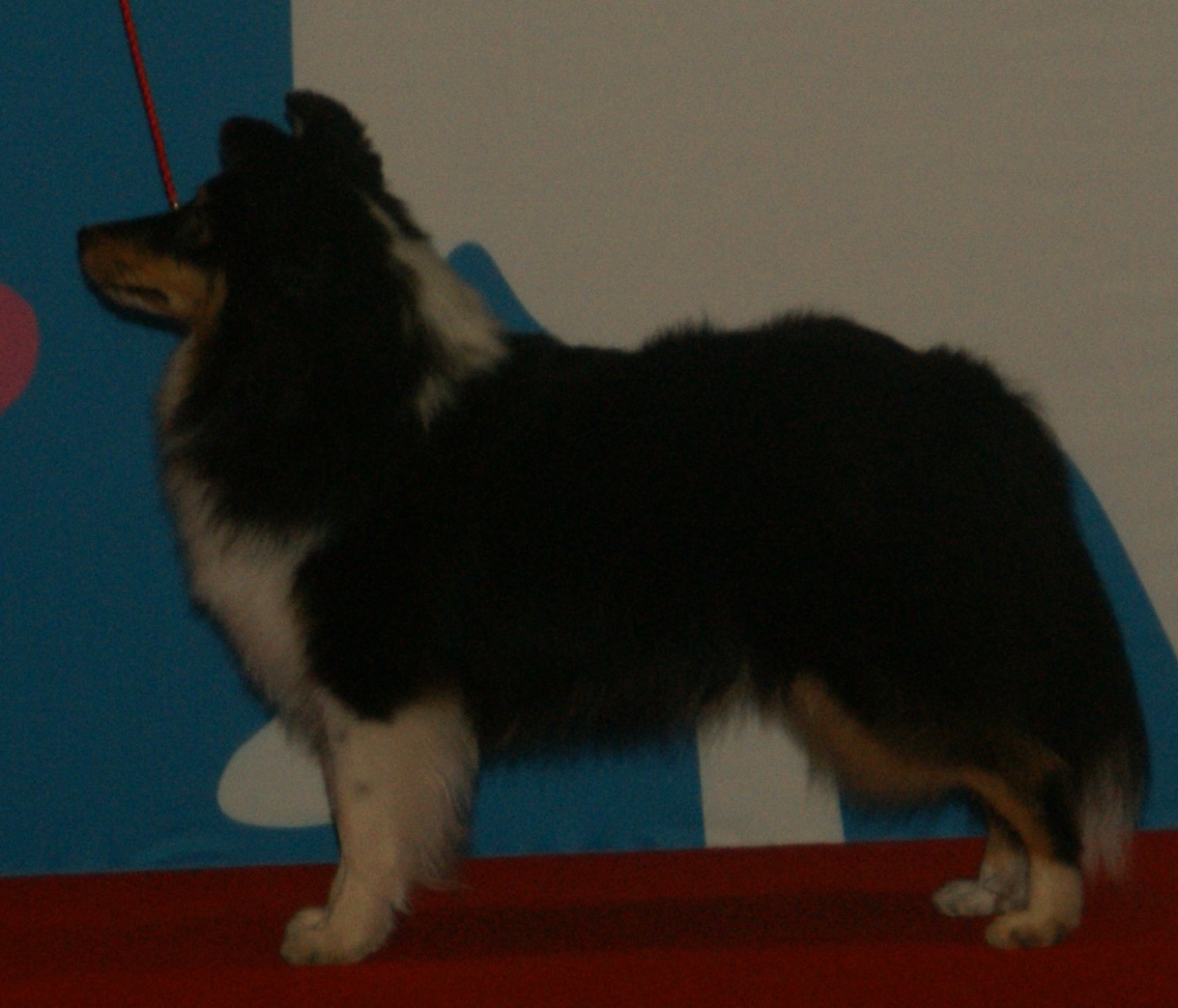
The Shetland Sheepdog originated in Scotland’s Shetland Islands and was formally recognized by the Kennel Club in 1909. Contrary to popular belief, it was not created by miniaturizing the Rough Collie — it descends from small Scottish herding collies crossed with King Charles Spaniels and Spitz-type dogs, with Rough Collie blood added later by James Loggie to establish the modern breed.
Photo: Canarian / Wikimedia Commons, CC BY-SA 4.0
| Origin | Height | Weight | Lifespan | Energy Level |
|---|---|---|---|---|
| Scotland (Shetland Islands) | Males 34.5-39.5 cm · Females 33-38 cm | Not standardized precisely | ~13.4-14.3 years | High |
Executive Summary
The Shetland Sheepdog is clever, vocal, and eager to please — ranked 6th among all breeds in canine intelligence studies, understanding new commands in fewer than five repetitions. Developed to herd sheep on the harsh terrain of the Shetland Islands, it remains an eager, trainable working companion.
What Owning a Shetland Sheepdog Involves
| With training & care | Without it |
|---|---|
| Highly trainable, eager-to-please working companion | Excessive barking without training around vocal instinct |
| Regular skin checks catch dermatological issues early | Untreated skin conditions, a documented breed concern |
| Awareness of MDR1 gene sensitivity before medications | Severe drug reaction in MDR1-sensitive individuals |
| Routine liver/gallbladder screening given documented risk | Undiagnosed gallbladder mucocele, at extremely high relative risk |
3 Real-World Scenarios
- A handler training for obedience or agility competition: picks the Shetland Sheepdog for its documented ranking as the 6th most intelligent breed, learning new commands in under five repetitions.
- An owner correcting a common misconception: learns the Sheltie was never simply a miniaturized Rough Collie — it has its own distinct ancestry from Scottish herding collies, spaniels, and Spitz-type dogs.
- A vet monitoring an aging Sheltie’s liver health: watches closely for gallbladder mucocele, documented at an extraordinarily high 93.87 times increased risk in this specific breed.
2 Shetland Sheepdog Facts
1. A common myth holds that the Shetland Sheepdog is simply a miniaturized Rough Collie — in reality, genetic and historical research shows a more complex ancestry from small Scottish herding collies, King Charles Spaniels, and Spitz-type dogs, with Rough Collie blood added deliberately later by breeder James Loggie.
2. Gallbladder mucocele risk in the Shetland Sheepdog has been documented at nearly 94 times the rate of dogs generally — one of the most extreme breed-specific risk multipliers recorded for any single condition in veterinary research.
🐾 Try It: What Breed Does Your Dog’s Description Match?
Click through real physical traits and see how close your dog’s description comes to a Shetland Sheepdog or another breed.
🐾 What Breed Is My Dog? Click the traits you see
Try it instantly — no sign-up. Watch the match bar grow as you go.
For fun and general guidance only — not a substitute for a professional breed evaluation or DNA test. Photo credits shown above each result.
How the Shetland Sheepdog Compares to Other Breeds We’ve Covered
| Breed | Origin | Male Weight | Energy Level | Guarding Instinct |
|---|---|---|---|---|
| Rottweiler | Germany | 50-60 kg | High | Very high |
| Doberman Pinscher | Germany (1880s) | 40-45 kg | Very high | Very high |
| German Shepherd | Germany (1899) | 30-40 kg | Very high | High |
| Beauceron | France (1587) | 30-45 kg | High | High |
| Golden Retriever | Scotland (1868) | 29-34 kg | High | Low |
| Labrador Retriever | England (1903) | 29-36 kg | High | Low |
| French Bulldog | France (1898) | 9-14 kg | Moderate | Low |
| Poodle (Standard) | Germany/France | 20-32 kg | High | Low |
| Bulldog | England (1875) | ~25 kg | Low | Low |
| Beagle | England (1830s) | 10-11 kg | High | Low |
| Dachshund | Germany (1700s) | 7-15 kg | Moderate | Moderate |
| Yorkshire Terrier | England (1870s) | ≤3.2 kg | Moderate | Low |
| Boxer | Germany (1895) | 30-32 kg | High | High |
| Siberian Husky | Russia (Chukchi) | 20-27 kg | Very high | Low |
| Great Dane | Germany (1878) | 54+ kg | Moderate | Moderate |
| Chihuahua | Mexico | 1-3 kg | High | Low |
| Pug | China | 6-8 kg | Low | Low |
| Border Collie | UK (1893) | 14-25 kg | Very high | Low |
| Australian Shepherd | USA | 16-32 kg | Very high | Moderate |
| Shih Tzu | Tibet/China | 4-7.5 kg | Moderate | Low |
| Cocker Spaniel | England | 13-14.5 kg | High | Low |
| Cavalier King Charles Spaniel | UK (1944) | 5.4-8 kg | Moderate | Low |
| Miniature Schnauzer | Germany | 4-8 kg | Moderate | Moderate |
| Pomeranian | Germany/Poland | 1.4-3.2 kg | High | Low |
| Shetland Sheepdog | Scotland (1909) | ~9-11 kg | High | Moderate |
| Bernese Mountain Dog | Switzerland (1912) | 36-55 kg | Moderate | Moderate |
| Newfoundland | Canada | 65-80 kg | Moderate | Low |
| Akita | Japan (1931) | 27-59 kg | Moderate | High |
| Alaskan Malamute | USA (Alaska) | 34-39 kg | Very high | Low |
| Bull Terrier | England | Unstandardized | High | Moderate |
| Staffordshire Bull Terrier | UK (1935) | 13-17 kg | High | Moderate |
| Weimaraner | Germany (1891) | 30-40 kg | Very high | Moderate |
| Basset Hound | France | 25-34 kg | Low | Low |
| Bichon Frise | France/Belgium | ~5 kg | Moderate | Low |
| Maltese | Italy | 3-4 kg | Moderate | Low |
Weight and origin data from published breed standards; energy/guarding levels are general working-breed characterizations, not clinical measurements. See the full breed index for filters by size and origin.
Nutrition and Exercise
Shetland Sheepdogs need substantial daily exercise and mental engagement, given their working heritage and documented high trainability. Given the breed’s extraordinarily elevated gallbladder mucocele risk, many owners work with their vet on routine liver/gallbladder monitoring as the dog ages.
10 FAQs
Where does the Shetland Sheepdog come from?
Is the Sheltie just a mini Rough Collie?
How big does a Shetland Sheepdog get?
How smart are Shetland Sheepdogs?
What health problems are common in Shelties?
What was the Shetland Sheepdog bred for?
Do Shelties bark a lot?
How long do Shetland Sheepdogs live?
Are Shelties good family dogs?
Is a Shetland Sheepdog good for a first-time owner?
🎥 5 Best YouTube Videos About the Shetland Sheepdog
These videos are embedded directly using YouTube’s own official embed player, in compliance with YouTube’s Terms of Service — we don’t host, own, or claim any credit for this footage. All rights remain with each video’s original creator; click a channel name below to visit their YouTube channel.
Everything you need to know about Shetland Sheepdog puppies! — by Petland USA
Everything You Need To Know About Shelties (Shetland Sheep Dog) — by MumblesVideos
The Shetland Sheepdog – Know Your Breed — by petpalstv
Shetland Sheepdog (Sheltie Characteristics and Care) — by AnimalWised
Shetland Sheepdog – Top 10 Facts — by Dog World
Dog Breed Guide Index: Every Breed We’ve Covered, Filterable by Origin, Size, and Age
Border Collie: Complete Breed Guide to Temperament, Health, and Care
AI Dog Breed Photo Identifier: Upload a Photo, Get an Instant AI Match