Cavalier King Charles Spaniel: Complete Breed Guide to Temperament, Health, and Care

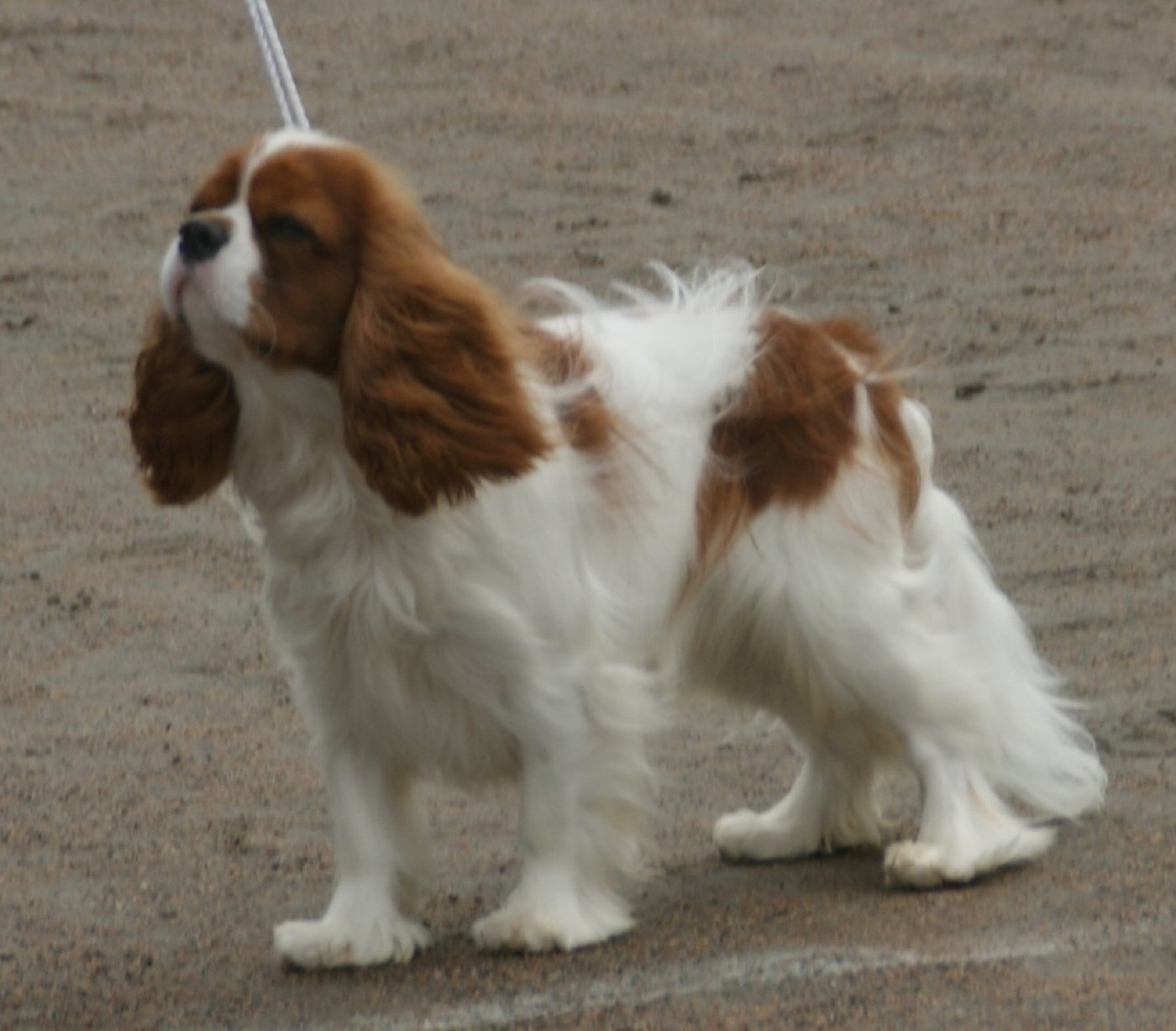
Cavalier King Charles Spaniel: Complete Breed Guide to Temperament, Health, and Care
The Cavalier King Charles Spaniel diverged from the King Charles Spaniel in the 1920s, when breeders sought to recreate the longer-muzzled spaniel type seen in art from the English Civil War era. In 1926, American Roswell Eldridge offered prize money for spaniels of this “old type,” sparking the first Cavalier club in 1928; the Kennel Club formally recognized it as a separate breed on December 5, 1944.
Photo: Canarian / Wikimedia Commons, CC BY-SA 4.0
| Origin | Height | Weight | Lifespan | Energy Level |
|---|---|---|---|---|
| United Kingdom | Not standardized precisely | 5.4-8 kg | ~8-12 years (10.45-11.8 in recent UK studies) | Moderate |
Executive Summary
The Cavalier King Charles Spaniel is highly affectionate, playful, and eager to please, historically bred to keep up with a trotting horse as both lapdog and hunting companion. It regards all strangers as friends, making it a poor guard dog but an excellent therapy and companion animal.
What Owning a Cavalier King Charles Spaniel Involves
| With training & care | Without it |
|---|---|
| Affectionate, patient companion suited to families | Separation anxiety when left alone too often |
| Regular cardiac screening catches mitral valve disease early | Undiagnosed heart disease, a leading breed health concern |
| Awareness of syringomyelia symptoms enables early vet care | Undiagnosed neurological pain from syringomyelia |
| Routine eye and joint checks catch issues early | Undiagnosed luxating patella or eye disorders |
3 Real-World Scenarios
- A family wanting a patient, affectionate companion for children: picks the Cavalier for its documented gentle, eager-to-please temperament, one reason it excels as a therapy dog.
- An owner monitoring heart health as the dog ages: schedules regular cardiac screening, since mitral valve disease is one of the most significant documented health concerns in the breed.
- A prospective owner researching the breed’s real history: learns the modern Cavalier only became a distinct recognized breed in 1944, sparked by a 1926 prize offer for the “old type” spaniel.
2 Cavalier King Charles Spaniel Facts
1. The entire modern Cavalier King Charles Spaniel breed can be traced to a specific historical event: American Roswell Eldridge’s 1926 offer of prize money for spaniels resembling the “old type” seen in historical paintings, which directly led to the first Cavalier breed club in 1928.
2. Syringomyelia, a serious neurological condition affecting the spinal cord, is documented at unusually high rates in the Cavalier compared to most breeds — a direct consequence of the breed’s characteristic skull shape.
🐾 Try It: What Breed Does Your Dog’s Description Match?
Click through real physical traits and see how close your dog’s description comes to a Cavalier King Charles Spaniel or another breed.
🐾 What Breed Is My Dog? Click the traits you see
Try it instantly — no sign-up. Watch the match bar grow as you go.
For fun and general guidance only — not a substitute for a professional breed evaluation or DNA test. Photo credits shown above each result.
How the Cavalier King Charles Spaniel Compares to Other Breeds We’ve Covered
| Breed | Origin | Male Weight | Energy Level | Guarding Instinct |
|---|---|---|---|---|
| Rottweiler | Germany | 50-60 kg | High | Very high |
| Doberman Pinscher | Germany (1880s) | 40-45 kg | Very high | Very high |
| German Shepherd | Germany (1899) | 30-40 kg | Very high | High |
| Beauceron | France (1587) | 30-45 kg | High | High |
| Golden Retriever | Scotland (1868) | 29-34 kg | High | Low |
| Labrador Retriever | England (1903) | 29-36 kg | High | Low |
| French Bulldog | France (1898) | 9-14 kg | Moderate | Low |
| Poodle (Standard) | Germany/France | 20-32 kg | High | Low |
| Bulldog | England (1875) | ~25 kg | Low | Low |
| Beagle | England (1830s) | 10-11 kg | High | Low |
| Dachshund | Germany (1700s) | 7-15 kg | Moderate | Moderate |
| Yorkshire Terrier | England (1870s) | ≤3.2 kg | Moderate | Low |
| Boxer | Germany (1895) | 30-32 kg | High | High |
| Siberian Husky | Russia (Chukchi) | 20-27 kg | Very high | Low |
| Great Dane | Germany (1878) | 54+ kg | Moderate | Moderate |
| Chihuahua | Mexico | 1-3 kg | High | Low |
| Pug | China | 6-8 kg | Low | Low |
| Border Collie | UK (1893) | 14-25 kg | Very high | Low |
| Australian Shepherd | USA | 16-32 kg | Very high | Moderate |
| Shih Tzu | Tibet/China | 4-7.5 kg | Moderate | Low |
| Cocker Spaniel | England | 13-14.5 kg | High | Low |
| Cavalier King Charles Spaniel | UK (1944) | 5.4-8 kg | Moderate | Low |
| Miniature Schnauzer | Germany | 4-8 kg | Moderate | Moderate |
| Pomeranian | Germany/Poland | 1.4-3.2 kg | High | Low |
| Shetland Sheepdog | Scotland (1909) | ~9-11 kg | High | Moderate |
| Bernese Mountain Dog | Switzerland (1912) | 36-55 kg | Moderate | Moderate |
| Newfoundland | Canada | 65-80 kg | Moderate | Low |
| Akita | Japan (1931) | 27-59 kg | Moderate | High |
| Alaskan Malamute | USA (Alaska) | 34-39 kg | Very high | Low |
| Bull Terrier | England | Unstandardized | High | Moderate |
| Staffordshire Bull Terrier | UK (1935) | 13-17 kg | High | Moderate |
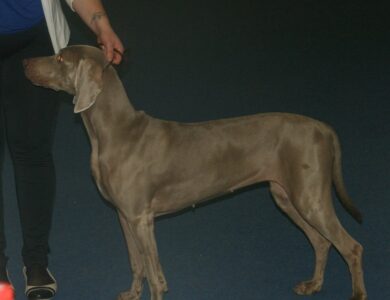
| Weimaraner | Germany (1891) | 30-40 kg | Very high | Moderate |
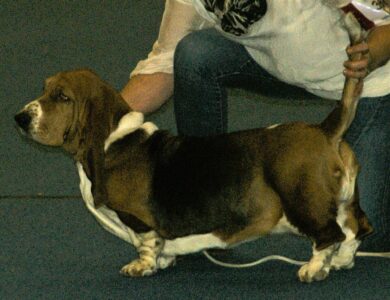
| Basset Hound | France | 25-34 kg | Low | Low |
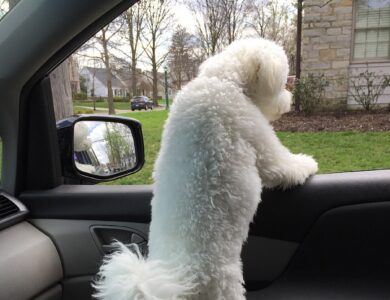
| Bichon Frise | France/Belgium | ~5 kg | Moderate | Low |
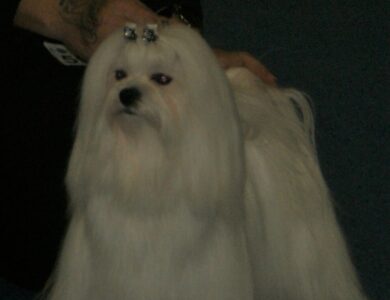
| Maltese | Italy | 3-4 kg | Moderate | Low |
Weight and origin data from published breed standards; energy/guarding levels are general working-breed characterizations, not clinical measurements. See the full breed index for filters by size and origin.
Nutrition and Exercise
Cavaliers need moderate daily exercise — historically bred to keep pace with a trotting horse, they retain real stamina despite their small size. Given the breed’s documented cardiac risk, many owners work with their vet on regular heart screening as part of routine care.
10 FAQs
Where does the Cavalier King Charles Spaniel come from?
How big does a Cavalier get?
What was the Cavalier originally bred for?
What is syringomyelia?
What other health problems affect Cavaliers?
Are Cavaliers good guard dogs?
Are Cavaliers good family dogs?
How long do Cavaliers live?
Is a Cavalier good for a first-time owner?
When was the modern Cavalier breed established?
🎥 5 Best YouTube Videos About the Cavalier King Charles Spaniel
These videos are embedded directly using YouTube’s own official embed player, in compliance with YouTube’s Terms of Service — we don’t host, own, or claim any credit for this footage. All rights remain with each video’s original creator; click a channel name below to visit their YouTube channel.
Cavalier King Charles Spaniel Dog Breed Guide | Dogs 101 — by Smart Dog Lover
Dogs 101 – Cavalier King Charles Spaniel – Top Dog Facts — by Brooklyns Corner
Cavalier King Charles Spaniels 101 — by Simply Rox
Everything You Need to Know About the Cavalier King Charles Spaniel | AKC Meet the Breeds — by American Kennel Club
Cavalier King Charles Spaniels 101 | Dog Facts — by Herky The Cavalier
Dog Breed Guide Index: Every Breed We’ve Covered, Filterable by Origin, Size, and Age
Cocker Spaniel: Complete Breed Guide to Temperament, Health, and Care
AI Dog Breed Photo Identifier: Upload a Photo, Get an Instant AI Match