Labrador Retriever: Complete Breed Guide to Temperament, Health, and Care

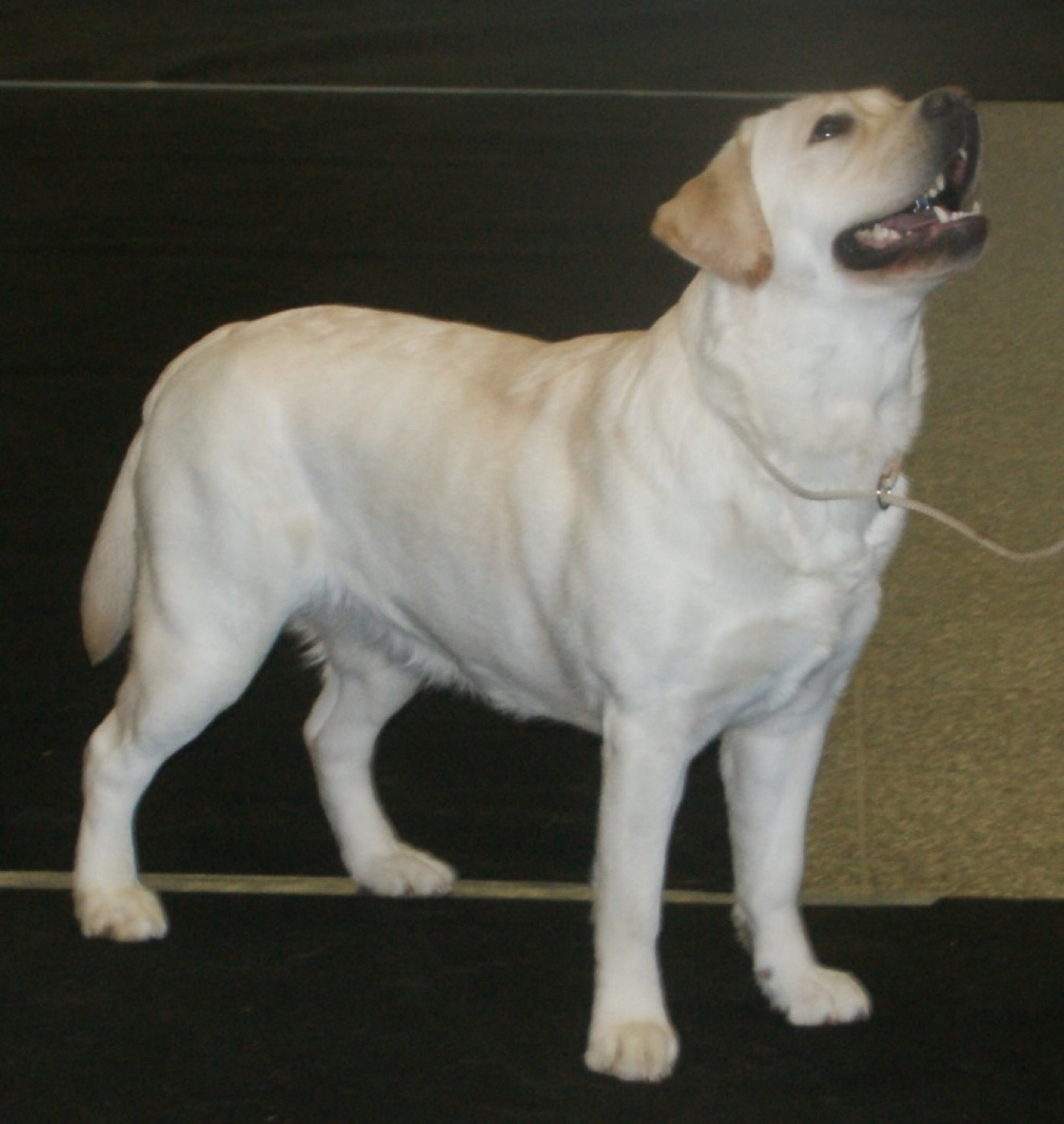
Labrador Retriever: Complete Breed Guide to Temperament, Health, and Care
The Labrador Retriever was developed in 1830s Scotland from St. John’s water dogs imported from Newfoundland, refined through the 1880s by the Earls of Malmesbury and Home and the Dukes of Buccleuch as a gun dog for retrieving on land and water. The Kennel Club recognized the breed in 1903, and it has gone on to become one of the most popular family and working breeds in the world, alongside the Golden Retriever.
Photo: Canarian / Wikimedia Commons, CC BY-SA 4.0
| Origin | Height | Weight | Lifespan | Energy Level |
|---|---|---|---|---|
| England (recognized 1903) | Males 56–57 cm · Females 54–56 cm | Males 29–36 kg · Females 25–32 kg | ~13.1 years average | High |
Executive Summary
The Labrador Retriever is friendly, energetic, and intelligent — bred as a gun dog with a famously soft mouth that lets it retrieve game without damaging it. It is consistently ranked among the most popular family breeds worldwide, thriving with owners who provide daily exercise and mental stimulation.
What Owning a Labrador Retriever Involves
| With training & care | Without it |
|---|---|
| Friendly, outgoing family companion | Excess energy directed into destructive chewing |
| Excellent working and service-dog candidate | Weight gain from a genetic predisposition to overeating |
| Routine hip/elbow and eye screening catches issues early | Undiagnosed hip dysplasia or progressive retinal atrophy |
| Regular exercise keeps joints and weight healthy | Obesity-related joint strain over time |
3 Real-World Scenarios
- A family choosing a dog for young children: picks the Labrador for its documented friendly, patient temperament, similar to the low-guarding profile of the Golden Retriever.
- An owner managing a Labrador prone to weight gain: learns the breed has a documented genetic link (absence of the POMC gene) to overeating, and adjusts portion control accordingly rather than assuming it’s just a training issue.
- A service-dog organization selecting candidates: relies on the same soft-mouth, biddable retrieving traits the breed was originally developed for in 1830s Scotland.
2 Labrador Retriever Facts
1. The Labrador’s ancestors were St. John’s water dogs from Newfoundland, imported to Scotland in the 1830s — the breed as we know it was actually developed and standardized in England, not Newfoundland or Labrador.
2. Chocolate-colored Labradors have been documented to live approximately 10% shorter lives on average than black or yellow Labradors of the same breed, a finding from genetic health research rather than folklore.
🐾 Try It: What Breed Does Your Dog’s Description Match?
Click through real physical traits and see how close your dog’s description comes to a Labrador Retriever or another breed.
🐾 What Breed Is My Dog? Click the traits you see
Try it instantly — no sign-up. Watch the match bar grow as you go.
For fun and general guidance only — not a substitute for a professional breed evaluation or DNA test. Photo credits shown above each result.
How the Labrador Retriever Compares to Other Breeds We’ve Covered
| Breed | Origin | Male Weight | Energy Level | Guarding Instinct |
|---|---|---|---|---|
| Rottweiler | Germany | 50-60 kg | High | Very high |
| Doberman Pinscher | Germany (1880s) | 40-45 kg | Very high | Very high |
| German Shepherd | Germany (1899) | 30-40 kg | Very high | High |
| Beauceron | France (1587) | 30-45 kg | High | High |
| Golden Retriever | Scotland (1868) | 29-34 kg | High | Low |
| Labrador Retriever | England (1903) | 29-36 kg | High | Low |
| French Bulldog | France (1898) | 9-14 kg | Moderate | Low |
| Poodle (Standard) | Germany/France | 20-32 kg | High | Low |
| Bulldog | England (1875) | ~25 kg | Low | Low |
| Beagle | England (1830s) | 10-11 kg | High | Low |
| Dachshund | Germany (1700s) | 7-15 kg | Moderate | Moderate |
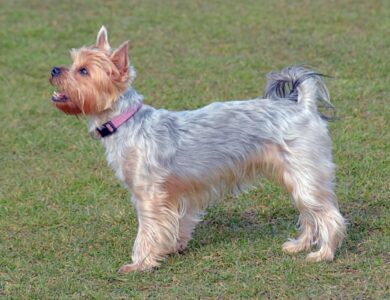
| Yorkshire Terrier | England (1870s) | ≤3.2 kg | Moderate | Low |
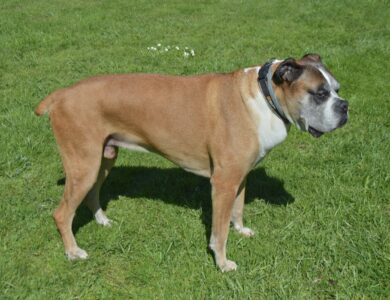
| Boxer | Germany (1895) | 30-32 kg | High | High |
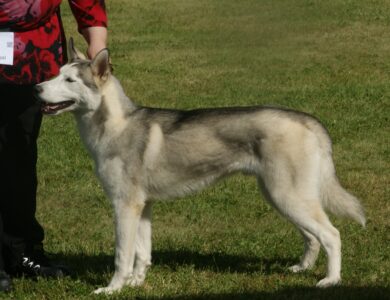
| Siberian Husky | Russia (Chukchi) | 20-27 kg | Very high | Low |
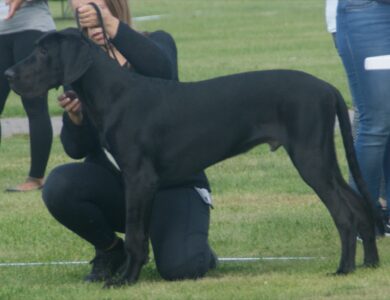
| Great Dane | Germany (1878) | 54+ kg | Moderate | Moderate |
Weight and origin data from published breed standards; energy/guarding levels are general working-breed characterizations, not clinical measurements. See the full breed index for filters by size and origin.
Nutrition and Exercise
Labradors need substantial daily exercise — retrieving games, swimming, and long walks all suit their working heritage — combined with strict portion control, since the breed has a documented genetic predisposition toward obesity. Routine hip, elbow, and eye screening is recommended given known breed risks.
10 FAQs
Where does the Labrador Retriever come from?
How big does a Labrador get?
Why do Labradors gain weight so easily?
What health problems are common in Labradors?
Do chocolate Labradors really live shorter lives?
Are Labradors good family dogs?
How much exercise does a Labrador need?
Is a Labrador good for a first-time owner?
How does a Labrador compare to a Golden Retriever?
Is the Labrador recognized by an official kennel club?
Dog Breed Guide Index: Every Breed We’ve Covered, Filterable by Origin, Size, and Age
Golden Retriever: Complete Breed Guide to Temperament, Health, and Care
AI Dog Breed Photo Identifier: Upload a Photo, Get an Instant AI Match