Dachshund: Complete Breed Guide to Temperament, Health, and Care

Dachshund: Complete Breed Guide to Temperament, Health, and Care
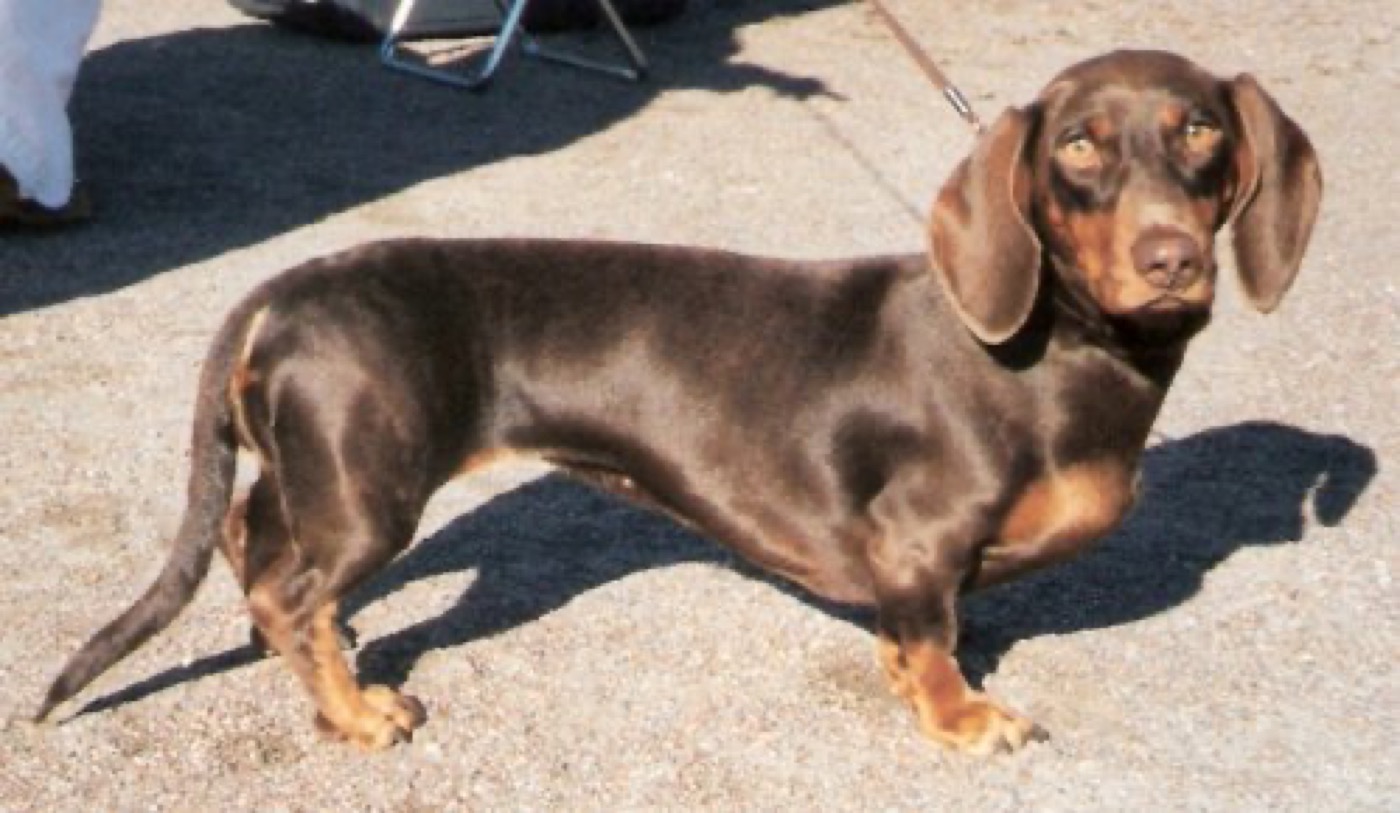
The Dachshund was developed by German breeders in the early 1700s, combining German, French, and English hounds and terriers to create a dog built to scent, chase, and flush badgers from their burrows — its German name translates literally to “badger dog.” That distinctive elongated build makes it instantly recognizable, and instantly different from every other breed in our breed index.
Photo: Canarian / Wikimedia Commons, CC BY-SA 3.0
| Origin | Height | Weight | Lifespan | Energy Level |
|---|---|---|---|---|
| Germany (early 1700s) | Standard: 20–23 cm at withers | Standard: 7–15 kg · Miniature: up to 5 kg | 13.2–13.9 years average | Moderate |
Executive Summary
The Dachshund is clever, lively, and courageous to the point of rashness — bred to independently confront badgers underground, it retains a stubborn, standoffish-with-strangers streak that makes early training important, alongside real, well-documented spinal health risks tied to its body shape.
What Owning a Dachshund Involves
| With training & care | Without it |
|---|---|
| Lively, courageous companion with a strong personality | Stubbornness that undermines inconsistent training |
| Careful handling protects the long spine from injury | Intervertebral disc disease (IVDD), affecting 20–25% of the breed |
| Ramps/stairs limit jumping strain on the back | Jumping from furniture increasing spinal injury risk |
| Genetic testing screens double-dapple breeding risk | Vision and hearing problems in double-dapple offspring |
3 Real-World Scenarios
- An owner protecting their Dachshund’s back: adds ramps and limits jumping from furniture, since intervertebral disc disease affects a documented 20–25% of the breed.
- A breeder avoiding a known genetic health risk: avoids breeding two double-dapple dogs together, since that pairing is linked to documented vision and hearing problems in puppies.
- A first-time owner underestimating the breed’s temperament: learns the Dachshund was bred to independently confront badgers underground, which explains its stubborn, sometimes standoffish personality with strangers.
2 Dachshund Facts
1. The Dachshund’s German name translates literally to “badger dog,” and its earliest documented names — “Dachs Kriecher” (badger crawler) and “Dachs Krieger” (badger warrior) — describe the exact underground hunting job it was bred for.
2. Intervertebral disc disease (IVDD) affects a documented 20–25% of Dachshunds, one of the highest rates of any breed, a direct consequence of the same elongated spine that defines the breed’s silhouette.
🐾 Try It: What Breed Does Your Dog’s Description Match?
Click through real physical traits and see how close your dog’s description comes to a Dachshund or another breed.
🐾 What Breed Is My Dog? Click the traits you see
Try it instantly — no sign-up. Watch the match bar grow as you go.
For fun and general guidance only — not a substitute for a professional breed evaluation or DNA test. Photo credits shown above each result.
How the Dachshund Compares to Other Breeds We’ve Covered
| Breed | Origin | Male Weight | Energy Level | Guarding Instinct |
|---|---|---|---|---|
| Rottweiler | Germany | 50-60 kg | High | Very high |
| Doberman Pinscher | Germany (1880s) | 40-45 kg | Very high | Very high |
| German Shepherd | Germany (1899) | 30-40 kg | Very high | High |
| Beauceron | France (1587) | 30-45 kg | High | High |
| Golden Retriever | Scotland (1868) | 29-34 kg | High | Low |
| Labrador Retriever | England (1903) | 29-36 kg | High | Low |
| French Bulldog | France (1898) | 9-14 kg | Moderate | Low |
| Poodle (Standard) | Germany/France | 20-32 kg | High | Low |
| Bulldog | England (1875) | ~25 kg | Low | Low |
| Beagle | England (1830s) | 10-11 kg | High | Low |
| Dachshund | Germany (1700s) | 7-15 kg | Moderate | Moderate |
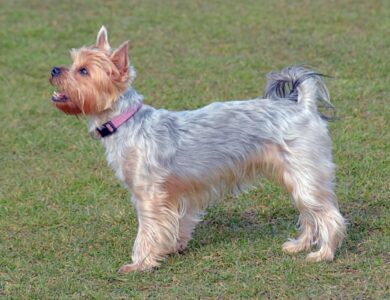
| Yorkshire Terrier | England (1870s) | ≤3.2 kg | Moderate | Low |
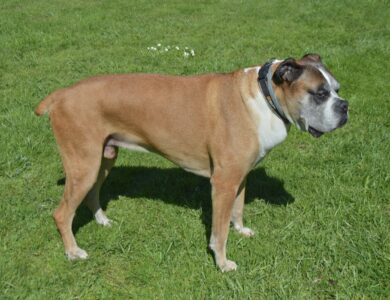
| Boxer | Germany (1895) | 30-32 kg | High | High |
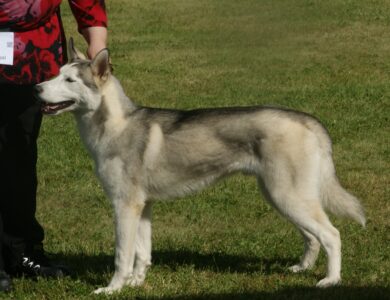
| Siberian Husky | Russia (Chukchi) | 20-27 kg | Very high | Low |
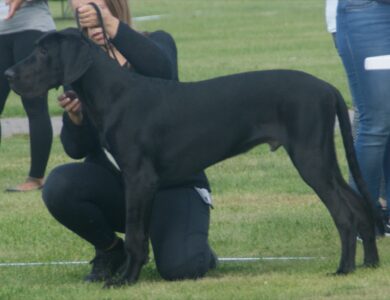
| Great Dane | Germany (1878) | 54+ kg | Moderate | Moderate |
Weight and origin data from published breed standards; energy/guarding levels are general working-breed characterizations, not clinical measurements. See the full breed index for filters by size and origin.
Nutrition and Exercise
Dachshunds need moderate daily exercise, but weight control is especially important since excess weight significantly increases strain on the breed’s long spine. Ramps or steps to furniture and controlled jumping help reduce the well-documented risk of intervertebral disc disease.
10 FAQs
Where does the Dachshund come from?
How big does a Dachshund get?
What was the Dachshund originally bred for?
Why do Dachshunds have back problems?
Are Dachshunds good family dogs?
What is a double-dapple Dachshund?
How long do Dachshunds live?
Do Dachshunds need a lot of exercise?
Should Dachshunds use stairs?
Is a Dachshund good for a first-time owner?
Dog Breed Guide Index: Every Breed We’ve Covered, Filterable by Origin, Size, and Age
Dog Breed Guide Index: Every Breed We’ve Covered, Filterable by Origin, Size, and Age
AI Dog Breed Photo Identifier: Upload a Photo, Get an Instant AI Match