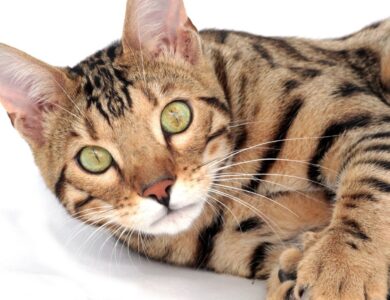
Caring for a Senior Cat: What to Expect as Cats Age


Caring for a Senior Cat: What to Expect as Cats Age
The Ultimate Guide to Senior Cat Health: What Owners Need to Know for a Long, Happy Life
When you realize your playful kittens are growing into gentle seniors, it often comes with an unexpected mixture of immense love and deep anxiety. You look into those wise, sometimes fading eyes and wonder how much longer you have to cherish them, and more importantly, how best to help them navigate the inevitable changes that come with age. The journey of pet ownership is defined by unconditional love, but aging adds a layer of complexity—the mystery of what needs to change in diet, routine, or medicine to keep their quality of life high.
It’s natural for the internet to be full of vague advice, but caring for an older cat requires a proactive, comprehensive approach that addresses physical changes (like mobility issues or chronic kidney disease) as well as cognitive and emotional ones. This guide is designed to equip you with genuine veterinary knowledge, helping you transition from reactive pet owner mode to becoming their most informed advocate. We will walk through the key milestones, common conditions, and necessary adjustments to ensure your beloved feline companion enjoys their golden years in comfort.
Understanding the Biological Changes of Aging in Felines
A senior cat is not just a “sleepy” version of its former self; it undergoes complex biological shifts that affect every major system, from their kidneys to their muscles and joints. Unlike dogs, cats are masters at hiding discomfort or illness until they reach a critical stage, which makes vigilant monitoring absolutely essential.
Multiple episodes of vomiting or diarrhea within 24 hours, sudden inability to get up or walk, blood in the urine (pink/red litter), or significant difficulty breathing.
Nutrition and Weight Management for Senior Cats
One of the most significant, yet often overlooked, parts of senior care is diet. Aging cats frequently suffer from Chronic Kidney Disease (CKD), which dramatically changes how they process waste products. The dietary needs shift from simple caloric maintenance to highly tailored therapeutic diets.
The goal of senior nutrition is usually multi-faceted: managing kidney load, controlling blood pressure, and preventing muscle atrophy (sarcopenia). This often means reducing phosphorus and maintaining stable protein levels—enough for quality life but not so much that it overwhelms failing kidneys.
As cats age, their ability to maintain ideal body weight decreases. Obesity significantly accelerates CKD and joint deterioration, making consistent monitoring of caloric intake (and sometimes appetite stimulants) critical for long-term health.
If your cat is losing weight and seems uninterested in food, discuss appetite stimulants or dietary toppers with your veterinarian. Addressing low caloric intake can be the key to managing other chronic conditions.
Managing Pain and Mobility Issues (Arthritis)
Osteoarthritis is perhaps the most common complaint in senior cats, making simple activities like jumping or chasing impossible. Managing this pain requires a combination of lifestyle changes and medical intervention.
The key physical adjustments include providing vertical climbing spaces (to maintain muscle tone), ramped entry points to stairs, and specialized orthopedic beds that keep joints aligned. Medication often involves NSAIDs or other anti-inflammatory treatments, but these must be carefully managed by a vet because many senior cats are also on medications for kidney issues.
High Risk
Very High Risk
Very High Risk
High Risk
Medium Risk
Cognitive Decline and Mental Enrichment
As cats age, they can develop cognitive dysfunction, sometimes called “feline dementia.” This isn’t just acting eccentric; it represents a genuine neurological decline that impacts their ability to navigate familiar environments or recognize household cues.
Symptoms might include confusion, disorientation (especially around night time), increased vocalization when separated from you, and general apathy. To combat this, consistent routine is paramount. Furthermore, mental enrichment—through interactive play sessions tailored to their current physical ability (like feather wands) or providing scratching posts in multiple rooms—can significantly improve their quality of life.
The Importance of Routine Preventative Veterinary Care
Many owners tend to skip preventative vet care once the cat becomes “old enough.” This is a mistake that can be fatal. Regular visits are vital because older cats often decline slowly, and many critical conditions (like hyperthyroidism or kidney failure) don’t show dramatic symptoms until they reach an advanced stage.
Don’t wait for a visible emergency. Schedule an annual comprehensive geriatric panel, which includes blood work to check kidney values (BUN/creatinine), thyroid levels (T4), and complete blood count (CBC).
Addressing Common Senior Illnesses
Three conditions frequently plague older cats are Chronic Kidney Disease (CKD), Hyperthyroidism, and Dental Disease. These often coexist, making management complex but treatable.
CKD is metabolic; the kidneys simply lose function over time due to age and cumulative damage. Management is focused on diet, hydration, and blood pressure control. Hyperthyroidism—an overactive thyroid—speeds up metabolism, causing weight loss and sometimes heart issues. Dental disease is often overlooked but can lead to systemic infections, affecting everything from their ability to eat to their overall gut health.
Dental disease isn’t just a bad breath issue. Severe periodontal infections can become systemic, contributing to anemia, poor nutrient absorption, and even exacerbating kidney function.
Real-World Scenarios
Scenario 1: The Subtle Kidney Decline
A previously active cat starts having slightly more frequent trips to the litter box, but the owners haven’t noticed anything visibly wrong with the urine itself. This slight increase in frequency, combined with a gradual decrease in overall energy and sometimes mild nausea, requires prompt bloodwork to catch CKD before it progresses.
Scenario 2: Arthritis Flare-Up
After an initial improvement phase, the cat suddenly becomes unusually grumpy or reluctant to use a certain set of stairs in the house. This suggests a flare-up of joint pain that might be aggravated by activity levels and could benefit from anti-inflammatory supplements or physical rehabilitation.
Scenario 3: Cognitive Confusion
The cat used to greet family members at the door happily but now spends a noticeable amount of time pacing by windows or seems anxious when the primary caretaker leaves for work. This is a classic sign of cognitive decline and suggests a need for increased structured playtime and routine predictability.
Senior cat care is fundamentally about proactive symptom monitoring and comprehensive blood panel testing, not just treating acute illnesses. Changes in routine urination, weight, or energy are your earliest warning signs.
Related Topics
As your cat’s needs evolve, so will your knowledge base. For additional reading on related pet care topics, consider these guides:
- Understanding Ich (White Spot Disease) in Fish
- Caring for a Pet Chinchilla: Dust Baths and Health Basics
- Signs of Hyperthyroidism in Older Cats
- Caring for a Molting Bird
- Meet the Best Veterinary Clinic in Crateús CE
- Guide to All 5 Veterinary Clinics in Cascavel CE, Learn More!
Frequently Asked Questions (FAQ)
Should I switch my cat to prescription urinary diet food?
If your cat shows signs of crystal or UTI issues, a veterinary nutritionist will likely recommend a wet, low-mineral urinary formula. This doesn’t just help the urine—it encourages increased water intake, which is crucial for flushing out minerals and preventing recurrence.
How often should I take my senior cat for blood tests?
For stable, healthy seniors, annual checks are usually sufficient. However, if your cat has multiple chronic conditions (like CKD and hyperthyroidism), or if there is any concern about poor appetite or lethargy, your vet may recommend bi-annual blood panels to track organ function.
Is it too late to improve my cat’s mobility?
While recovery depends on the specific injury, early intervention is key. Combined physiotherapy (if advised by a vet), careful pain management medication, and environmental modifications—like ramps or litter box steps—can significantly improve quality of life.
Can supplements help senior cats? What should I supplement?
Many supplements are unregulated. Focus on quality veterinary advice first. If supplements are recommended, your vet might suggest joint support (like glucosamine/chondroitin) or Omega-3 fatty acids for skin and inflammation, but these must be coordinated with existing medications.
What is the best way to prevent dehydration in an older cat?
The number one way is managing their water intake. Using multi-cat fountains, adding fresh water bowls near their favorite resting spots, and incorporating wet food into every meal greatly helps encourage them to drink more naturally.
How much litter box clean up is appropriate for a senior cat? Should I use clumping litter?
Use regular, easily scoopable non-dusting litter to prevent respiratory issues. If the cat has urinary symptoms, ensure the box is very shallow and easy for them to enter and exit. Clean the area daily and use gentle deodorizers.
Remember that aging is a marathon, not a sprint. Your love and dedication are the most potent medicines you can give your cat. By staying vigilant with subtle changes in diet, mobility, and behavior, and by forming an open partnership with your veterinarian, you maximize their comfort and joy for as many years to come.
If something feels off—that lethargy is too deep, the appetite loss persists, or the confusion is ongoing—do not wait until it becomes a crisis. An early call to your vet with clear observations will make the difference between managing a decline and preventing an emergency.