How to Reduce Hairballs in Cats

How to Reduce Hairballs in Cats
The Ultimate Guide: How to Reduce Hairballs in Cats and Support Digestive Health
It’s one of the most common concerns for cat owners, especially those whose beloved companion has a luxurious coat. You pick up a piece of fur from the litter box or find it stuck on your jacket, and suddenly, the topic of hairballs takes center stage. Watching your cat cough up hair can be startling and worrying, often leaving you desperately searching for a simple answer to prevent it.
You are not alone in this anxiety. Hairballs are an extremely normal physiological process—they are essentially clumps of swallowed fur that the cat’s digestive system is trying (often unsuccessfully) to eliminate. However, when hairball issues become chronic or cause vomiting, it’s time for proactive intervention. This comprehensive guide will walk you through the science behind hairballs, offering veterinary-backed strategies—from dietary changes and grooming techniques to emergency signs—to keep your cat feeling comfortable from nose to tail.
Understanding the Mechanics of Hairballs
To effectively combat hairballs, we first need to understand how they form. A cat doesn’t intentionally ingest fur just for sport. When a cat grooms itself—a behavior essential for maintaining their coat health—they inevitably pick up dead or shedding hairs. Because these hairs are fine and easily swallowed, the cat’s digestive system traps them. The stomach then forms a cohesive mass of hair mixed with mucus, which is what we call a hairball.
The severity depends on several factors: how much fur the cat sheds, the size and texture of the individual hairs, and most importantly, whether the cat’s digestive tract has enough motility (movement) to pass the mass smoothly.
A cat’s digestive tract is designed to efficiently process nutrients, but the hairball mass can sometimes trigger vomiting because it creates a physical obstruction or irritation point in the esophagus.
Dietary Adjustments: Preventing Hairballs from Within
What your cat eats is perhaps the most critical factor in management. If a diet lacks proper fiber, it exacerbates constipation and makes hairball passage harder. The goal of dietary modification is two-fold: increase stool bulk to promote regularity, and introduce binding agents that help safely pass swallowed fur.
Fiber Intake (The Key Role): Dietary fiber acts as both a bulking agent in the stool and a binder for hairballs. Look for commercial cat foods that list sources like pumpkin, chicory root, or psyllium husk. These are generally safe additions when administered under your veterinarian’s guidance.
When adding fiber supplements or specialized diets, do so gradually over 7 to 10 days. Sudden shifts in diet can cause gastrointestinal upset or diarrhea.
High
High
Moderate
The Importance of Human Intervention (Grooming)
While diet is internal, grooming is external prevention. The most mechanical way to reduce hairball formation is to remove the loose fur before your cat swallows it. Regular brushing is non-negotiable for cats with long or medium coats.
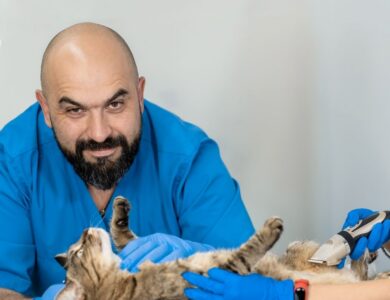
Use a specialized deshedding tool designed for their coat type (e.g., a slicker brush or a Furminator, depending on the hair length). Brushing should be incorporated into playtime and bonding time—it’s less of a chore and more of an activity.
The single most effective non-dietary prevention strategy is consistent, dedicated brushing to physically remove fur before ingestion.
Optimizing Digestion and Hydration
A healthy cat is a happy, efficient digestive system. Often, hairball vomiting is coupled with poor gastrointestinal motility or mild dehydration. Optimal hydration helps keep the stool formed and soft, allowing any trapped foreign objects (like fur) to pass easily.
Ensure your cat has constant access to fresh water. Consider multi-source water fountains, as many cats are naturally drawn to the running motion of moving water. If they are reluctant drinkers, veterinary-grade wet foods or broths can help boost liquid intake.
* Vomiting attempts that produce bile or green foam (suggesting an obstruction).
* Repeated, forceful vomiting without visible passage of material.
* Lethargy or weakness accompanied by GI distress.
Medical and Nutritional Supplements
While diet is the foundation, supplements can provide necessary mechanical or enzymatic assistance. Veterinary guidelines often recommend specific types of fiber-rich supplements (like whole pumpkin puree, not pie filling) or specialized shampoos that incorporate de-shedding agents.
Some owners find success with over-the-counter hairball remedies designed to coat the fur and aid digestion. However, it is absolutely vital that you consult your primary veterinarian first to rule out underlying issues like hyperthyroidism or Inflammatory Bowel Disease (IBD) that could be contributing to chronic hairballs.
If a cat is repeatedly vomiting hairballs, it may not mean the fur is stuck. Sometimes, simply passing small, manageable amounts of hair via stool (rather than vomit) is the healthier resolution.
Real-World Scenarios
To help identify when professional intervention is needed, here are a few composite clinical scenarios:
- Scenario A (The Constant Vomiter): A 7-year-old indoor cat has been vomiting hairballs every morning for the past month, consuming multiple doses of commercial fiber supplements. The primary vet suspects a slower gut transit time and recommends bloodwork to check for underlying hormonal imbalances before adjusting the diet further.
- Scenario B (The Sudden Change): A healthy 3-year-old outdoor cat was recently exposed to a new littermate in the yard. Since this exposure, the owner has noticed an increase in shedding and subsequent vomiting episodes, prompting a discussion with the vet regarding environmental enrichment and targeted brushing tools.
- Scenario C (The Urinary Red Flag): A senior Siamese cat presents with vomiting accompanied by straining and passing small, crystal-like clumps from the litter box. The veterinary team immediately shifts focus away from simple hairball management to check for potential urinary obstruction or stone formation due to associated dehydration.
A cat that refuses to keep water down or who vomits multiple times in a row with persistent nausea.
Signs of abdominal pain, such as crying when the abdomen is gently touched, suggesting potential obstruction.
High
Moderate
Low
Conclusion and Next Steps
Reducing hairballs is rarely a ‘cure’; it’s an ongoing management strategy that requires commitment from the owner, involving diet modifications, regular grooming, and vigilance. By treating hairball prevention as part of your cat’s holistic preventative care plan—and never ignoring signs of acute GI distress—you can significantly improve their comfort and digestive health.
Before starting any new supplement or commercial food, schedule a wellness check with your veterinarian to ensure the recommended changes are appropriate for your cat’s current health status.
Hairball management requires a three-pronged approach: reducing fur intake via brushing, increasing motility and bulk through fiber, and ensuring adequate hydration.
Related Topics
For further resources on general pet care and vet visits in different locations, these articles may be helpful:
- Guide to All 3 Veterinary Clinics in Canindé, CE, Brazil, Don’t Miss Out!
- How to Reduce Stress During Vet Visits — Useful tips for making future vet visits less stressful for both you and your cat.
- Veterinary Clinic: The Local Reference in Lorena, SP, Brazil
- Veterinary Clinic: The Local Reference in Mauriti, CE, Brazil
- How Often Should Guinea Pigs See a Vet? — Great for small animal owners with guinea pigs.
- Your Guide to All 6 Pet Shops in Santo André, SP, Brazil — If you need local pet product recommendations.
- Legislação na Saúde Animal — Guia Animal (Brazil, in Portuguese): General information regarding pet health laws.
- Guia das Raças de cachorros — Guia Animal (Brazil, in Portuguese): For dog owners wanting breed information.
- Gatos — Guia Animal (Brazil, in Portuguese): General information about cats from a foreign resource.
Frequently Asked Questions
Are hairballs always dangerous?
Not necessarily. Mild, occasional vomiting of a few small clumps is normal and can often be managed with dietary changes. However, if the vomiting is forceful, persistent, associated with abdominal pain, or leads to lethargy, it suggests an obstruction that requires immediate veterinary attention.
Is fiber supplement the only way to prevent hairballs?
No. While dietary fiber is crucial, physical removal (grooming) and increasing water intake are equally vital preventative measures. A balanced approach combining brushing, hydration, and appropriate diet provides the best results.
Do I need to change my cat’s routine drastically?
You don’t need a drastic overhaul, but consistency is key. Incorporating 10 minutes of dedicated brushing time and making sure fresh water is always accessible can make a huge difference over weeks.
Can brushing cause stress or injury?
If your cat resists grooming, keep sessions short (3-5 minutes) and use positive reinforcement like treats. If they display signs of fear, excessive licking attempts to remove the brush, or aggression, consult a vet or certified groomer for guidance.
What if my cat is already overweight?
Weight management significantly improves overall digestive function. Working with your vet to establish a suitable weight loss diet can improve gut motility and help the cat process ingested foreign matter more effectively.
Are hairballs dangerous if they don’t cause vomiting?
Passage through the stool is ideal, but even a large enough mass to be passed naturally needs monitoring. If the cat seems uncomfortable after passing a large amount of fur, ensure their litter box area is clean and accessible to prevent blockages.
Remember that proactive care works best. By maintaining consistent grooming habits, ensuring high fiber intake through diet, and keeping up their hydration levels, you are doing everything right to minimize the chances of your feline friend struggling with hairballs.
Keywords: cat hairball reduction, how to prevent cat hairballs, cat digestive health, feline gastrointestinal care, best food for hairballs in cats, cat grooming routine, pet fiber supplements, vet advice for hairballs, kitty digestion tips, optimal hydration for cats, fur bolus prevention, indoor cat care, senior cat GI issues, veterinary preventative care, feline nutrition guide