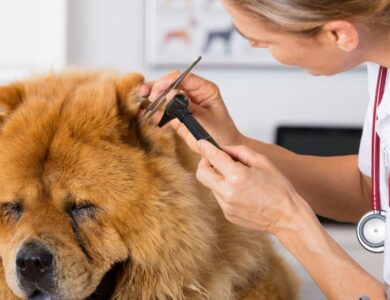
Why Does My Dog Keep Scratching? Common Causes of Itchy Skin in Dogs


Why Does My Dog Keep Scratching? Common Causes of Itchy Skin in Dogs
Why Is My Dog Scratching? A Comprehensive Guide to Canine Itching Causes and Treatment
The sound of dry, frantic scratching or the sight of a visibly itchy dog can be incredibly distressing for any pet owner. You pick up your furry companion, perhaps notice a patch of red skin between their toes, or simply see them aggressively grooming themselves on the sofa. As owners, our immediate reaction is concern: Is this minor? Is it serious?
Itching, medically known as pruritus, is one of the most common dermatological complaints in dogs, ranging from mild annoyance to a debilitating condition that severely impacts quality of life. While it might seem like an isolated issue—just something they do when bored—the scratching itself is often a symptom pointing toward an underlying imbalance in their immune system, environment, or internal health. Understanding why your dog feels so uncomfortable is the first and most crucial step toward helping them feel better.
Understanding Canine Pruritus: It’s More Than Just Boredom
When a dog scratches or chews at their skin, they are attempting to relieve the sensation of an itch. However, scratching itself can damage the skin barrier (the epidermis), creating open wounds that allow bacteria and yeast (a secondary infection) to colonize the area, thereby making the initial problem worse—a vicious cycle known as dermatitis.
The skin is one of the largest and most complex organs in your dog. It acts as a highly sophisticated barrier system, protecting against pathogens, UV radiation, and environmental toxins. When itching occurs, this protective barrier has been compromised by one or more factors.
Top Causes of Itching: Parasites and Allergies
In veterinary medicine, the causes of pruritus are typically grouped into infectious agents (parasites), inflammatory reactions (dermatitis), or allergic sensitivities. A thorough investigation is required to pinpoint the culprit.
1. Parasitic Infestations
These are often the simplest and easiest issues to treat, but they require prompt attention. Fleas, mites (like Demodex or Sarcoptes), and ticks can cause severe localized irritation.
If the scratching is accompanied by bleeding, signs of facial pain (muco-cutaneous inflammation), or if multiple lesions appear across different body areas suddenly.
2. Allergies and Environmental Sensitivities
Allergies are arguably the most common cause of chronic scratching in dogs, often leading to what veterinarians call “Canine Atopic Dermatitis.”
- Environmental Allergies (Atopy): These trigger reactions to airborne substances like pollens (grasses, trees), mold, or dust mites. The dog isn’t allergic to the pollen itself, but rather to a protein in the dog’s saliva that has been ‘sensitized’ by the allergen.
- Food Allergies: These are reactions to specific proteins found in their diet (e.g., beef, chicken, or dairy). Diagnosis often requires an elimination diet managed by a veterinary nutritionist.
- Contact Dermatitis: This is skin irritation caused by physical contact with irritants like certain chemicals, soap residues, or novel plants in the yard.
When managing allergy flare-ups, consult your vet about anti-itch medications and considering a dedicated chew bone or puzzle toy to redirect the scratching energy rather than letting them scratch furniture.
The Role of Bacteria and Yeast (Secondary Infections)
It is critical to understand that the initial allergen or parasite often does not cause visible skin infections, but the scratching action creates perfect breeding grounds for opportunistic pathogens. These secondary bacterial and yeast overgrowths are what make the dog look worse and feel itchier.
When your dog is scratched or irritated, assume secondary infection is present. Treating only the itch without addressing surface bacteria (with shampoos and ointments) or yeast will not resolve the problem.
A Comprehensive Diagnostic Look at Canine Itching
Diagnosing pruritus is rarely straightforward and often requires ruling out multiple possibilities. Your veterinarian will perform a systematic approach, which may include:
- Skin Scrapes: To check for mites or bacteria.
- Cytology: Swabbing the skin to look at yeast and bacterial counts.
- Blood Work (Allergies): Specific blood tests can help rule out immune system dysregulation or identify specific sensitivities.
- Diet Elimination Trial: A structured feeding plan to diagnose food protein allergies, which must be done under veterinary supervision.
If the pruritus is so severe that it causes weight loss, if the dog is licking/chewing enough to show signs of systemic distress (like vomiting or lethargy), or if there are raw patches with exudate.
Preventative Care and Management Strategies
Once the underlying cause is identified, management usually involves a combination of medication (e.g., specialized shampoos, oral anti-parasitics), lifestyle changes, and behavioral modification.
Prevention emphasizes maintaining a strong skin barrier and minimizing exposures:
- Bathing Schedule: Regular bathing with vet-recommended anti-itch shampoos helps remove environmental triggers.
- Dietary Management: Feeding high-quality, novel protein sources that match the dog’s suspected allergens.
- Preventative Medicine: Consistent application of monthly parasite prevention products (fleas/ticks) is non-negotiable for maintaining good skin health.
Very High
High
Very High
High
Moderate
Real-World Scenarios
The presentation of itching can vary widely, making accurate diagnosis difficult. Here are three common clinical scenarios veterinarians encounter:
- Scenario 1 (Seasonal): A dog that only begins to scratch and exhibit skin redness on its paws and groin area during specific months of the year, suggesting a strong seasonal or pollen trigger.
- Scenario 2 (Chronic/Oral): An elderly dog whose scratching is accompanied by excessive licking around the anal glands and abdominal skin fold, pointing toward persistent irritation that may be linked to urinary discomfort or deeper allergy cycles.
- Scenario 3 (Sudden/Systemic): A puppy exhibiting sudden bouts of intense itching on its abdomen and ears, following a change in grooming products used by the owner, strongly suggesting contact dermatitis or an acute environmental sensitizer.
When your dog is excessively itchy, consider using a vet-approved Elizabethan collar (the cone) temporarily. This physical barrier prevents the dog from scratching the skin raw while giving the medication time to work.
Understanding the Underlying Skin Barrier
The most important principle in treating pruritus is not just to mask the itch, but to repair the skin barrier. Chronic scratching damages the stratum corneum (the outermost layer of skin), leaving it vulnerable to moisture loss and microbial overgrowth. Veterinarians often use specialized omega-3 fatty acid supplements and topical emollient baths that help restore the skin’s natural lipid balance.
A balanced skin microbiome (the community of bacteria and yeasts naturally living on the skin) is essential. When one species overgrows due to trauma or poor diet, it can upset the balance, triggering inflammation far beyond the original trigger.
Consulting Professional Help
Because scratching can be linked to everything from a treatable parasite load to serious systemic allergies, assuming the cause is simple—like just “dirty skin”—can lead to prolonged suffering. Never attempt complex treatments or switch diets without veterinary guidance.
Treating canine itching requires an investigative approach. The goal is to identify and manage the root cause (the allergen or parasite), not just suppress the immediate symptom.
Related Topics
For more comprehensive pet care information, check out these related guides:
- Understanding Microchipping: Why It Matters
- Building a Pet First Aid Kit at Home
- Guide to All 11 Veterinary Clinics in Caucaia CE | Discover Them Today!
- Why Is My Dog Panting So Much? When to Worry
- Understanding Antifreeze Poisoning in Pets — A Hidden Danger
- Why Does My Dog Drag Its Bottom on the Floor?
- Legislação na Saúde Animal — Guia Animal (Brazil, in Portuguese)
- Guia das Raças de cachorros — Guia Animal (Brazil, in Portuguese)
- Gatos — Guia Animal (Brazil, in Portuguese)
Frequently Asked Questions About Canine Itching
Is scratching normal behavior for dogs?
Sometimes, grooming is natural self-maintenance. However, when the owner notices excessive, frantic, or deep skin damage from scratching (especially if they are in different locations on the body), it indicates discomfort and requires veterinary attention.
Can diet changes truly solve my dog’s itching?
Yes, food sensitivities are a major cause of pruritus. However, diagnosing this requires a supervised elimination diet where all potential protein sources (e.g., beef, chicken) are removed and the dog is fed only highly specific novel ingredients for 8-12 weeks.
Are anti-itch shampoos a guaranteed cure?
They are excellent supportive tools, helping to clean and reduce surface bacteria/yeast. However, they treat the symptoms and secondary infections. If the underlying cause is allergies or mites, medication (oral or prescription) must also be used alongside shampoos.
How long does it take for skin healing to show results?
Healing is slow and cumulative. Severe flare-ups require consistent medication use (often several months). Owners should manage expectations, as breaking the cycle of scratching requires commitment.
What should I do if my dog is itching me?
This usually indicates severe discomfort, pain, or anxiety. It’s a sign that the itch cycle has become intense and requires professional veterinary intervention to manage both the skin and the behavior.
Should I use human skin products on my dog? (DIY solutions)
Never apply over-the-counter human creams, lotions, or hydrocortisone to your dog without veterinary approval. Wrong ingredients can cause chemical burns, and many canine allergies are not responsive to human remedies.
Remember that managing persistent itching is a marathon, not a sprint. Be diligent with your veterinarian’s treatment plan, keep careful records of flare-ups (including what changes occurred the day before), and never hesitate to ask clarifying questions. Your commitment to understanding your dog’s complex skin health cycle is the best thing you can do for them.
Keywords: canine itching, pruritus, dog allergy causes, itchy dogs treatment, veterinary dermatology, atopic dermatitis, canine parasites, food sensitivity in dogs, pet itching remedies, dry skin in dogs, skin barrier function, demodex mites, puppy scratching, vet care for pets, chronic pruritus, anti-itch shampoos, environmental allergies dogs, paw licking dog, diagnosing skin issues, veterinary guide