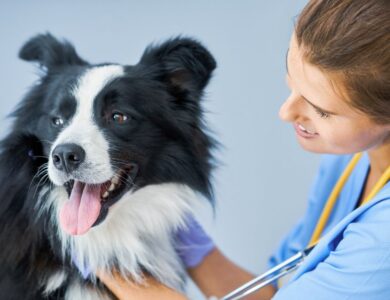
When Should You Spay or Neuter Your Dog?


When Should You Spay or Neuter Your Dog?
The Comprehensive Guide to Canine Spaying and Neutering: When Is It Time?
When you look into the process of spaying or neutering your dog, it can feel overwhelming. There is so much information—from general advice to strong opinions from breeders and pet owners—and the pressure to make the “right” decision for your beloved companion can be immense. It’s completely normal to worry: Are you doing the right thing? Is it too early, or perhaps too late?
These procedures are not just about preventing puppies and kittens; they are major veterinary interventions that impact your dog’s lifelong health, behavior, and overall quality of life. Our goal here is to cut through the noise and provide you with a scientifically backed guide, empowering you to discuss options openly and confidently with your veterinarian, knowing you have comprehensive knowledge about the pros, cons, and ideal timing for this crucial care.
Understanding the Science Behind Canine Sterilization
Spaying (ovariohysterectomy) refers to the removal of the ovaries and uterus in females, while neutering involves the surgical removal of the testicles in males. Both procedures are highly common and generally considered routine preventative care. However, it is critical to understand that these surgeries offer benefits that extend far beyond simple population control; they directly address potential hormonal imbalances and prevent specific life-threatening conditions.
Spaying and neutering procedures can significantly reduce the risk of certain cancers. For example, early spaying is strongly associated with a decreased likelihood of developing mammary tumors in females, while male neutering reduces the risk of testicular cancer.
The Ideal Timing: What Do Experts Recommend?
While the instinct may be to wait until a dog is fully mature, modern veterinary guidance suggests that timing should be balanced against both medical risk and preventative benefit. Generally, veterinarians recommend waiting until your puppy or puppy has achieved adequate physical maturity.
Timing Considerations for Females (Spaying)
The ideal window typically begins between 5 and 6 months of age. This timing allows the dog’s body to develop sufficiently, minimizing surgical risks associated with a rapidly growing puppy. Performing the procedure too early can sometimes lead to incomplete closure of reproductive structures, which may require further surgery.
Timing Considerations for Males (Neutering)
Similarly, the optimal window for male dogs is usually between 6 and 8 months. This timing ensures the hormonal system has stabilized enough to undergo general anesthesia safely.
Always coordinate the timing of your spay/neuter with other necessary preventative care, such as initial vaccinations and parasite screenings. Your vet may adjust the schedule based on the dog’s individual growth rate or health status.
Reducing Behavioral Issues and Preventing Illnesses
One of the most commonly cited reasons for these procedures is behavior modification. While neutering and spaying do not magically erase underlying behavioral issues (like separation anxiety or destructive chewing), they can significantly mitigate hormone-driven behaviors.
High Risk
High Risk
High Risk
>
High Risk
Addressing Concerns: Risks, Complications, and Vet Care
As with any major surgery, there are risks. These typically involve anesthesia complications, infection, or bleeding, but modern veterinary practices have drastically minimized these concerns through advanced techniques. Open communication with your vet is paramount to mitigating risks.
Signs of severe internal bleeding (pale gums, rapid heart rate), signs of septic shock (vomiting, diarrhea combined with lethargy and cool skin), or evidence of extreme pain that does not subside with prescribed medication.
Real-World Scenarios
Understanding the decision can sometimes be easier when viewing common clinical pictures:
- The Pregnant or Exposed Female: A female dog presenting with signs of uterine distress (swelling, discharge) who has not been spayed is at significantly higher risk for acute pyometra. Early preventative surgery removes this life-threatening risk entirely.
- The Male with Wandering Behavior: A male dog exhibiting intense marking behavior or repeated attempts to mate, even when spatially restricted, suggests high hormonal levels typical of intact males, making sterilization a strong behavioral aid.
- The Routine Wellness Puppy: For healthy puppies scheduled for routine care, prophylactic spaying and neutering are standard protocol due to the overwhelming preventative benefits—especially concerning mammary or testicular cancer risks—far outweighing the minimal surgical risk in a modern facility.
Choosing to spay or neuter is ultimately a personalized choice, but by weighing hormonal risks (like pyometra) against procedural risks, you can make the most informed decision alongside your veterinary team.
While pet owners should always discuss the decision with their vet, understanding that spaying and neutering are primarily preventative measures against severe, hormone-driven life-threatening conditions is critical.
Real-World Scenarios
The difference between preemptive care and reactive emergency treatment can be vast:
- Emergency Pyometra Presentation (Female): An older female dog presents with lethargy, persistent vomiting, and a swollen abdomen. The veterinarian diagnoses the uterine emergency requiring immediate surgery, indicating that proactive spaying would have prevented this life-threatening crisis.
- Repeated Urinary Tract Infections (Both Sexes): A dog consistently struggles with recurrent UTIs and bladder issues linked to hormonal cycles, suggesting that prophylactic sterilization could significantly reduce the frequency of these stressful and painful infections.
- High Behavioral Distress (Male): A younger male dog struggling with territorial marking or persistent attempts to mount objects shows a clear pattern linked to undiminished reproductive hormones, making neutering highly beneficial for mental and physical well-being.
Choosing the Right Path: Consultation is Key
Before consenting to surgery, review all of your pet’s records with your vet. Discuss their current diet, exercise levels, known sensitivities, and any history of anesthetic issues. This comprehensive discussion ensures that the timing aligns perfectly with the dog’s physical readiness. Remember, preventing major health crises is always more peaceful than managing one in an emergency setting.
Keep a written checklist of all questions for your vet (e.g., anesthesia protocols, recovery timelines, specific cancer risk reduction percentages) to ensure you don’t forget important details during the appointment.
Related Topics
If you are researching pet health and care, these related resources may also be helpful:
- Before exploring the local vet services, you might find this list useful for Explore all 2 Pet Shops in Itapecerica da Serra, SP, Brazil!
- For those needing routine care guidance, check out this Guide to All 3 Veterinary Clinics in Jandira, SP, Brazil. Learn More!
- If you are planning a shopping trip, here is the Guide to All 7 Pet Shops in Piracicaba, SP, Brazil, Check It Out Now!
- For livestock care general knowledge, review Understanding Deworming Schedules for Horses.
- Owner behavioral advice is available here if you are wondering Why Do Cats Bring You Dead Animals?
- If your cat suddenly becomes elusive, this guide might offer comfort: Why Is My Cat Hiding? What It Might Mean
- (Please note these external links are in Portuguese and relate to pet law or breed guides.) Legislação na Saúde Animal — Guia Animal (Brazil, in Portuguese)
- Guia das Raças de cachorros — Guia Animal (Brazil, in Portuguese)
- Gatos — Guia Animal (Brazil, in Portuguese)
The decision to spay or neuter must be made in consultation with your vet, balancing the dog’s physical maturity and current health against the high value of preventing potentially life-threatening hormone-related diseases.
Frequently Asked Questions
Is spaying or neutering strictly unnecessary if my dog is never going to breed?
No. Even for non-breeding pets, the primary medical benefits—such as drastically reduced risks of pyometra in females and testicular cancer in males—make spaying/neutering a highly recommended preventative procedure by most modern veterinary guidelines.
Does spaying or neutering make my dog calm or docile?
While some owners perceive a dramatic change in demeanor, the surgery does not cure underlying anxiety or aggressive tendencies. However, by removing constant hormone fluctuations linked to reproductive cycles, it can alleviate certain hormonal drivers of restlessness and reduce territorial marking behavior.
What if my dog is too old to be spayed or neutered?
Your vet will assess your pet’s cardiovascular and kidney function. If the risks associated with general anesthesia outweigh the benefits, the procedure may be contraindicated. In such cases, alternative preventative medications or hormonal management strategies might be discussed.
Are there risks of developing hormonal deficiencies after the procedure?
In rare cases, removing reproductive organs can impact certain hormone balances, but veterinary care often manages this closely. Your vet will monitor your dog’s overall endocrine system to ensure stability.
How long does the recovery time usually last after spaying/neutering?
Most dogs feel significantly better within 48 to 72 hours. Strict adherence to leash walking, no rough play, and limited exercise for the first week is crucial for proper healing of internal stitches.
Should I be concerned about the anesthesia used during the procedure?
Modern veterinary anesthesia is highly regulated and monitored. Your vet will use pre-operative blood work to ensure you are in the best physical condition possible for surgery, making complications very rare.
If you have any remaining doubts or concerns after reading this guide, remember that the first and most important step is scheduling a thorough consultation with your trusted veterinarian. They possess the specific knowledge of your dog’s medical history to confirm if this procedure is right for them right now.
Keywords: spaying dogs, neutering dogs, canine sterilization, when to spay a female dog, when to neuter a male dog, pet preventative care, pyometra prevention, mammary tumors risk, hormonal behavior in dogs, veterinary surgery guide, ideal age for spay/neuter, best time to neuter puppy, spaying process risks, dog reproductive health, proactive pet medicine, vet consultation checklist, canine endocrinology, pet ownership tips, routine wellness exams.