Veterinary Equipment Essentials: The Complete Checklist for a Modern Practice


Every veterinary clinic startup budget eventually comes down to one question: what do you actually need to buy first? This checklist breaks down veterinary equipment into the categories that matter for planning — diagnostics, surgery, sterilization, general practice, and technology — so you can prioritize spending instead of guessing. It is the equipment reference behind our Clinic Startup Calculator series.
1. Diagnostic Equipment
Diagnostics are usually the single largest equipment category, and the one most tied to what type of practice you are opening. A general practice can often start with the basics below and add advanced imaging later, while an emergency or specialty hospital needs most of this from day one.
- Digital X-ray (radiography) system — essential for orthopedic, dental, and thoracic diagnostics; digital sensors cost more upfront than film but save significantly on consumables and staff time.
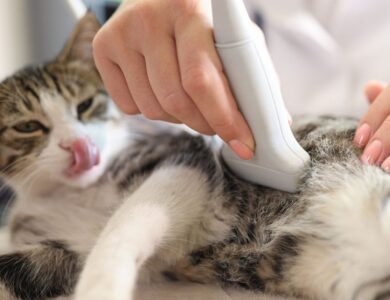
- Ultrasound machine — used for abdominal, cardiac, and pregnancy diagnostics; a mid-range machine with a curvilinear and a linear probe covers most general practice needs.
- In-house blood chemistry analyzer — turns a same-day pre-surgical panel or sick-pet workup from a multi-day wait into a 10-15 minute result.
- Hematology (CBC) analyzer — pairs with the chemistry analyzer to give a complete in-house blood picture.
- Binocular microscope — for fecal exams, ear cytology, skin scrapes, and urinalysis sediment.
- Refractometer & urinalysis supplies — low-cost, high-frequency use in almost every consult.
2. Surgical & Anesthesia Equipment
Surgical equipment is where safety cannot be compromised to save budget. Anesthesia monitoring in particular is one of the areas where under-investing creates real patient risk.
- Surgical table with adjustable height and V-trough options for different patient positioning.
- Anesthesia machine with vaporizer, calibrated for the gas anesthetic you plan to use (isoflurane or sevoflurane).
- Multi-parameter patient monitor — pulse oximetry, ECG, capnography (end-tidal CO2), and blood pressure at minimum; this is the equipment that catches anesthetic complications early.
- Surgical lighting — a dedicated overhead surgical light, not general room lighting.
- Electrosurgery/cautery unit — reduces bleeding and surgery time.
- Surgical instrument packs — plan for at least 2-3 complete packs per commonly performed procedure so one can be in sterilization while another is in use.
3. Sterilization & Infection Control
An autoclave is non-negotiable for any practice performing surgery. Choose capacity based on how many instrument packs you cycle through per day, not just today’s caseload — undersizing this is a common early mistake that creates bottlenecks as the practice grows.
- Steam autoclave with a documented sterilization cycle log (required for most regulatory inspections).
- Ultrasonic instrument cleaner for pre-sterilization debris removal.
- Sealed instrument storage and a clearly separated “dirty” and “clean” workflow, which ties directly into how the treatment area is laid out.
4. General Practice & Exam Room Equipment
- Stainless steel exam tables (fixed or hydraulic-lift, the latter reduces staff back strain over years of use).
- Digital scales appropriate to patient size — a small-pet scale for exam rooms and a larger platform scale at reception for dogs.
- Otoscope and ophthalmoscope sets for ear and eye examination.
- Dental unit with ultrasonic scaler and polisher, plus intraoral dental X-ray if the practice offers dental procedures (a fast-growing service line in most markets).
5. Technology & Practice Management
Equipment budgets often forget IT infrastructure, but practice management software, client communication tools, and record-keeping systems are what make the clinical equipment usable at scale.
- Practice management software for scheduling, medical records, and invoicing.
- Reliable workstations in every exam room and treatment area, plus a tablet or mobile option for house-call or mobile services.
- Backup and cloud storage for medical records — increasingly a regulatory requirement, not just a convenience.
Pro Tip: Buy vs. Lease
High-ticket diagnostic equipment (X-ray, ultrasound, in-house lab analyzers) is often available through equipment leasing programs offered directly by manufacturers. Leasing preserves your opening-day working capital, which our Clinic Startup Calculator treats as a separate, protected budget line for exactly this reason.
Part of the Clinic Startup Series
Use our free CAPEX and Working Capital calculator to plan your own veterinary clinic budget, with real currency conversion for your country:
Tokyo, Japan ·
New York City, USA ·
Paris, France ·
Sydney, Australia ·
Canberra, Australia ·
Berlin, Germany
This article is for educational purposes only and does not constitute professional architectural, financial, legal, or business advice. Regulations, building codes, and best practices vary by country and region. Always consult a licensed architect, accountant, and your local veterinary regulatory board before making commercial decisions.
By Antônio Soares | VeterinaryGuide.com