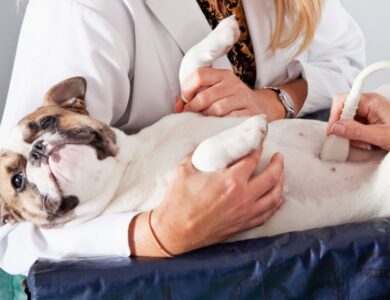
Understanding Car Sickness in Dogs and How to Help


Understanding Car Sickness in Dogs and How to Help
Understanding Car Sickness in Dogs: Comprehensive Guide for Safe Travels
If you’ve ever noticed your dog turning pale, whining constantly, or suddenly becoming nauseous every time the car starts up, you are not alone. Watching a beloved pet experience discomfort during a simple road trip can be incredibly stressful for the owner as well. It’s natural to worry—is it just nerves? Is it something serious? Understanding car sickness (or canine motion sickness) is the first step toward ensuring that every journey, no matter how short, is comfortable and enjoyable for your furry best friend.
Pet travel is a vital part of life, whether you are visiting family or embarking on an adventure to a new hiking trail. However, the motion, the sounds, and the confined space can trigger genuine physical symptoms in dogs. This detailed guide from VeterinaryGuide helps demystify canine motion sickness, providing expert veterinary insights into why it happens, the subtle signs to look for, and proven strategies that can drastically improve your dog’s tolerance for car rides.
What Exactly is Motion Sickness in Dogs?
Motion sickness, medically known as pet sick or canine vestibular syndrome, occurs when a dog’s senses of balance and movement are sending mixed signals to the brain. The inner ear contains specialized organs that track head position and movement (the vestibular system). When your dog is stationary, everything aligns perfectly. But while moving in a car—experiencing acceleration, deceleration, turning, and vibrations—the visual input from their eyes often doesn’t match the proprioception data sent by the fluid-filled inner ear. This sensory mismatch confuses the brain, triggering nausea, vomiting, and sometimes severe anxiety.
The vestibular system is crucial for maintaining balance. When this system is challenged by motion, the brain interprets it as a systemic imbalance, leading to the symptoms we call car sickness.
Identifying Symptoms and When to Panic
Knowing what normal dog anxiety looks like versus actual motion sickness is key. While some signs are related simply to stress (like excessive panting or whining), others point directly to gastrointestinal upset caused by vestibular confusion.
- Vomiting/Diarrhea: Vomit is the most obvious sign. The vomit may be bile or partially digested food, and it often occurs shortly after starting to drive.
- Lethargy and Weakness: After a long ride, the dog might be unusually tired, reluctant to stand, or unsteady on their feet (ataxia).
- Hypersalivation/Drooling: Increased saliva production is common as part of the nausea reflex.
- Panting and Discomfort: Excessive panting that doesn’t relate to temperature can be a sign of digestive upset and discomfort.
If vomiting is persistent (more than twice in one day) combined with signs of dehydration, or if the dog shows sudden, severe head tilt or difficulty walking that persists even after resting.
Preventative Measures: Preparing for the Trip
The most effective treatment is prevention. Preparation starts days before you even pack the car. Establishing a routine and ensuring your dog’s gut health are cornerstones of successful travel.
High
Medium
Medium/High
Travel Day Protocol: What to Do Before, During, and After
Successful travel management requires proactive steps. Before the Trip: Start a regimen of gut-soothing foods (like plain boiled chicken or vet-approved calming supplements) for several days leading up to travel. A veterinarian may also prescribe anti-nausea medications.
Keep your dog calm before departure. A vet visit or a stimulating toy just before getting in the car can elevate anxiety, exacerbating motion sickness symptoms.
The Journey Itself: Maximizing Comfort
During the drive, maintaining a controlled environment is paramount. Keep your dog secure in a crate or appropriate seatbelt harness to minimize sudden movements and vibrations they can feel. Provide regular, short breaks at rest stops so they can stretch their legs and get fresh air.
Consider using scent diffusers or calming pheromones (like Adaptil) in the car. Familiar, soothing scents can help reduce general travel anxiety.
Understanding Root Causes Beyond Nausea
While vomiting is the most recognizable sign, it’s important to remember that travel anxiety can sometimes be linked to underlying medical issues. For example, some breeds are naturally prone to vestibular disorders, making them more susceptible to car motion than others. Regular veterinary check-ups and breed-specific awareness help owners manage expectations and prepare for difficult journeys.
The level of vibration and turbulence a dog experiences is often more impactful than the sheer distance traveled. Rough roads can trigger symptoms even if the trip isn’t long.
Real-World Scenarios
Scenario 1: The Overly Excited Companion
A family takes their Labrador on a routine drive to the coast. Because the dog was highly anticipating the trip, they developed severe anxiety in the confined space and vomited multiple times before reaching the beach. In this case, while physical sickness occurred, the primary trigger was heightened excitement stress rather than purely vestibular confusion.
Scenario 2: The Subtle Traveler
A Cocker Spaniel is taken on a short trip down an unpaved, bumpy rural road. Although the dog didn’t vomit visibly, they were noted to be trembling and keeping their head held awkwardly throughout the journey. This suggests developing inner ear discomfort triggered by rough vibrations rather than excessive emotional stress.
Scenario 3: The Sensitive Senior
An older dog with previously mild digestive sensitivities is driven for a standard, two-hour trip. After stopping the car and getting fresh air, the dog quickly recovers, but spent the entire ride appearing drained and mildly nauseous. This highlights that even dogs who normally travel well can be susceptible to mild illness due to age or underlying health changes.
To mitigate car sickness, a multi-faceted approach is needed that combines preventative medication, controlling the dog’s digestive system before travel, and ensuring comfortable physical containment during transit.
Related Topics for Pet Care
Need more guidance on pet health and wellness? Explore these other articles:
- ‣ How to Recognize Signs of Stress in Shelter or Rescue Pets
- ‣ Guide to All 279 Veterinary Clinics in Fortaleza CE, Learn More!
- ‣ Why Do Dogs Eat Grass? Should You Be Worried?
- ‣ How Often Should Nails Be Trimmed on Dogs and Cats?
- ‣ How Often Should Pet Birds See an Avian Vet?
- ‣ Why Does My Cat Vomit So Often?
- ‣ Legislação na Saúde Animal — Guia Animal (Brazil, in Portuguese)
- ‣ Guia das Raças de cachorros — Guia Animal (Brazil, in Portuguese)
- ‣ Gatos — Guia Animal (Brazil, in Portuguese)
Frequently Asked Questions About Canine Travel
Does the dog’s weight or size impact their susceptibility to motion sickness?
Generally, larger and heavier dogs are less susceptible than smaller breeds due to how their inner ear structures function. However, any dog—regardless of size—can suffer from car sickness if they have an underlying vestibular predisposition or poor gut health.
Is it okay to give my dog anti-nausea medication before a trip?
Many veterinarians recommend over-the-counter or prescription anti-motion sickness aids (like Dramamine derivatives). Always discuss this with your vet first, as these medications need to be timed correctly relative to the travel schedule and must be safe for your dog’s species.
How can I prevent vomiting during the car ride?
Prevention is key. This involves prophylactic (before the fact) medications, high-fiber or bland pre-travel meals (like boiled chicken and rice), and keeping stress levels low in the hours leading up to departure.
If my dog is severely nauseous during the drive, should I stop immediately?
Yes. The moment you see active vomiting or extreme signs of distress like excessive drooling or tremors, pull over safely into a service area. Let your dog rest on a cool surface and offer small amounts of water.
Are certain types of travel (like boats or planes) worse than car rides?
Yes, generally speaking. Boats and airplanes involve more variable forces—rolling motion, significant altitude changes, and sustained vibrations—which can be much harder on the canine vestibular system than steady road travel.
How long until my dog recovers after a severe bout of car sickness?
Most mild episodes resolve within hours or the next day. However, if persistent vomiting, severe diarrhea, or dizziness continues for over 24 hours without improvement, veterinary intervention is necessary to rule out other systemic issues.
Ultimately, managing pet travel is about consistency and planning. Never assume that because your dog has traveled before, they will be fine again; every trip is a new opportunity to reinforce calm habits and manage their physical comfort through preparation.
Keywords: car sickness in dogs, canine motion sickness, preventing pet nausea, dog car ride safety, vestibular syndrome dogs, travel tips for pets, puppy vomiting while driving, vet advice dog car, canine digestive upset, anti-nausea dog medicine