How to Support a Pet Recovering From Surgery at Home

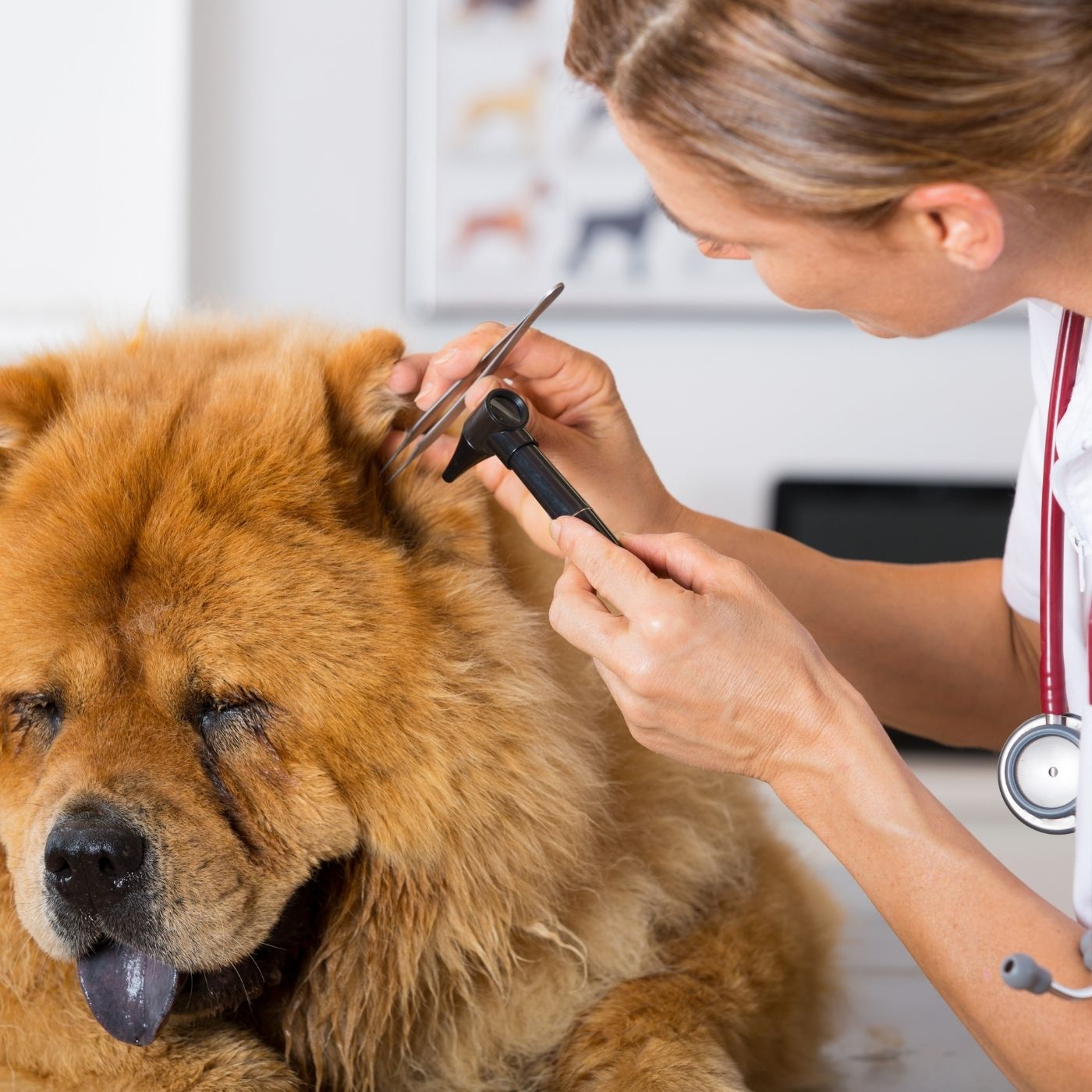
How to Support a Pet Recovering From Surgery at Home
Comprehensive Care: Supporting Your Pet’s Recovery at Home After Surgery
If your beloved pet has just returned home after surgery, the immediate relief of seeing them safe and recovering can be overwhelming. You are doing everything right—monitoring their incision, ensuring they rest, and providing endless comfort. However, the recovery period at home is often marked by anxiety for you, the owner, who might worry about things you can’t see: subtle changes in breathing, signs of infection far down a limb, or simply how to keep them safe while they are still so fragile.
This transition from sterile clinic environment back to the comfort (and chaos) of home life requires diligent management and understanding. A surgical recovery is not just about healing tissue; it’s a whole systemic process that affects their energy, digestion, immune response, and emotional state. By understanding normal recovery milestones, recognizing potential complications, and implementing proper at-home care routines, you can transform what might feel like a stressful waiting game into a supportive partnership with your pet.
Understanding the Immediate Post-Operative Phase
The first few days after surgery are critical, and they involve a period of deep inflammation, pain management, and systemic adjustment. Your pet might seem groggy or less interactive than usual; this is expected and part of the healing process. Their primary job right now is to rest their body’s resources for repair. Management of discomfort is key, but remember that treating the symptom (pain) is different from managing the underlying recovery state.
Persistent vomiting or diarrhea (more than one episode in 24 hours), difficulty breathing, excessive bleeding from the incision that doesn’t slow down, or signs of extreme localized pain not managed by prescribed medication.
Creating a Safe and Controlled Recovery Environment
A major cause of complications is injury or stress related to the home environment. The goal is restricted activity, which sounds restrictive but is vital for allowing tissues to mend without strain. This means minimizing trip hazards, restricting access to certain rooms (especially those with stairs), and ensuring they have safe napping spots.
Implement mandatory “crate time” or a small, puppy-proofed recovery zone for the first week. This controlled space minimizes roaming and forces them to rest properly without access to inappropriate areas.
Managing Pain and Mobility Restrictions
Pain is the single biggest factor slowing recovery, leading to reluctance in movement which can cause secondary issues like muscle atrophy or even urinary tract infections (UTIs) if they are orthopedic patients who have to “hold” their bladder due to discomfort. Always follow the vet’s protocol for pain medication, even if your pet seems better than expected—the analgesic effect often wears off and needs proactive management.
Low
High
Medium/High
Dietary Needs and Grooming Protocols
The nutritional support required during recovery is often overlooked. Post-surgical diets must be highly digestible, easily tolerated, and aimed at reducing inflammation while promoting wound healing. This usually means a bland diet (like boiled chicken and rice) initially, followed by gradual transition to specialized vet food.
Proper weight management is crucial for recovery. Excess weight places unnecessary stress on healing bones and joints, slowing down mobility milestones and increasing the risk of secondary injuries.
Recognizing Signs of Complications
While monitoring is essential, recognizing the difference between normal discomfort and true complication requires vigilance. Infections are common if pet owners accidentally pull on sutures or neglect basic hygiene. Keep incision sites clean, dry, and visible to you every day.
Watch for skin changes (redness that spreads beyond the immediate wound site), foul odors (indicating deep tissue infection), discharge that is thick, green, or yellow, and decreased appetite alongside lethargy. These are signs that require prompt veterinary attention.
Signs of severe dehydration (sunken eyes, tacky gum), inability to reach water or eliminate waste due to pain, swelling that feels tense or hot to the touch at any site, or repeated vomiting of bile/green fluid.
Emotional Support and Prevention of Anxiety
Physical recovery is intertwined with emotional well-being. Pets, especially dogs, can become anxious when confined or when routines are disrupted by pain medication schedules. Establishing a calming presence and maintaining predictability in the environment—feeding times, walks (if permitted), and cuddle time—is profoundly therapeutic.
Designate a specific, quiet “safe space” for your pet. Keep the bedding fresh and comfortable in this area so it always feels like their private retreat when they need maximum calm.
Understanding Internal Healing Mechanisms
The process of wound healing is complex, involving specialized stages (inflammation, proliferation, and remodeling). Understanding this biological sequence helps you manage your expectations regarding milestones. A superficial cut heals quickly; deep muscle or joint surgery takes months because the tissue needs time to structurally reorganize itself.
The inflammatory phase, while worrying (with swelling or redness), is actually a necessary and positive sign that the immune system has begun to aggressively clean up debris and initiate repair mechanisms. It’s part of the healing process!
Real-World Scenarios
Scenario 1: Post-Appendectomy Recovery
The pet initially shows extreme discomfort, being reluctant to move or walk the full distance between resting spots. This is normal post-surgery pain management for a soft tissue procedure. The key intervention here is gentle physiotherapy and careful monitoring of the gut sounds to ensure smooth gastrointestinal recovery.
Scenario 2: Orthopedic Surgery (e.g., Hip Replacement)
After major joint surgery, the pet struggles to climb stairs or even navigate slight changes in floor height. The primary concern is not just pain, but preventing muscle deconditioning and ensuring they do not overexert themselves on new, painful joints. Restricted movement and gradual physical therapy are non-negotiable.
Scenario 3: Soft Tissue/Skin Surgery (e.g., Mass Removal)
The incision site shows localized swelling and minor, superficial crusting, but the dog is otherwise alert and eating well. This often requires managing simple anxiety over the exposed skin and ensuring meticulous hygiene around the wound edges to prevent secondary infection from environmental dirt.
Recovery is individualized, meaning there is no universal timeline. Focus on small daily successes and always prioritize veterinary guidance over anecdotal advice to ensure optimal healing.
Real-World Scenarios
Related Topics
If you are managing complex chronic health issues or noticing general behavioral changes outside of the immediate post-op period, these related guides might offer further understanding:
- Understanding Fear and Anxiety in Dogs During Storms
- Why Is My Dog Drinking So Much Water?
- Discover the 2 Veterinary Clinics in Quixadá CE | Guide & Directory!
- Understanding Noise Phobias in Pets Beyond Storms
- Guide to All 4 Veterinary Clinics in Aracati CE, Come Take a Look!
- Signs Your Dog Has a Urinary Tract Infection
- Legislação na Saúde Animal — Guia Animal (Brazil, in Portuguese)
- Guia das Raças de cachorros — Guia Animal (Brazil, in Portuguese)
- Gatos — Guia Animal (Brazil, in Portuguese)
Frequently Asked Questions (FAQ)
What is normal swelling around the incision site?
Mild, temporary swelling (edema) is common and expected in the first 48 hours as part of the inflammatory response. However, significant or rapidly increasing swelling, coupled with heat or severe pain, can indicate a collection of fluid or deeper issue that requires veterinary assessment.
How long should my pet be restricted from stairs?
For most orthopedic and major abdominal surgeries, restriction from stairs is recommended for at least 4 to 8 weeks. This minimizes stress on healing joints and muscle groups. Always follow your specific surgeon’s instructions regarding weight-bearing activities.
Can I give pain relievers that are designed for humans?
Absolutely not. Over-the-counter human medications are often toxic to pets, even if they contain ingredients that seem safe. Only use pain management strategies and medications explicitly prescribed by a licensed veterinarian.
Is it okay to use supplements at home?
Supplements (like glucosamine or collagen) can support healing, but they should never replace prescribed veterinary medication. Always discuss any supplement regime with your vet first, as some can interfere with prescription drugs.
When should I expect the incision site to fully heal?
Skin closure and initial healing may take 2-3 weeks, but deep tissue remodeling (the actual structural strength returning) can take many months. It is a gradual process that requires patience from both of you.
How can I prevent pet boredom and stress during recovery?
Keep mental engagement high by incorporating scent work, puzzle feeders (if approved by the vet), or slow sniffing activities in a safe, contained area. Mental stimulation is often just as important as physical rest.
Remember that caring for your pet post-surgery is a marathon, not a sprint. Be patient with their slow progress and be gentle with yourself, too. Stick closely to the vet’s guidelines, manage expectations about how quickly they will “feel normal,” and know that consistent, loving care from you is perhaps the most therapeutic intervention of all.
Keywords: pet recovery, post-surgery care, animal wound care, canine rehabilitation, feline surgery aftercare, managing pet pain, incision site monitoring, veterinary home care, orthopedic recovery, pet health guide, healing process pets, avoiding complications, pet rest protocol, soft tissue surgery recovery, emergency pet signs, supportive pet environment