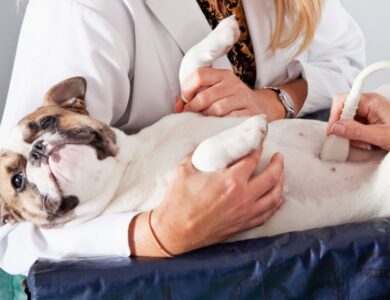
Understanding Pain Management Options for Pets


Understanding Pain Management Options for Pets
A Comprehensive Guide to Understanding Pain Management Options for Pets
The weight of a beloved pet’s discomfort can feel unbearable. When your furry companion seems withdrawn, moves stiffly, or reacts with exaggerated pain to routine touch, the uncertainty can be deeply frightening. It is one of the most heart-wrenching experiences a pet owner faces—the worry that something hurts, but you cannot pinpoint what it is, or how to fix it. Please know that recognizing and addressing pet pain is not just about managing symptoms; it’s about improving the quality of life for your entire family.
Pain in pets is complex because they often mask their discomfort reflexively, taught by instinctual wiring that tells them to endure suffering to please their owners. This can lead to chronic, undiagnosed pain that drastically lowers mobility and happiness. Understanding modern veterinary approaches—from targeted diagnostics to multimodal treatments—is the first step toward giving your pet the comfort and freedom of movement they deserve.
Recognizing Pain: Why Observation is Key
The most challenging aspect of canine or feline pain management is that we are often reliant on non-verbal cues. Pain does not always manifest as a howl; it can be subtle, insidious, and progressive. Recognizing the early signs requires both observation skills and an understanding of what ‘normal’ behavior looks like for your specific animal.
Signs to look out for include:
- Behavioral Changes: Increased whining or sighing when moving, reluctance to jump onto furniture, or withdrawing from play.
- Physical Signs: Guarding an area (limping, refusing weight bearing), panting excessively after minimal activity, or changes in posture that look rigid or strained.
- Sleep Changes: Being unusually restless at night or adopting awkward sleeping positions.
Sudden, dramatic weakness in all four limbs (paralysis), inability to stand or walk after minor trauma, rapid breathing combined with obvious distress, or severe changes in appetite/vomiting that persist for more than 24 hours.
The Pillars of Pain Management: Diagnostics and Diagnosis
Effective pain management cannot be achieved solely through medication; it requires a precise diagnosis. Our veterinarians use advanced tools to pinpoint the source and severity of discomfort, moving beyond simple assumption.
Diagnostical techniques often include comprehensive physical exams, blood work (to rule out systemic inflammation), radiography (X-rays) for bone structure issues, and sometimes ultrasound or MRI/CT scans for visualizing soft tissues like ligaments and discs. The goal is to move from “my dog hurts” to “your dog has degenerative joint disease (DJD) in the left hip requiring X therapy.”
Chronic pain, especially in older pets, can create a vicious cycle. The physical discomfort causes reduced activity, and the resulting inactivity leads to muscle atrophy and stiffness, making the original source of pain feel much worse.
Pharmacological Options: Medications that Matter
Veterinary medicine offers several classes of medications, and management is often multimodal—meaning multiple types of drugs are used in combination rather than relying on one single agent.
1. Non-Steroidal Anti-inflammatory Drugs (NSAIDs): These are cornerstone medications for managing inflammation associated with arthritis or injury. They work by inhibiting the production of inflammatory chemicals at the site of pain and swelling. Strict adherence to dosage and duration is mandatory to prevent gastric ulcers or kidney damage.
2. Analgesics/Opioids: Used primarily for acute, severe pain (like post-surgery or after a significant injury). These agents interact with opioid receptors in the body’s nervous system to block pain signals. They are powerful but require careful monitoring and short courses due to potential side effects like sedation or nausea.
3. Adjunctive Medications: This group includes things like gabapentin, which helps calm nerve inflammation, or corticosteroids, used sparingly and only under vet supervision because they can suppress the immune system. Choosing the right combination requires balancing effectiveness with minimizing systemic side effects.
Multimodal Care and Supportive Therapies
For chronic pain, drugs are essential but rarely sufficient on their own. True comfort comes from a comprehensive plan that includes physical therapy and lifestyle modifications. These non-pharmaceutical approaches help restore function and manage underlying causes.
Physical Rehabilitation: This may involve underwater treadmill exercises, controlled resistance training, or therapeutic laser therapy. A vet-approved rehabilitation program strengthens supportive muscles around painful joints, improving overall mobility and reducing the burden on damaged areas.
Pain Management Devices: Controlled-rate canine/feline transdermal pain patches can provide localized relief for chronic issues over extended periods without constant medication administration. Similarly, joint supplements (like glucosamine or chondroitin) support cartilage health, though evidence of their efficacy varies and they should complement, not replace, medical treatment.
When starting a new pain protocol, gradually adjust activity levels. Never allow your pet to suddenly transition from being immobile to running laps. Increasing exercise volume slowly minimizes the risk of flare-ups and overstressing healing joints.
Visualizing Pain Sources: Relative Impact Comparison
Understanding the severity and common source areas can help predict which pain management strategies will be most effective for a specific pet population or condition.
Extreme
High
Severe
Medium
Moderate
Chronic Pain Management Strategies
For pets with chronic pain—such as advanced arthritis or nerve entrapments—the goal shifts from a ‘cure’ to maximum achievable comfort. This requires the most comprehensive and long-term plan. Medications, like combination NSAIDs/gabapentin regimens, will be foundational, but they must be paired with environmental modifications (ramps for stairs), diet management, controlled activity levels, and regular physical therapy assessments. Consistency is vital; owners must commit to routines of medication administration and supportive care year after year.
The perception of pain is highly individual and involves multiple neurological pathways. Pain can be physical, emotional (grief after loss), or psychological. A holistic approach addressing mental stimulation alongside joint care often yields the best long-term results.
Addressing the Roots: Lifestyle and Environment
Many chronic aches are exacerbated by poor lifestyle choices or environment. Addressing these non-medical factors is crucial for sustaining pain relief gains. This includes weight management (excess body mass severely stresses joints), maintaining optimal nutrition, and ensuring a supportive home environment that minimizes jumping and hard landings.
Regular veterinary weight checks are paramount. Even a small, sustained increase in pet body weight can dramatically worsen arthritis and joint pain over time due to increased mechanical stress on the skeletal system.
Real-World Scenarios
Understanding how these principles apply clinically helps ground the knowledge base. These scenarios reflect common presentations seen by veterinary teams:
1. A golden retriever owner noticed slight stiffness in the morning after a period of decreased outdoor activity. The initial physical exam suggested generalized ligament laxity, leading to a diagnosis of early-stage hip and elbow dysplasia. Management began with controlled anti-inflammatory joint supplements and gentle home resistance exercises, avoiding high-impact activities altogether.
2. A cat owner presented an older Siamese who was suddenly refusing to jump onto the back of the couch or climb stairs. Diagnostics revealed significant chronic pain associated with spinal degenerative disc disease (IVDD). The treatment plan centered on maintaining core strength through low-impact indoor physiotherapy and prescribed nerve-calming medications, coupled with ramp installation in the home.
3. A mixed-breed dog was brought in after a minor fall, exhibiting clear lameness in the right hind leg. Initial pain control focused heavily on NSAIDs for acute inflammation and rest. After diagnostics ruled out fracture, physical therapy began to restore muscle support, gradually allowing controlled weight bearing as the joint tissue healed over several weeks.
Effective pet pain management is never about single treatments, but rather a continuous, personalized effort utilizing physical adjustments, targeted medications, and proactive owner involvement to maximize quality of life.
Related Topics
If you are exploring general pet care in specific areas or need guidance on routine veterinary practices, these resources may be helpful:
- Guide to All 7 Pet Shops in Americana, SP, Brazil
- Veterinary Clinic: The Local Reference in Bauru, SP, Brazil
- When Should You Spay or Neuter Your Dog?
- Explore all 2 Pet Shops in Itapecerica da Serra, SP, Brazil!
- Guide to All 3 Veterinary Clinics in Jandira, SP, Brazil. Learn More!
- Guide to All 7 Pet Shops in Piracicaba, SP, Brazil, Check It Out Now!
- Legislação na Saúde Animal — Guia Animal (Brazil, in Portuguese)
- Guia das Raças de cachorros — Guia Animal (Brazil, in Portuguese)
- Gatos — Guia Animal (Brazil, in Portuguese)
Frequently Asked Questions about Pet Pain
How long does chronic pain management take to show results?
Management is a marathon, not a sprint. While some relief may be noticed after the first few weeks of medication or therapy, managing chronic conditions like arthritis requires months—often over a year—to establish noticeable, sustained improvements in comfort and mobility.
Can pain management be treated only with supplements?
Supplements are excellent supportive tools for overall joint health and inflammation, but they should never replace prescribed medication. Severe or acute pain often requires pharmaceuticals (like NSAIDs or opioids) because the issue is mechanical or neurochemical, not just nutritional.
What is the difference between stiffness and true pain?
Stiffness usually improves with gentle, consistent movement (like a warm bath or a short walk) and is often related to muscle atrophy. True pain, however, can cause guarding of the limb, excessive facial expressions of discomfort when touched, or increased reaction force when initiating movement.
Are pain management medications dangerous for cats?
Cats metabolize drugs differently than dogs. Many human or dog NSAIDs are considered nephrotoxic (damaging to the kidneys) in cats. If a cat needs anti-inflammatory medication, specialized feline formulations must be used under strict veterinary supervision.
Does weight loss help manage pain?
Yes, significantly. Losing even a moderate amount of body weight dramatically reduces the mechanical load on joints like hips and knees, which can decrease chronic discomfort and improve mobility faster than most non-surgical treatments.
Should I expect my pet to be comfortable forever?
For chronic conditions, the goal is not a return to “pre-pain” comfort but maintaining the highest possible quality of life. This involves constant adjustments—changing medications, modifying diet, or adjusting therapy—to keep pain levels as low as possible.
When discussing your pet’s discomfort with your veterinarian, bring detailed records of their behavior, especially noting which activities increase distress versus those that provide calm. By being a highly informed advocate and participating actively in the treatment plan, you greatly increase your chances of achieving meaningful relief for your companion.
Keywords: pet pain management, canine arthritis care, feline joint pain, veterinary analgesia, multimodal pet medicine, hip dysplasia treatment, chronic pet pain, NSAIDs for dogs, pet physical therapy, end-of-life comfort care