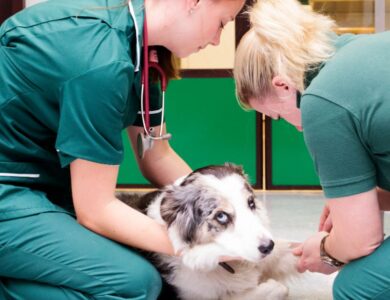


How Much Exercise Does My Dog Need?
Optimal Dog Exercise: Determining How Much Physical Activity Your Canine Companion Needs
As a pet owner, there are countless things you worry about—diet, grooming, dental health, and yes, exercise. When your dog finally gets back to you after a long day out, running up to greet you with unrestrained joy, it’s easy to assume that *more* activity always equals *better* health. But canine exercise is not one-size-fits-all; the optimal routine changes drastically based on age, breed, weight, and overall fitness level.
If you are wondering if your playful puppy needs intense fetch sessions or if your elderly Labrador simply requires a gentle stroll around the block, please know that this confusion is incredibly common. We understand the anxiety of not knowing if you are doing enough—or too much—for your dog’s long-term comfort and happiness. This comprehensive guide will walk you through the veterinary science behind canine physical fitness, helping you build a sustainable routine that keeps both you and your best friend healthy and thriving for years to come.
Understanding Canine Energy Needs: It’s More Than Just Walking
The concept of “exercise” for dogs needs to be broadened beyond simple walking. True canine physical wellness encompasses cardiovascular work, muscular endurance, mental stimulation, and joint support. A routine that is too monotonous or too intense can actually contribute to orthopedic issues.
Dogs are naturally designed to be endurance runners. Their build, joint structure, and even their gait suggest a need for sustained, moderate-to-high intensity activity rather than sudden bursts of all-out sprinting alone.
Vets recommend incorporating diverse activities—like structured playtime (fetch), controlled high-impact play (running in a fenced area), and low-impact maintenance walks. For most healthy adult dogs, the goal is to achieve at least 30 to 60 minutes of varied activity daily, but this figure is highly generalized.
The Impact of Age and Life Stage
A puppy’s needs are vastly different from those of a senior dog. Puppies require controlled, playful activity focused on building muscle memory and social skills, while seniors prioritize joint health, low-impact movement, and maintaining weight.
High
Medium-High
Low
>
Puppy Power: The intense activity of a puppy is crucial for developing optimal gait and physical confidence, but this must be supervised closely to prevent joint strain.
Adult Maintenance: Most adult dogs thrive on consistent routine. Consistency is key—a brisk walk every day is more beneficial than an exhausting marathon once a week.
Instead of focusing solely on mileage, structure your walk with varied activities like sniff-time (mental stimulation), short play breaks, and slow, deliberate leash walking to maintain joint comfort.
The Role of Breed and Body Composition
Breed genetics play a huge role in determining natural energy levels and physical predispositions. A Husky, for example, has an innate need for high-intensity running that is unlike the needs of a sturdy Beagle or a placid Bulldog.
Furthermore, body composition is critical. Dogs that are overweight require *less* intense exercise but must be consistent with low-impact activity to protect their joints and cardiovascular system. Obesity significantly elevates the risk of osteoarthritis and joint dysplasia.
Limping that worsens quickly, severe difficulty breathing during light activity (dyspnea), or rapid weight loss coupled with lethargy.
Mental Enrichment is Exercise Too
Many owners mistakenly focus only on physical exertion. However, canine intelligence and mental engagement are just as vital to prevent behavioral issues like excessive barking or destructive chewing.
Mental enrichment means challenging the dog’s brain. This can include structured play (like puzzle toys), training sessions, learning new tricks, and scent work. A tired mind often results in a calmer body.
Learning a new command or solving a puzzle toy can give your dog the mental equivalent of several minutes of physical exercise, releasing neurochemicals that promote calm and focus.
Making Exercise Routine Sustainable for the Whole Family
The most important part of a successful exercise routine is one that you, as the owner, can stick to. It needs to be integrated into your daily life rather than feeling like another chore.
Break up long walks with short, indoor “sniff parties” or fetch games during bad weather days to maintain mental and physical engagement even when the routine changes.
Real-World Scenarios
Scenario 1: The Hyperactive Adult Dog
A dog that is generally healthy but receives minimal structured exercise often develops mild anxiety and high arousal levels. Instead of increasing pure running time, the owner should focus on mandatory daily puzzle feeders combined with a moderate outdoor walk to redirect excess energy productively.
Scenario 2: The Dog with Early Arthritis
A dog showing signs of mild hip discomfort must avoid all high-impact jumping or sudden bursts of speed. Veterinary advice recommends alternating between controlled swimming (the best low-impact workout) and short, even strolls on soft grass to maintain joint mobility without exacerbating pain.
Scenario 3: The Indoor Companion
A dog who lives primarily inside and gets limited outdoor time can develop muscle atrophy and behavioral vacuuming (excessive indoor chewing). The strategy here is twofold: adding scheduled, intense playtime in a secure play yard *and* incorporating structured obedience work to provide mental outlet.
Optimal dog exercise is defined by *variety* and *consistency*, not sheer duration. A balanced routine must integrate physical activity, mental stimulation, and low-impact joint maintenance regardless of the dog’s age or breed.
Related Topics for Continued Care
Maintaining peak health requires considering all aspects of canine wellness. If you want to learn more about specific care areas, these linked resources can provide valuable depth:
- Understanding Common Skin Conditions Across Species
- Why Is My Dog’s Nose Dry? Does It Mean They’re Sick?
- Understanding Heartworm Disease and Prevention
- How Often Should Rabbits See the Vet?
- Why Does My Cat Sneeze So Often?
- Understanding Pet Dental Cleanings Under Anesthesia
🐶 Frequently Asked Questions About Dog Exercise 🐩
Do all dogs need the same amount of exercise regardless of breed?
No. While general guidelines exist, a Husky has vastly different energy needs than a Bulldog. Always consult your vet regarding specific breed predispositions and tailor the activity level to the dog’s current physical condition.
What is the best exercise for a senior dog with hip dysplasia?
Low-impact aquatic activities, such as swimming or hydrotherapy, are often recommended. These environments support buoyancy, taking pressure off painful joints while allowing muscle strengthening.
Can exercise help with dog weight loss?
Yes, but it must be paired with proper nutrition. Exercise burns calories and builds lean muscle mass, but dietary control is equally—if not more—important for achieving a healthy body condition score.
Is running too hard for my dog?
It depends. If your dog is overweight, has joint issues, or lacks cardiovascular fitness, excessive or sudden high-intensity running can be harmful. Gradual conditioning and vet clearance are always necessary first steps.
How often should I exercise my dog?
Consistency is more important than sporadic effort. Aim for at least one to two scheduled, moderate activity periods daily that integrate movement (walks) and mental work (training/play).
What counts as mental exercise for a dog?
Scent work (allowing the dog to sniff and find hidden objects), training in new tricks, or using puzzle feeders that require problem-solving are excellent ways to tire out their brains.
Remember, exercise is a partnership. By respecting your dog’s individual physical limitations and ensuring variety in activities, you aren’t just preventing illness—you are strengthening the unbreakable bond built on shared adventure.
Keywords: dog exercise needs, canine fitness routine, puppy activity guidelines, senior dog exercise, low impact dog workout, mental stimulation for dogs, best way to walk a dog, breed specific exercise, joint health for dogs, consistent pet activity, preventing dog obesity, cognitive enrichment pets, daily dog routine, vet recommended exercise, high energy dog activities