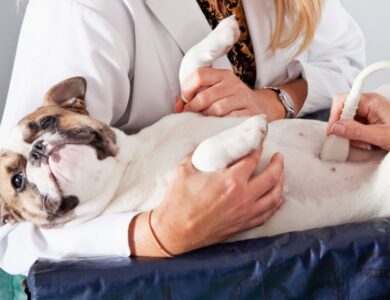
Understanding Antifreeze Poisoning in Pets — A Hidden Danger


Understanding Antifreeze Poisoning in Pets — A Hidden Danger
Ethylene Glycol Toxicity: Everything Owners Need to Know About Antifreeze Poisoning in Pets
When a worrying smell or sight sends an electric jolt of panic through you—a small spill, a contaminated area, or a liquid your pet has gained access to—the worst fear for any loving pet owner is that their companion may have ingested a potent toxin. The mere possibility can trigger overwhelming anxiety and dread. Antifreeze poisoning, caused by ethylene glycol (EG), presents one of the most insidious and urgent dangers in pet health because its effects are not immediately obvious; they are a slow-burning chemical catastrophe for internal organs.
Understanding this danger is the first critical step toward protection. Ethylene glycol is not just “antifreeze”—it is a highly toxic industrial chemical found in many coolant fluids, screen door weather strips, and certain de-icer products. This article is designed to equip you with authoritative knowledge, allowing you to recognize the signs of exposure quickly and know exactly what steps to take when time is of the absolute essence. Never assume contamination isn’t possible; always treat these spills as emergencies.
What Exactly Is Ethylene Glycol and Why Is It So Dangerous?
Ethylene glycol (EG) itself is relatively non-toxic, but its metabolism in the body rapidly converts it into three highly toxic substances: formate, oxalate, and glycolic acid. The true danger lies not with the initial substance, but with how your pet’s liver processes it. These resulting metabolites are profoundly damaging to soft tissues, especially the kidneys, leading to rapid, acute failure.
The primary targets of ethylene glycol toxicity are the kidneys and the central nervous system. The resulting metabolic byproducts lead to severe crystal deposition (oxalate crystals) within the renal tubules, causing blockage and rapid tissue necrosis.
Unlike some poisons that cause instant distress or visible gastrointestinal upset, EG poisoning can initially mimic simple gastroenteritis. This delayed onset of overt symptoms makes it incredibly difficult for owners and even sometimes general practitioners to diagnose without specific veterinary testing. Time is measured in minutes when dealing with this poison.
Recognizing the Signs: From Subtle Changes to Crisis
Because early signs are vague, vigilance from the owner is paramount. Initial poisoning can manifest as increased thirst (polydipsia) and vomiting. As the toxicity progresses, more distinct neurological and systemic issues emerge, signaling kidney failure and metabolic distress.
Vomiting (especially after exposure), extreme lethargy or weakness, difficulty breathing, staggering gait (“wobbly”), excessive drooling, dilated pupils, or visible signs of labored breathing.
The Pathophysiology of Kidney Failure
If left untreated, the damage to the kidneys is progressive and devastating. The oxalate crystals deposit in the tubules, leading to an inability for the pet to filter waste products (uremia). Other signs of failure include pale gums, abdominal pain, excessive urination (polyuria), and eventually collapse due to electrolyte imbalance.
Advanced poisoning can lead to metabolic acidosis, meaning the blood pH drops dangerously low. This systemic imbalance affects virtually every organ system and contributes significantly to cardiovascular collapse.
Veterinary Diagnosis and Life-Saving Treatment
Immediate veterinary intervention is non-negotiable. Your vet will prioritize stabilizing your pet and reversing the poison’s effects. The treatment protocol typically involves several steps: controlling vomiting, managing hydration levels (IV fluids), administering antidotes, and often starting dialysis or other renal support measures if kidney function has severely declined.
If you suspect poisoning but are delayed, bring the pet to a veterinary emergency facility immediately. Do not wait for clear symptoms; prompt diagnosis is everything.
Risk Assessment and Sources of Contamination
Contamination can come from many unexpected sources. It is crucial to understand which environmental factors increase the risk:
High
High
Medium
Very High
>
Preventing Poisoning at Home: Securing Your Environment
Prevention is the absolute best defense. You must treat every storage container of automotive or industrial liquid as a potential hazard zone. Educate yourself and your household members on proper storage.
Always store all liquid chemicals (coolants, de-icers, antifreeze) in securely locked cabinets or outside areas that are completely inaccessible to pets and children. Never leave pet play areas unsupervised near car care products.
Real-World Scenarios
To help prepare you for common emergency presentations, consider these illustrative clinical scenarios:
Scenario 1 (The Outdoor Spill): A dog is brought in after playing near a discarded puddle of colorful liquid runoff from a parked vehicle. The owner suspects antifreeze. Initial bloodwork shows mild kidney function changes, and immediate fluid therapy was administered to combat early oxalate build-up.
Scenario 2 (The Curious Puppy): A young puppy is found chewing on the plastic casing of an emptied coolant bottle stored in a basement. Symptoms included profound vomiting, excessive drooling, and marked central nervous system signs like incoordination. Aggressive supportive care was needed to stabilize blood electrolytes.
Scenario 3 (The Accidental Cleanout): A cat has ingested a small amount of cleaner runoff used by human residents near the patio. The presenting symptoms were initially subtle—mild lethargy and increased thirst. Diagnosis required testing for multiple toxins, successfully ruling out acute kidney injury from ethylene glycol.
Never wait for obvious, dramatic symptoms. Due to the progressive nature of kidney damage from ethylene glycol, any exposure or suspected ingestion requires immediate veterinary evaluation and testing.
Related Topics
If you have other general pet health questions that might relate to your companion’s well-being, these resources can provide valuable supplementary information:
- Why Does My Dog Drag Its Bottom on the Floor? (Learn about potential musculoskeletal issues that might present as dragging.)
- Understanding Laminitis in Horses (A deep dive into lameness and hoof health specific to equine care.)
- How to Support a Pet Recovering From Surgery At Home (Guidelines for post-operative recovery at home and monitoring signs of infection or distress.)
- Understanding Fear and Anxiety in Dogs During Storms (Tips on behavior modification and creating a safe environment during unpredictable weather events.)
- Why Is My Dog Drinking So Much Water? (Understanding excessive thirst, which can signal multiple underlying issues like kidney or metabolic problems.)
- Discover the 2 Veterinary Clinics in Quixadá CE | Guide & Directory! (A local resource for finding professional veterinary care.)
- Legislação na Saúde Animal — Guia Animal (Brazil, in Portuguese)
- Guia das Raças de cachorros — Guia Animal (Brazil, in Portuguese)
- Gatos — Guia Animal (Brazil, in Portuguese)
Frequently Asked Questions (FAQ)
Can I treat antifreeze poisoning at home?
Absolutely not. Ethylene glycol toxicity requires rapid, professional veterinary intervention, often involving specialized antidotes (like fomepizole) and intensive care management to stabilize kidney function.
What are the safest alternatives to antifreeze for cooling systems?
Many modern liquid coolants use non-toxic glycols and other proprietary mixes that contain much lower levels of ethylene glycol. Always read the Safety Data Sheet (SDS) or packaging label before using any coolant near pets.
Does consuming contaminated ice pose a risk?
Yes. If the water or ice was sourced from an area containing coolant residue (such as near car workshops or leaky pipes), it could potentially be tainted, though this is rare and requires specialized testing.
How long does it take for the poisoning to become severe?
The onset of acute symptoms can be deceptively gradual, taking several hours. The kidney damage and metabolic acidosis worsen over time, which is why early intervention is critical.
Are there any pet foods or household items that are also toxic?
Many common chemicals can be highly toxic. Besides EG, others include methanol (found in some cleaners) and certain ingestible plant toxins. Always assume unknown liquids found near pets should be treated as potential poisons.
Is there a cure for severe ethylene glycol poisoning?
While there is no single quick cure, modern veterinary medicine employs highly effective supportive care, antidotes, and methods like hemodialysis which significantly increases the chance of survival if treatment begins quickly.
If you live in a climate that requires coolant use, please establish clear chemical storage protocols immediately. Keep all liquids locked away and supervise your pets rigorously when cars are maintained or repaired.
Keywords: antifreeze poisoning, ethylene glycol toxicity, pet poisoning, veterinary emergency, kidney failure in pets, toxic coolants, dog poisoning symptoms, cat poison help, metabolic acidosis, veterinary first aid, anti-antifreeze protocol, coolant spill danger, ethylene glycol antidote, pet health guide, vet clinic safety, poison prevention for dogs, treating oxalate crystals, toxicology for pets, canine emergencies