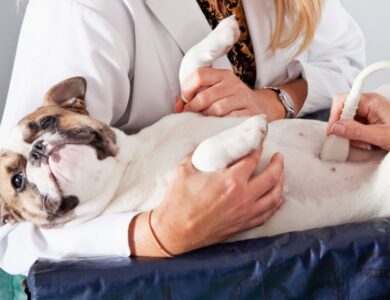
How Often Should Cats Visit the Vet?

How Often Should Cats Visit the Vet?
The Definitive Guide to Cat Wellness Visits: How Often Should Your Cat See the Vet?
If you’ve ever found yourself late at night, staring at your sleeping cat while worrying about their health, you are not alone. As devoted pet owners, we often treat our felines as miniature members of the family—true confidantes that bring warmth and joy into our lives. It is natural to feel a deep sense of urgency when something seems slightly “off” with them.
Because cats are masters of stealth, they are also experts at hiding pain or discomfort until it becomes an obvious emergency. This silent nature often leads to owners asking the fundamental, but complex, question: How often is “often enough”? The truth is that there is no single answer for every cat, as required care hinges entirely on their age, lifestyle, underlying health conditions, and genetic predisposition. Understanding these nuanced variables is the key to keeping your feline companion safe and healthy for years to come.
Understanding Preventive Care Milestones by Life Stage
The frequency of vet visits must be correlated with the cat’s stage of life. Preventative medicine is not a one-size-fits-all schedule, but rather a roadmap that evolves as your cat grows, ages, and faces new environmental challenges. We generally segment feline care into three primary groups: kittens/juveniles, adult cats, and senior/geriatric cats.
1. Kittenhood (Birth to 1 Year)
This period is the most intense for veterinary intervention. Visits are frequent—often weekly or bi-weekly—to ensure vaccinations are administered promptly, deworming schedules are maintained, and crucial developmental milestones are met. The focus here is rapidly building a strong immune system.
2. Adult Cats (1 to 7 Years)
For healthy indoor adult cats with no existing conditions, most veterinarians recommend an annual comprehensive wellness exam. This visit is crucial not just for a physical checkup but also for collecting baseline data that establishes your cat’s ‘normal.’ During this exam, the vet will review pet history, run necessary blood work (like CBC and chemistry panels), and check key metrics like thyroid levels.
Cats often mask signs of pain (such as arthritis or dental discomfort) until the condition is severe. Because they are naturally stoic hunters, early detection requires vigilance from both owners and veterinarians, making regular blood work essential for identifying systemic issues before symptoms appear.
3. Senior Cats (7 Years and Older)
The frequency of visits should increase significantly here. A simple annual checkup may no longer be sufficient, especially if your cat is exhibiting any subtle behavioral or physical changes. In many cases, geriatric cats require semi-annual (every six months) wellness exams and more comprehensive blood work to monitor age-related decline in organs like the kidneys and liver, or to catch early signs of endocrine disorders.
Annually
Every 6 Months
As Recommended (3-6 Monthly)
Adjusting Frequency Based on Lifestyle and Health Risk
While age is the primary determinant, a cat’s environment introduces significant variables. We must adjust our visit frequency based on risk exposure. This includes outdoor access, underlying metabolic conditions, or managing severe weight issues.
If your cat is frequently exposed to outdoor pathogens or potential toxins (e.g., yard chemicals, other pets), ask your veterinarian about boosters for core vaccines, regardless of how “normal” the routine seems.
Indoor vs. Outdoor Cats
The difference in required care between a purely indoor cat and an outdoor adventurer cannot be overstated. Indoor cats primarily face risks related to nutritional deficiencies or environmental boredom, while outdoor cats face significant threats from zoonotic diseases (illnesses transmissible to humans), toxicity, injuries, and malnutrition.
Chronic Health Conditions
If your cat has been diagnosed with chronic conditions—such as chronic kidney disease, severe dental plaque buildup (periodontal disease), or diabetes—the monitoring required dramatically increases. The vet visits become critical for adjusting medication dosages, performing detailed diagnostics (like urinalysis and blood chemistry), and managing complications before they progress to an emergency.
Vomiting or diarrhea lasting more than 24 hours, difficulty breathing (open-mouthed panting), sudden change in litter box habits (e.g., straining without urine visible), and lethargy accompanied by loss of coordination.
The Critical Role of Diagnostics Beyond the Physical Exam
Many owners assume that a thorough physical examination is sufficient. While hands-on assessment remains paramount, modern veterinary care relies heavily on blood work and urinalysis to detect subtle health shifts long before they manifest visibly.
Blood Work (CBC/Chem Panel)
A Complete Blood Count (CBC) measures the number of red and white blood cells, indicating potential anemia or infection. The Chemistry Panel looks at liver enzymes (ALT, ALP), kidney function markers (Creatinine, BUN), and glucose levels. Establishing these baseline metrics every 1-2 years provides a benchmark against which future results can be accurately compared.
Urinalysis
This simple test is invaluable for screening urinary tract issues, including kidney stones (calculi), crystals, and signs of early chronic urinary infection. Since feline lower urinary tract disease can be silent and progress rapidly, annual urinalysis is a vital component of senior care.
The risk of urinary tract infections (UTIs) in male cats is significantly higher, often being related to an underlying structural issue like a urethral obstruction, which can be life-threatening and requires immediate intervention.
Recognizing Subtle Changes (The Owner’s Role)
Sometimes, the most important vet visits are those prompted by an owner noticing something seemingly minor. Cats can subtly decline over time—a small change in appetite, a slightly higher scratching at the litter box corner, or reduced activity levels.
When in doubt, book the visit. It is always better to have a vet perform a comprehensive checkup when nothing seems wrong than to wait until an issue becomes acutely noticeable.
Real-World Scenarios
Scenario 1: The Subclinical Diabetic Cat
A routine annual physical exam revealed slightly elevated blood glucose levels that were previously normal. Because the owner noticed mild polyuria (increased urination) in the weeks leading up to the visit, the vet ordered further tests. This early detection allowed for dietary changes and insulin management before the cat developed overt signs of dehydration or kidney damage.
Scenario 2: The Overlooked Dental Problem
A well-behaved, seemingly healthy adult cat presented with a sudden chronic mouth odor and minor reluctance to groom itself. Although the cat was otherwise active, the vet discovered moderate generalized periodontal disease that had begun affecting systemic health. Without this dental assessment, plaque buildup could have silently contributed to kidney impairment.
Scenario 3: The Indoor Cat with Unknown Risks
An indoor senior cat was flagged for a semi-annual visit. During the exam, bloodwork showed slightly elevated levels of feline hormone (e.g., hyperthyroidism). While never exposed to outside pathogens, the hormonal imbalance required prompt detection and management—a process that would have been missed if only annual visits were performed.
Considering Nutritional Support and Supplements
Visits to the vet are also crucial for nutritional advice. Diet plays a massive role in everything from weight management and managing severe skin allergies to controlling diabetes. The veterinarian can evaluate your cat’s current diet, taking into account their life stage and any deficiencies identified during blood work (such as low levels of certain amino acids or specific vitamin groups). Making sure the nutrition aligns with preventive care plans is vital for long-term wellness.
Keep a detailed log of your cat’s eating habits, urination/defecation consistency, and any behavioral changes. This structured information is gold for the vet during your appointment.
Key Takeaways
Never rely solely on annual checkups. The optimal visit frequency is dynamic and must be adjusted based on your cat’s age, physical condition, exposure risk, and specific medical history.
Related Topics
To assist you further in navigating comprehensive pet care options:
- Guide to All 11 Veterinary Clinics in Angra dos Reis RJ: Discover Them Today!
- Guide to All 15 Veterinary Clinics in Belo Horizonte MG
- Discover all 32 Veterinary Clinics in Maricá RJ Today!
- The Ultimate Guide to All 15 Veterinary Clinics in Belém PA: Learn More!
- Complete Guide to All 15 Veterinary Clinics in Goiânia GO
- Guide to All 31 Veterinary Clinics in Duque de Caxias RJ
- Legislação na Saúde Animal — Guia Animal (Brazil, in Portuguese)
- Guia das Raças de cachorros — Guia Animal (Brazil, in Portuguese)
- Gatos — Guia Animal (Brazil, in Portuguese)
Frequently Asked Questions About Cat Vet Visits
Should I worry if my cat seems healthy and only has annual visits?
Even seemingly perfect cats require routine blood work. Annual exams help establish a biological baseline, allowing the vet to detect subtle deviations in liver, kidney, or endocrine function (like thyroid issues) long before you see physical symptoms.
Do cats need dental cleanings regularly?
While professional cleaning isn’t always necessary, regular periodontal assessment is vital. Tartar buildup can lead to systemic infections and significantly contribute to kidney disease, making vet evaluation crucial.
How often should I expect preventative vaccines?
Vaccination schedules depend on vaccination type and local disease prevalence. For routine indoor cats, core vaccinations are needed yearly or every three years as recommended by your specific vet.
What changes signal that my cat needs a more frequent visit?
Any sustained change in behavior (hiding, aggression), appetite reduction, difficulty accessing the litter box, or unexpected weight loss requires an immediate appointment to investigate potential underlying issues.
What do ‘senior’ cat preventative visits entail?
Senior visits focus heavily on screening for common age-related issues, including kidney disease, thyroid dysfunction (hyperthyroidism), and cardiovascular concerns. Blood work is the cornerstone of this care.
Is pet insurance relevant to vet visit frequency?
While not directly related to preventative scheduling, considering pet insurance can mitigate the financial stress of sudden or unexpected health crises that might prompt an urgent vet visit.
Remember that your bond with your cat is irreplaceable, and their quality of life depends heavily on proactive care. The best way to ensure they remain comfortable and healthy is by viewing those vet visits not as appointments for sickness, but as comprehensive wellness reviews designed to catch the invisible signs of decline early.
Always communicate openly with your veterinarian about any perceived change in your cat’s routine. A thorough history from the owner is often the most valuable diagnostic tool available.
Keywords: how often should cats visit vet, feline wellness visits frequency, preventative care for cats, senior cat checkups, annual kitten exams, veterinary best practices, pet health schedule, feline preventive medicine, blood work for cats, cat routine physical exam