Puppy Vaccination Schedule: What to Expect

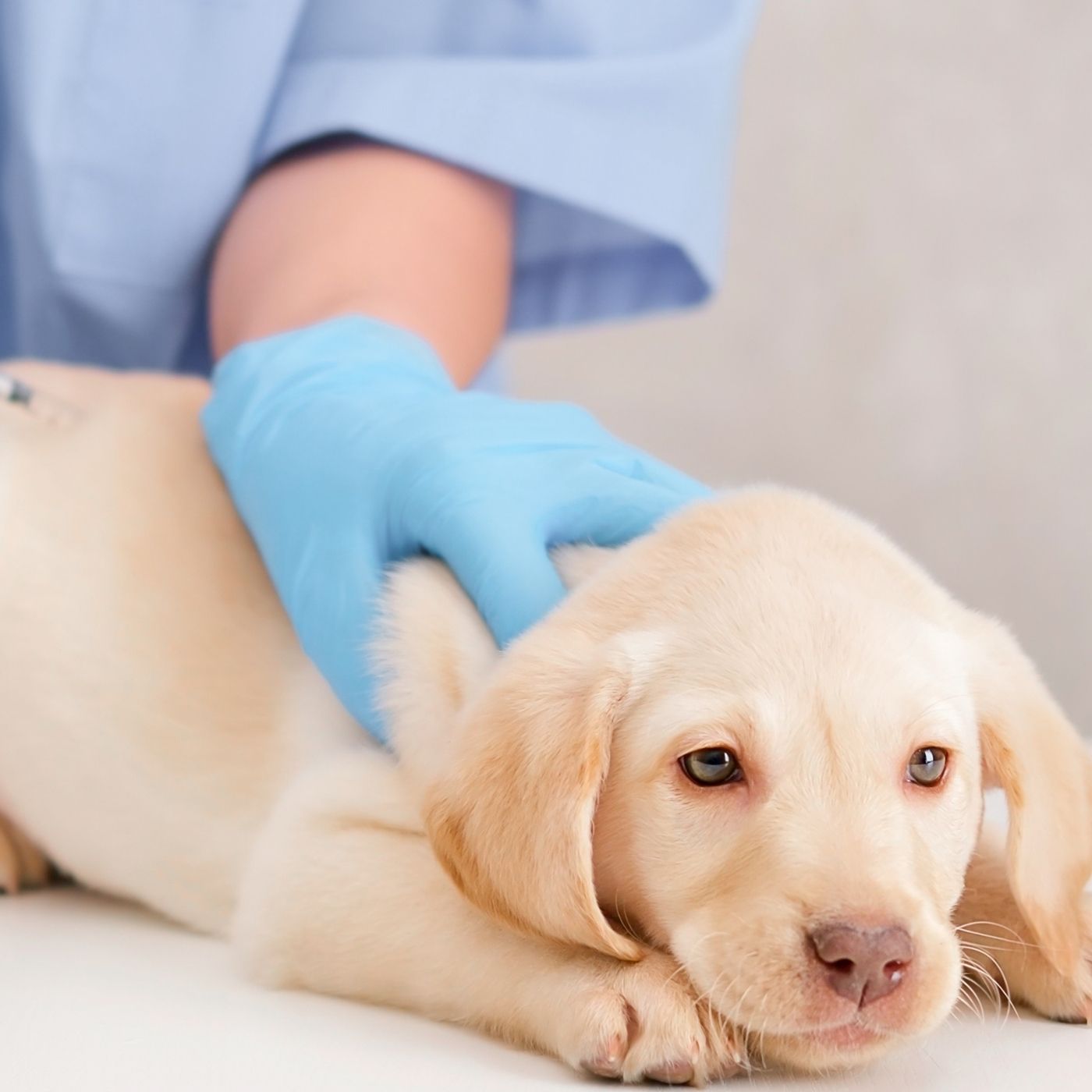
Puppy Vaccination Schedule: What to Expect
The Ultimate Guide to Puppy Vaccinations: What Owners Must Know
As a devoted pet owner, you pour your heart into every detail of your puppy’s life—from the perfect chew toy selection to their first playful tumble in the yard. It is completely normal to feel a wave of anxiety or uncertainty when talking about vaccinations. You want the best for your puppy, and sometimes the complexity of the schedule and terminology can feel overwhelming. Please know that feeling concerned means you are an incredibly thoughtful caregiver.
Vaccinations might seem like just another required visit to the vet, but they are perhaps one of the single most profound acts of preventative care you can give your puppy. They don’t just protect against illness—they establish a foundational shield that allows your puppy to explore, play, and thrive confidently in the world around them. This comprehensive guide is designed to demystify the process, explain the science behind the shots, and help you feel prepared and confident before every appointment.
The Science of Immunity: Why Vaccinations Work
Before diving into the schedule, it is crucial to understand what immunity actually means and how vaccines help build it. Vaccines do not provide instant protection; instead, they are sophisticated training tools for your puppy’s immune system.
Think of your pet’s body as a castle under siege. When the puppy is exposed to a pathogen (a germ that causes disease), the immune system launches a chaotic defense using various resources, some of which might fail or be slow to mobilize. A vaccine, however, delivers only a harmless component—an antigen—of that pathogen. This acts like a “wanted poster” for the germ.
Vaccinations stimulate the production of antibodies (Y-shaped proteins) and T-cells. These cells remember the threat, meaning if your puppy encounters the real pathogen later, their immune system can mount a rapid, overwhelming defense before symptoms even appear.
Understanding the Vaccination Schedule and Timing
The timing of your puppy’s shots is highly structured by veterinary science because immunity needs time to mature. The schedule usually involves a series of boosters (called the primary series) over several months, which gradually build strength until “full immunity” is achieved.
Veterinarians typically recommend starting vaccines around 6 weeks old and continuing every three to four weeks for the first year. This pattern ensures that immunity is established when the puppy reaches critical developmental milestones, maximizing safety and effectiveness.
Very High
Very High
High
Medium
High
Core Vaccines vs. Lifestyle/Risk-Based Boosters
Vaccines are generally categorized into two groups: core vaccines and non-core (or lifestyle) vaccines. Understanding this difference helps you have informed conversations with your veterinarian about what best protects your specific puppy.
Core Vaccines protect against diseases considered vital to all dogs, regardless of their lifestyle or geographical location (e.g., Distemper and Parvovirus). These are non-negotiable for comprehensive care.
Non-Core Vaccines protect against diseases that only pose a risk based on the puppy’s lifestyle, environment, or genetics (e.g., vaccines for heartworm disease, certain parasite protection, or Lyme disease depending on local conditions). Your vet will assess these risks individually.
Keep a comprehensive vaccination record book. Every booster, date, and vaccine type administered should be meticulously logged here. This makes communicating with different veterinary providers seamless.
Crucial Puppy Health Warnings and Safety Practices
If the puppy displays persistent vomiting, severe lethargy (unresponsive or significantly less active than usual), bloody diarrhea, or if their breathing becomes labored/rapid after receiving any vaccinations.
It is common for puppies to experience mild soreness at the injection site, slight fatigue, or a little fussiness for 24 hours following shots. These reactions are typically signs that the immune system is actively responding to the vaccine and resolving naturally.
However, owners must differentiate between normal recovery symptoms and signs of severe illness. Never give any human medication to your puppy without explicit veterinary instruction. Always follow the veterinarian’s aftercare instructions for rest and monitoring.
The antibodies your puppy develops after vaccination are called artificial immunity. This contrasts with natural immunity, which is gained by surviving an actual infection, explaining why the artificial method is safer and faster.
The Importance of Continued Care After Vaccination
Vaccination does not mean the end of preventative care. In fact, it simply kicks off a routine of ongoing monitoring and maintenance.
When your puppy is fully vaccinated, continue to focus on parasite control (flea, tick, heartworm) as these risks are independent of vaccines but crucial for survival. Furthermore, remember that continued positive reinforcement training and socialization are just as vital to their overall health and development as any shot.
Consistency is everything. Always follow your veterinarian’s explicit guidance on booster timing, as skipping or delaying doses can create gaps in immunity and leave your puppy vulnerable to preventable diseases.
Real-World Scenarios
To help put this knowledge into practice, here are three composite examples of scenarios that require careful observation and veterinary guidance:
- Post-Exposure Illness: A puppy, thought to be fully vaccinated, suddenly presents with severe gastrointestinal distress after socializing at a dog park. While vaccines protect against certain threats (like Parvo), these symptoms often require immediate blood testing and supportive care to rule out acute bacterial infections or parasite infestations.
- Mismatched History: A puppy owner returns for a booster appointment but cannot locate the original vaccine record due to lost paperwork. The veterinary team must carefully cross-reference historical data with the current physical exam to determine if any doses are missing and adjust the schedule accordingly, prioritizing critical boosters first.
- The Booster Dilemma: A puppy received its initial series of shots in a different state or region than their home location. The vet needs to assess whether regional differences in local pathogens (like specific strains of kennel cough) require additional, specialized vaccines not mandated in the original area of vaccination.
If your puppy seems unwell or has unexplained symptoms after any vaccination, contact your veterinarian immediately and describe the exact nature of the symptoms. Never wait for signs to become critical.
Related Topics
For further reading and veterinary guidance, these resources may be helpful:
- Guide to All 2 Veterinary Clinics in Ibiúna, SP, Brazil (Useful if you are planning travel within the São Paulo state.)
- Guide to All 10 Veterinary Clinics in São Paulo, SP, Brazil, Check It Out Now! (A comprehensive resource for major urban areas.)
- How Often Should You Clean Your Pet’s Bedding? (Crucial for preventing skin and respiratory infections.)
- Veterinary Clinic: The Local Reference in Icó, CE, Brazil (For locating resources outside major metropolitan areas.)
- Comprehensive Guide to All 4 Veterinary Clinics in Itu, SP, Brazil (Specific local guides can be very helpful for routine care.)
- A Guide to All 65 Veterinary Clinics in Petrópolis, RJ, Brazil (For navigating dense pet care networks.)
- Legislação na Saúde Animal — Guia Animal (Brazil, in Portuguese)
- Guia das Raças de cachorros — Guia Animal (Brazil, in Portuguese)
- Gatos — Guia Animal (Brazil, in Portuguese)
Frequently Asked Questions About Vaccinations
Can I skip some shots if my puppy seems healthy?
No. While it might feel safe to wait, skipping vaccinations creates significant gaps in immunity and dramatically increases the risk of severe, life-threatening diseases like Parvovirus and Distemper. Always follow your veterinarian’s recommended protocol for a complete series.
How long does it take for the vaccine to become effective?
Antibody levels build up gradually. While immediate protection is not guaranteed, veterinary science shows that by completing the full series of booster vaccinations as scheduled, your puppy achieves protective immunity over a period of several months.
What are the most common side effects I should look out for?
Mild soreness or swelling at the injection site, mild lethargy, and a slightly lower appetite for 12 to 24 hours are normal. Contact your vet immediately if you observe excessive vomiting, uncontrollable bleeding, or signs of severe discomfort.
If my puppy misses an appointment, what should I do?
Call your veterinarian right away. Do not wait until the missed window passes. They are accustomed to adjusting schedules and can advise you on which boosters need to be prioritized to catch up safely and efficiently.
Are there different types of vaccines (adjuvanted, etc.) and does it matter?
Yes, vaccine science is highly advanced. Your vet will use modern formulations tailored for canine immunity. Trust your veterinarian’s expertise, as they select vaccines based on the best evidence and local disease prevalence to ensure maximum efficacy.
Do I need to worry about vaccine resistance?
Vaccine development is constantly evolving, and veterinarians are highly aware of changing pathogen strains. Your vet uses the most up-to-date vaccines recommended by major national and international veterinary boards to combat current strains and minimize the risk of resistance.
Ultimately, vaccination is a partnership between you, your puppy, and your veterinarian. By staying informed, remaining vigilant about the schedule, and trusting the science, you are taking the single most powerful step toward ensuring a long, safe, and vibrant life for your beloved companion.
If you have any doubts or concerns at all during a visit, please stop and ask your vet questions. Don’t ever feel silly asking; knowledgeable owners are the best advocates for their pets!
Keywords: puppy vaccination schedule, canine vaccines, pet preventative care, distemper vaccine, parvo prevention, dog booster shots, core vaccines, puppy health guide, veterinary immunizations, puppy wellness routine, dog vaccinations timeline, puppy shots what to expect, how often to vaccinate a puppy, best vet for puppies, canine preventative medicine, puppy socialization and vaccination, heartworm prevention, puppy care tips, comprehensive pet care, veterinary guide