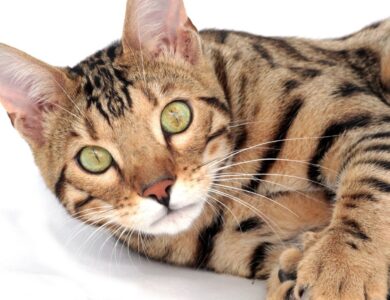
Understanding Common Skin Conditions Across Species


Understanding Common Skin Conditions Across Species
A Comprehensive Guide to Common Skin Conditions Across Species
As a pet owner, there is nothing more worrisome than noticing a visible change in your companion animal’s skin—redness, excessive scratching, unusual scabs, or persistent itching. These signs can trigger immediate anxiety, leaving you constantly wondering: Is this just seasonal fluff, or something deeper?
Skin issues are incredibly common in animals of all kinds—from dogs and cats to horses and rabbits. They rarely have a single cause; rather, they often involve an underlying imbalance, whether it’s an environmental trigger (allergies), microbial overgrowth (yeast or bacteria), or simply poor management. Understanding the basics is the critical first step toward helping your pet feel comfortable and healthy again.
Understanding the Cycle of Skin Inflammation
At its core, a skin condition is an inflammatory response. When something irritates the skin barrier—be it pollen, digested food proteins, or even environmental bacteria—the immune system reacts by sending white blood cells to the area. This creates inflammation (dermatitis), redness, and itching (pruritus). However, this cycle can become self-perpetuating.
The skin acts as the body’s primary protective barrier. When this barrier is compromised by inflammation or infection, it loses its natural moisture and pH balance, making the animal more susceptible to secondary bacterial or yeast infections.
It’s important for pet owners to remember that a vet needs to diagnose not just what looks wrong (the scratch marks), but why it is wrong. Common causes include food allergies, environmental allergies (atopy), parasites (mites and fleas), or primary bacterial infections.
Comparing Skin Health Across Species
While the concept of itching remains universal, the presentation and underlying triggers differ greatly among species. Dogs often suffer from atopic dermatitis related to environmental pollen, while cats are prone to various types of skin infections that can be challenging to treat. Horses require attention due to unique hoof-related issues and intense rubbing behaviors.
High
Medium
High
High
>
Managing the Itch: Allergies and Parasites
The most common culprits behind chronic scratching are allergens (food or environmental) and parasites. Fleas, while sometimes easy to treat, can trigger severe immune responses in dogs that lead to secondary skin infections (pyoderma). The same principle applies to mites, which require a specific identification and treatment protocol.
When bathing a pet with chronic skin issues, use only vet-approved medicated shampoos. Avoid harsh soaps or excessive scrubbing, as this can strip the natural oils and worsen irritation.
A critical part of diagnosis is suspecting secondary infections. An ear infection, for example, might be worsened by an underlying allergic reaction that makes the tissue fragile and prone to colonization by opportunistic yeast (like *Malassezia*) or bacteria. Therefore, testing samples (skin scrapings, cytology) is often more important than simply treating the visible redness.
Understanding Dermatitis: The Inflammatory Cascade
Dermatitis is a broad term for inflammation of the skin and underlying tissue. Its management depends entirely on whether the primary issue is allergic, infectious, or autoimmune. If veterinary tests point to environmental allergies (atopy), treatment often involves years of diligent allergy control combined with managing the secondary infections.
Any signs of severe distress, such as uncontrolled blood loss from scratching (oozing petechiae), rapid skin recession exposing deep muscle, or difficulty breathing due to laryngeal swelling.
If your pet is scratching continuously, it can lead to self-trauma. In some cases, the itching becomes so intense that it causes nail loss or even hair bald patches that are painful rather than merely itchy—this requires immediate veterinary intervention to prevent pain and infection.
Dietary Management: Food Allergies
Food allergies in pets are challenging because pet diets contain thousands of potential allergens. A vet may recommend an elimination diet, which involves feeding a novel protein or hydrolyzed protein source for several weeks while meticulously monitoring the pet’s skin response. This dietary approach must always be supervised and paired with careful communication between the vet and the owner.
Continuous, worsening skin infections accompanied by signs of systemic illness (lethargy, weight loss) may indicate that the underlying cause requires pharmaceutical intervention beyond simple dietary changes.
Real-World Scenarios
Real-World Scenarios
Understanding common presentations helps owners better communicate with their vet during the examination:
- The Flea Story: An owner brings in a dog that seems itchy, and initial treatment for fleas seems to help, but the redness returns quickly. The vet must then check if the visible irritation is due to active allergies or just secondary bacterial infection from the original flea bite marks.
- The Groomer’s Complaint (Cats): A cat’s owner notices that while the primary issue seems localized scratching on the hind end, the skin underneath has a faint white/yellow crusting. This often suggests a yeast overgrowth (*Malassezia*) that colonizes the irritated area due to inflammation, requiring antifungal treatment in addition to anti-itch medication.
- The Seasonal Struggle (Equines): An owner notes that their horse’s skin is always red around its flanks and groin during certain seasons. This pattern suggests a localized environmental trigger or possibly poor coat management combined with seasonal nutrient deficiencies, which needs a thorough physical examination beyond just swabbing the affected area.
Keep detailed symptom logs. Note when the itching is worst (e.g., after exercise, at night, or after exposure to specific flowers) and any potential changes in diet leading up to flares.
Skin irritation is often a symptom, not the root cause. Always insist on proper diagnostic testing (cytology, allergy panels) to identify the underlying trigger—be it dietary, environmental, or microbial.
Related Topics for Deeper Understanding
Understanding skin issues often intersects with other aspects of pet health. If you suspect a systemic issue is contributing to your pet’s discomfort, these related articles may provide valuable context:
- Why Is My Dog’s Nose Dry? Does It Mean They’re Sick?: Learning about subtle changes in nasal discharge can provide clues to overall respiratory health, which impacts the skin.
- Understanding Heartworm Disease and Prevention: Parasite prevention is key, as compromised vascular systems (from heartworms) stress the entire body, including the skin.
- How Often Should Rabbits See the Vet?: Routine checkups are vital for rabbits due to their unique GI and immune systems, making preventative care critical before skin issues escalate.
- Why Does My Cat Sneeze So Often?: Respiratory issues can lead to excessive nasal discharge that may irritate the skin around the face and muzzle, contributing to skin discomfort.
- Understanding Pet Dental Cleanings Under Anesthesia: Oral health is inextricably linked to skin health; gum disease can contribute to systemic inflammation that manifests on the coat.
- Understanding Strangles in Horses: Respiratory illnesses in large animals can impact general immune function, contributing to overall poor skin condition.
Frequently Asked Questions (FAQ)
My dog scratches themselves to the point of bleeding. Is this always an allergic reaction?
Not always. While allergies are common, self-trauma can also be caused by pain (e.g., dental discomfort or ear infection) that leads the animal to repeatedly rub an area. Your vet will need to assess whether the physical act of scratching is treating a primary pain source.
Should I use human pet shampoos or vet-specific products?
Only use shampoos formulated specifically for pets. Human shampoos often contain ingredients, fragrances, and pH levels that are too harsh and can strip the skin’s protective natural barrier, making the inflammation worse.
How long does it take to see improvement after I change my pet’s diet?
Dietary shifts are not instantaneous. Since the immune system must react to a new protein source, visible improvements generally require a minimum of eight weeks to fully assess whether an adverse reaction has been eliminated.
Can I treat skin issues with supplements before seeing the vet?
It is strongly discouraged. Many supplements, while helpful, are meant to complement a veterinary treatment plan and should never be used as standalone treatment because they won’t treat the underlying infection or severe inflammation.
What are the most common signs of a fungal (yeast) skin infection?
Fungal infections often present as greasy, yellowish crusting or patches on moist areas like ear canals, groin, and paw pads. They can be confused with bacterial issues but usually require specific antifungal shampoos and oral medications.
Is pet skin scratching normal behavior?
Mild, occasional scratching is normal. However, if the licking or scratching becomes compulsive, repetitive, or leaves bald patches, it indicates distress and warrants a professional medical evaluation immediately.
Above all else, approach skin issues with patience. A full diagnosis rarely happens in one visit; it is often an elimination process of potential triggers. Consistent communication with your veterinarian and dedicated commitment to the treatment plan are the keys to restoring your pet’s comfort and healthy coat.
Keywords: canine dermatitis, feline pruritus, veterinary dermatology, skin allergies dogs, pet itching causes, food allergy pets, environmental atopy, animal skin care, yeast infection diagnosis, pet medicated shampoo, popesgrass syndrome, holistic pet health, species differences in vet care, companion animal skin conditions, coat care routine, pet eczema treatment, chronic itching management, canine pruritus, veterinary dermatology guide