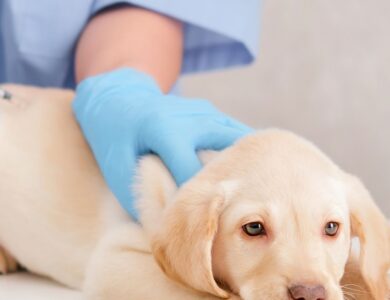
Building a Pet First Aid Kit at Home

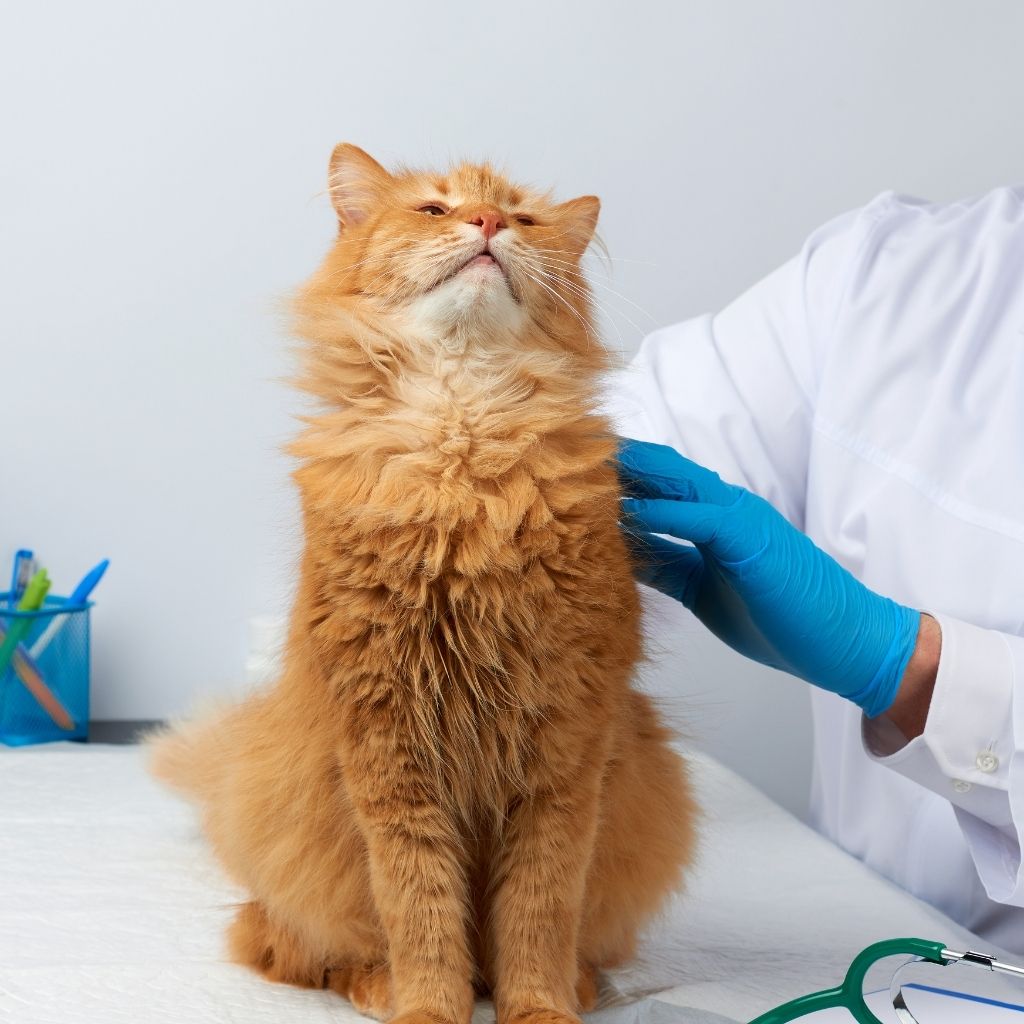
Building a Pet First Aid Kit at Home
Building a Pet First Aid Kit at Home: A Comprehensive Guide for Concerned Owners
When the worst happens—when your beloved pet sustains an injury, gets into trouble, or suddenly seems unwell—the feeling of panic is overwhelming. In those moments, amid confusion and fear, preparation feels like the only thing that gives you back a sense of control. It’s entirely normal to worry about whether you are ready for every possible emergency involving your furry family member. But by taking proactive steps now, you can transform potential panic into decisive action.
Having a pet first aid kit is more than just buying some random supplies; it’s about building a safety net—a collection of knowledge and tools that will empower you to manage minor emergencies until professional veterinary care arrives. This comprehensive guide, written with both empathy and deep veterinary knowledge, will walk you through exactly what items you need, how to prepare them properly, and most importantly, when knowing the difference between a minor scare and an absolute emergency can save a life.
Understanding the Scope of Pet Emergencies
A first aid kit is designed for immediate, temporary care—it is not a substitute for professional medical attention. Many common household items are actually toxic or irritating to pets and must be kept far away from where you store your supplies. Before gathering materials, it’s crucial to know what *kind* of issues the kit needs to address: minor cuts, foreign objects, environmental poisoning (like car antifreeze), and immediate wound care.
Any difficulty breathing (wheezing, open-mouth panting at rest), uncontrolled bleeding that won’t stop after 5-10 minutes of pressure, signs of severe head trauma (unconsciousness, unequal pupils), or ingesting obvious poisons.
The Essential Contents of a Pet First Aid Kit
A properly stocked kit is categorized by function. Never simply store random items together; organize them for rapid access in a stressful situation. The physical supplies are divided into three groups: cleaning/irrigation, wound care, and diagnostic tools.
1. Cleaning and Irrigation Supplies (The Cleansers):
- Sterile saline solution or clean drinking water (in spray bottles).
- Pet-safe antiseptic wash (avoid harsh human antiseptics like hydrogen peroxide, which can damage tissue).
- Clean gauze pads and sterile non-adherent dressings.
2. Wound Care Materials (The Closers):
- Trauma gloves (non-latex preferred, size appropriate for the pet’s handler).
- Assorted sizes of medical adhesive bandages and vet tape (Zinc Oxide or similar burn barrier).
- Antiseptic wipes (if surface wound cleaning is needed).
- Small pairs of surgical scissors or trauma shears (for trimming hair near wounds, only if directed by a vet, otherwise use gloves for protection).
When cleaning wounds, gently irrigating with sterile saline is superior to using pure water. Saline mimics the body’s natural salt concentration, ensuring it won’t disrupt the balance of delicate tissues and bacteria in the wound.
3. Supportive & Diagnostic Tools (The Helpers):
- Digital thermometer (rectal or ear plug type).
- Small, clear plastic zip-top bags for collecting foreign objects (e.g., glass shards, splinters) found in a wound—these must be kept intact for vet examination.
- A printed emergency contact sheet listing the nearest 24/7 veterinary clinics and your pet’s vaccination records.
Addressing Specific Trauma Scenarios
Not all injuries are the same. A deep laceration requires a different approach than ingesting a non-digestible object like a toy. Understanding the cause will dictate your first actions.
Ingestion of Foreign Objects:
If you suspect an item was swallowed, do NOT induce vomiting unless specifically instructed by a veterinarian. This can sometimes cause more damage (e.g., if the object is chemically coated or blocked). Focus on monitoring for signs of obstruction.
Toxicity and Poisoning:
The rule remains absolute: keep all human medications, chemicals, cosmetics, and plant materials out of reach. If exposure occurs, bring the container or packaging to the vet immediately so they can identify the poison.
Low
Foreign Body Obstruction
High
Chemical Burns (Strong Acid/Alkali)
Critical
Minor Sprain (Paw Pad)
Medium
Immediate Triage: Do’s and Don’ts
In the moment, information overload is dangerous. Focus on these critical behavioral steps:
Always approach an injured pet calmly and never panic. Talk in a low, soothing voice, speak to the handler rather than trying to force treatment, and prioritize stopping severe bleeding first.
Environmental Safety & Prevention
The most effective piece of pet first aid equipment is preventative knowledge. Many injuries are preventable through simple environmental modifications at home and vigilance during outdoor walks.
Paw pad health is highly dependent on surface temperature. During winter months, the salt and ice residue can be extremely damaging, sometimes requiring specialized paw balms or boots for protection.
Home Management and Care After Vet Visit
The care doesn’t end when the vet sends you home. Proper wound management at home requires diligence, cleanliness, and observation. Keep all bandages clean and dry, monitoring closely for signs of infection (increased redness, swelling, discharge). Never allow your pet to lick a wound; this introduces bacteria and can pull out stitches.
A pet first aid kit is a system, not just supplies. It requires regular inspection, up-to-date vet contacts, and most importantly, the knowledge of when to use it versus when to leave it alone.
Real-World Scenarios
These composite scenarios illustrate how to think under pressure, remembering that the goal is always stabilization and transport.
Scenario 1: The Deep Cut from a Prickly Plant. The pet has a deep laceration on its limb caused by sharp vegetation. Immediate action involves gently rinsing the wound with sterile saline (not just plain water) to remove debris and applying firm, temporary pressure using sterile gauze while preparing for transport. Do not attempt to forcefully remove any embedded splinters.
Scenario 2: Accidental Antifreeze Exposure. The pet has ingested a liquid mistaken for water, which the owner later identifies as vehicle coolant. Because antifreeze poisoning is highly toxic and cumulative, no home treatment is appropriate; immediate, careful transport to an emergency clinic while bringing the container with you is mandatory.
Scenario 3: Minor Foreign Object (Toy in Paw). A small piece of a plastic toy is lodged partially under one paw pad. The owner should examine the area gently, rinse around the object to remove superficial dirt, but absolutely avoid pulling it out. Instead, stabilize the leg and seek veterinary examination promptly for safe removal.
Uncontrolled bleeding that soaks through gauze pads quickly, signs of respiratory distress (e.g., persistent gagging or blue gums), severe limping with inability to bear weight, or sudden neurological changes like seizures.
Related Topics
Understanding the full scope of pet health involves knowing when and where to seek professional help. Check out these related articles for deeper understanding:
- Guide to All 11 Veterinary Clinics in Caucaia CE | Discover Them Today!
- Why Is My Dog Panting So Much? When to Worry
- Understanding Antifreeze Poisoning in Pets — A Hidden Danger
- Why Does My Dog Drag Its Bottom on the Floor?
- Understanding Laminitis in Horses
- How to Support a Pet Recovering From Surgery at Home
Frequently Asked Questions (FAQ)
Should I use hydrogen peroxide on a pet’s wound?
No. While common for human first aid, hydrogen peroxide can be irritating to delicate animal tissue and may damage healthy cells in the wound bed, potentially slowing healing.
How do I keep the first aid kit stocked and organized?
Store all items in a clearly labeled, portable container. Crucially, check expiry dates (especially for solutions and medications) every six months and replace anything that is expired or used up.
Is it okay to use human pet shampoos or soaps on an injury?
No. Many human soaps contain strong fragrances, antibacterial agents, or ingredients that are irritating to compromised skin and open wounds. Use only mild, saline rinses or vet-approved washes.
How should I transport an injured pet?
Use a hard-sided carrier or crate that is appropriately sized for your pet to stand up and turn around in. Never allow them free access during transport, as stress can worsen pain and panic.
If my pet vomits a foreign object, what should I do?
Remain calm and evaluate the situation. If the object appears to be stuck or if the pet is struggling, contact your vet immediately for instructions. Never try to manually retrieve it unless instructed by a medical professional.
When is it safe to give my pet oral pain medication?
Never administer human medication without explicit veterinary direction. Most over-the-counter pain relievers for humans (like Tylenol or Advil) are highly toxic and fatal to pets.
The true measure of a preparedness kit is not the number of items it contains, but how much confidence it gives you when fear threatens to take over. Keep this guide visible in your home, practice gentle wound cleaning with fresh supplies occasionally, and always make that appointment with your veterinarian to review your plan—together, you can ensure your household remains safe and prepared for anything.
Keywords: pet first aid kit, emergency vet care, pet wound management, dog injury care, cat first aid, animal poisoning prevention, pet trauma kit, veterinary emergencies, saline rinse for wounds, pet first aid supplies, treating pet cuts, foreign object removal pets, emergency preparedness, pet health safety, puppy first aid, kitten emergency, toxic substances pets, wound cleaning best practices, veterinary advice guide, pet owner resources