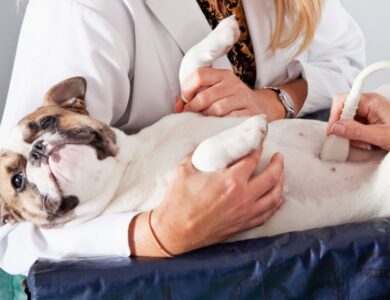
Understanding the Vet Referral Process for Specialists

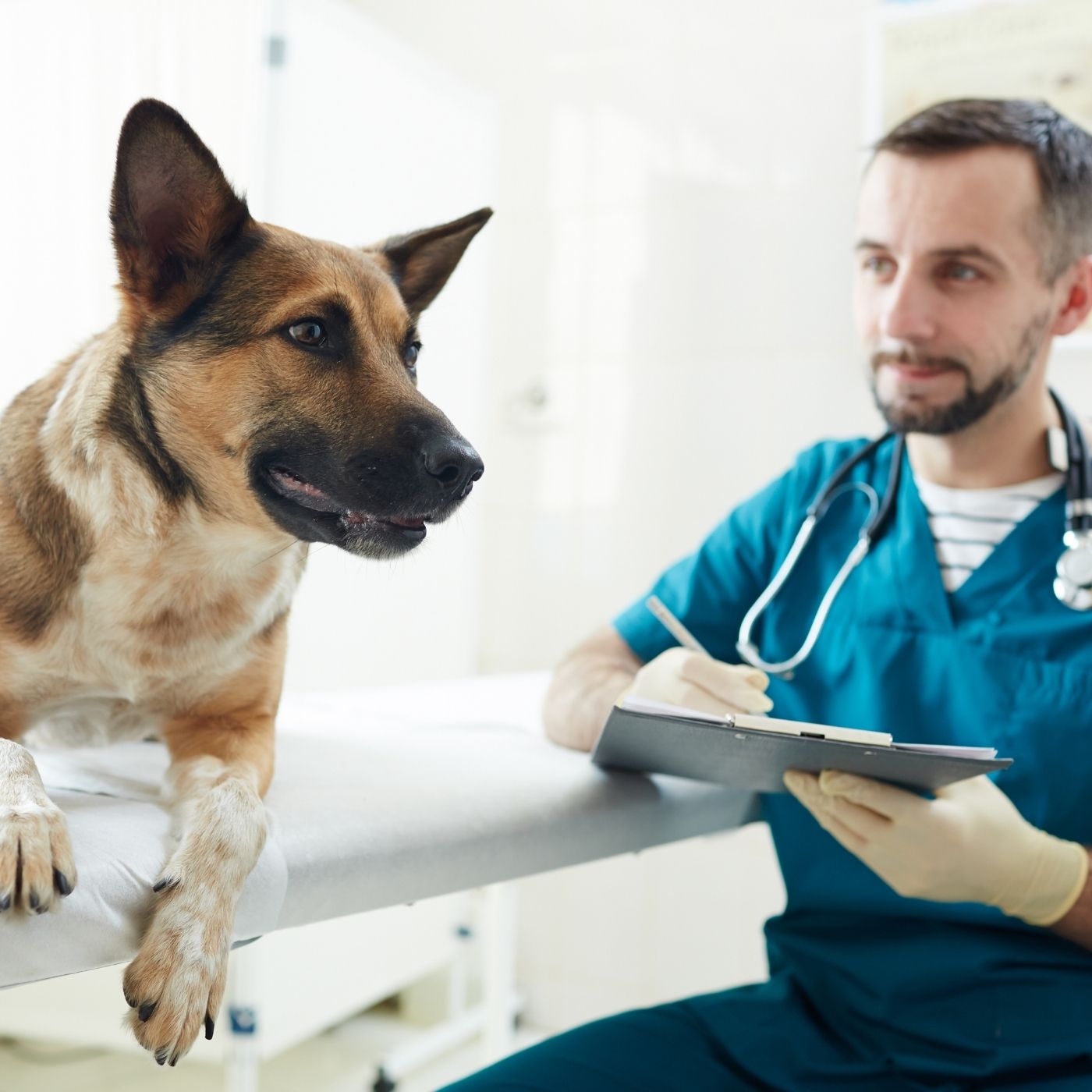
Understanding the Vet Referral Process for Specialists
A Comprehensive Guide to Vet Referrals: Navigating Specialist Care for Your Pet
When your pet is unwell, the most natural feeling is immediate panic—a gut-wrenching worry that you simply don’t know what is wrong or how to fix it. You might feel overwhelmed by symptoms that seem vague, confusing test results, or specialist jargon used during a check-up. As dedicated pet parents, our first instinct is always to give them the absolute best care, but navigating the complex landscape of veterinary medicine can feel like traversing an unfamiliar scientific wilderness.
It is precisely because you are so proactive and caring that we want to demystify one of the most crucial aspects of advanced pet care: the vet referral process. A referral doesn’t mean failure; it means escalation—it signifies that your primary veterinarian recognizes the complexity of your pet’s condition and wishes to provide them with the highest possible level of expert care available, which often lies outside their general practice scope. This guide is built to empower you, giving you a clear understanding of why, when, and how specialty vet care works.
What Exactly Is a Veterinary Referral?
At its core, a vet referral is simply an official recommendation from your primary care veterinarian (often called the referring veterinarian) to a specialist practitioner—a vet who has undergone advanced training in a particular area of medicine or surgery. Think of it like seeing a cardiologist for heart issues, rather than just any general physician.
When Should You Consider Specialist Care?
Some issues are straightforward and can be managed perfectly by a general practitioner (GP). However, when symptoms are chronic, persistent, or point toward a highly specific organ system, specialists become invaluable. A few common indicators that specialty care might be necessary include:
- Chronic or Progressive Disease:** Conditions like intermittent joint pain (requiring an Orthopedic Specialist) or gradually worsening heart murmurs (requiring a Veterinary Cardiologist).
- Complex Diagnostics: When initial bloodwork, imaging, and tests yield confusing results that require deep, targeted expertise.
- Multiple Systems Failure: If a pet is showing signs of issues in the heart, lungs, and kidneys simultaneously, coordinating care requires specialists from multiple fields.
Sudden, severe difficulty breathing (struggling for air), signs of deep trauma or bleeding that won’t stop, extreme lethargy coupled with seizures, or acute vomiting/diarrhea accompanied by bloody stool.
Understanding the Specialist Landscape
Veterinary specialists are not just general vets who *know* a lot about one thing; they have completed additional years of rigorous, accredited residency training after earning their initial DVM degree. This specialized education is usually focused on an entire organ system or physical area.
A veterinary specialist, such as a Cardiologist or Dermatologist, has undergone advanced training that is comparable in rigor to human medical board certifications. This intensive focus allows them to diagnose and manage conditions at a molecular level of detail.
The Step-by-Step Referral Protocol
It is critical to understand that the referral process must be managed by your GP first. Never try to “self-refer” in an emergency or chronic situation without discussing it with a vet. Here is the typical pathway:
- Initial Consultation (Your GP): You visit your general vet who performs a thorough physical exam, runs basic diagnostics (bloodwork, X-rays), and establishes the working hypothesis.
- Assessment: The GP determines if the diagnosis or necessary care level exceeds their scope of practice.
- Referral to Specialist: The GP refers you to a specialist (e.g., Dermatology, Neurology) and usually provides a comprehensive file, including all existing records and initial diagnostic results. This is crucial.
- Specialist Examination & Plan: The specialty clinic reviews the case, conducts its own advanced diagnostics, and creates a specialized treatment plan.
Highest
Moderate
Low
The Owner’s Role: Partnership in Care
While the care is delivered by professionals, you are an active member of the medical team. Your observations at home are often the most valuable diagnostic clues. The more detailed and accurate your reports are, the quicker the path to diagnosis will be.
Keep a detailed Symptom Journal. Record feeding amounts, elimination patterns (accidents/diarrhea), observed changes in gait or energy level, and the time of day symptoms are most pronounced. Bring this journal to every appointment.
Understanding Specialist Disciplines
The sheer variety of specialists is incredible. Knowing the type of vet you need can save precious time and money. Here are a few key examples:
- Dermatology Specialists: Focus on skin, hair, and nails. They treat allergies (often immune-mediated) that general vets may struggle to pinpoint.
- Cardiology Specialists: Focus exclusively on heart health. They are crucial for diagnosing advanced murmurs or arrhythmias not evident during a simple physical exam.
- Orthopedic Specialists: Experts in musculoskeletal issues, from ligament tears (like CCL ruptures) to arthritis management and spinal pain.
Many complex conditions, such as certain immune-mediated skin diseases or kidney failures, require a multi-disciplinary approach. The best outcomes occur when the GP coordinates care with several different specialists (e.g., Primary Care + Dermatology + Internal Medicine).
Real-World Scenarios
Scenario 1: The Chronic Cough
A pet owner brings in a dog with a persistent, deep cough that worsens in the morning. The general vet performs initial checks and rules out simple causes but suspects secondary issues like mild tracheal collapse or cardiac involvement. The GP recommends referral to a Thoracic Specialist for advanced imaging (like CT) and monitoring.
Scenario 2: Persistent Skin Issues
A cat presents with patchy hair loss that keeps reappearing, despite standard anti-inflammatory treatments. The primary vet suspects allergy but the cycle repeats. The GP refers the patient to a board-certified Dermatologist who utilizes advanced testing (like intradermal skin testing) to pinpoint an immune trigger.
Scenario 3: Decreased Mobility
A dog owner notices their dog is reluctant to jump on stairs and limps slightly after waking up. Initial exams point toward possible joint arthritis, but the GP suspects it might be a more severe ligament tear or nerve issue, warranting a referral to an Orthopedic Specialist for deep tissue imaging.
Always ask the referring vet: “What does this referral mean, and what should we expect?” This helps you understand the specialist’s role and manages your emotional expectations about the complexity of the care.
A vet referral is a sign of comprehensive care and expertise, not failure. It signifies that your primary vet is highly skilled enough to recognize when the best possible outcome requires specialized knowledge outside their general practice area.
Related Topics
Understanding specialized care often involves related aspects of pet wellness. You might find these guides helpful as your companion’s needs change:
- The Definitive Guide to the 5 Veterinary Clinics in Cotia, SP, Brazil
- Guide to All 2 Pet Shops in Itapeva, SP, Brazil!
- Understanding Proper UVB Lighting for Reptiles
- How to Socialize a Puppy Safely
- Guide to All 2 Pet Shops in Guaratinguetá SP, Check It Out Below!
- Guide to All 4 Veterinary Clinics in Aquiraz CE, Come Take a Look!
Frequently Asked Questions About Vet Referrals
If a specialist recommends further testing, am I responsible for the cost?
Yes. While some insurance plans may cover specialized diagnostics, the patient owner is typically responsible for vetting and approving advanced procedures like biopsies, expensive imaging (CT/MRI), or complex lab panels before they are performed.
How long does the entire referral process usually take?
The timeline varies wildly. Simple referrals for minor issues might be seen within days. However, complex chronic cases requiring multiple diagnostic steps can involve several weeks or even months of follow-up care.
Should I ask my primary vet for copies of the specialist’s full report?
Absolutely. Having a copy of the comprehensive specialist report allows your original general practitioner to maintain continuity of care and ensure that all aspects of your pet’s health are reviewed by one consistent team.
Does a referral mean my primary vet is giving up on the case?
No, not at all. It means they are elevating your care to the highest possible level of expertise available, which is what any devoted pet owner wants for their beloved companion.
What should I bring when visiting the specialist?
Bring all existing records, results from initial blood work, a detailed symptom journal (as suggested above), and any medications currently being administered. Don’t forget to ask questions!
Can I switch between different specialists without consulting my primary vet?
It is highly recommended that you always keep your primary GP involved. They act as the “quarterback” of care, ensuring that all specialist recommendations work together harmoniously and don’t contradict each other.
Remember to approach every symptom or diagnosis with knowledge, not panic. By understanding the specialized network of veterinary care—knowing when your primary vet is appropriately pointing you toward a specialist—you transform from an anxious caregiver into an informed partner in your pet’s complex medical journey. Always prioritize clear communication with all involved veterinary parties.
Keywords: vet referral process, veterinary specialists, canine cardiology, feline dermatology, orthopedic surgery pets, advanced animal care, secondary veterinary opinion, specialty vet guidelines, communicating with vets, pet health diagnostics, comprehensive pet wellness, animal medicine referrals