
How to Tell If Your Cat Is in Pain

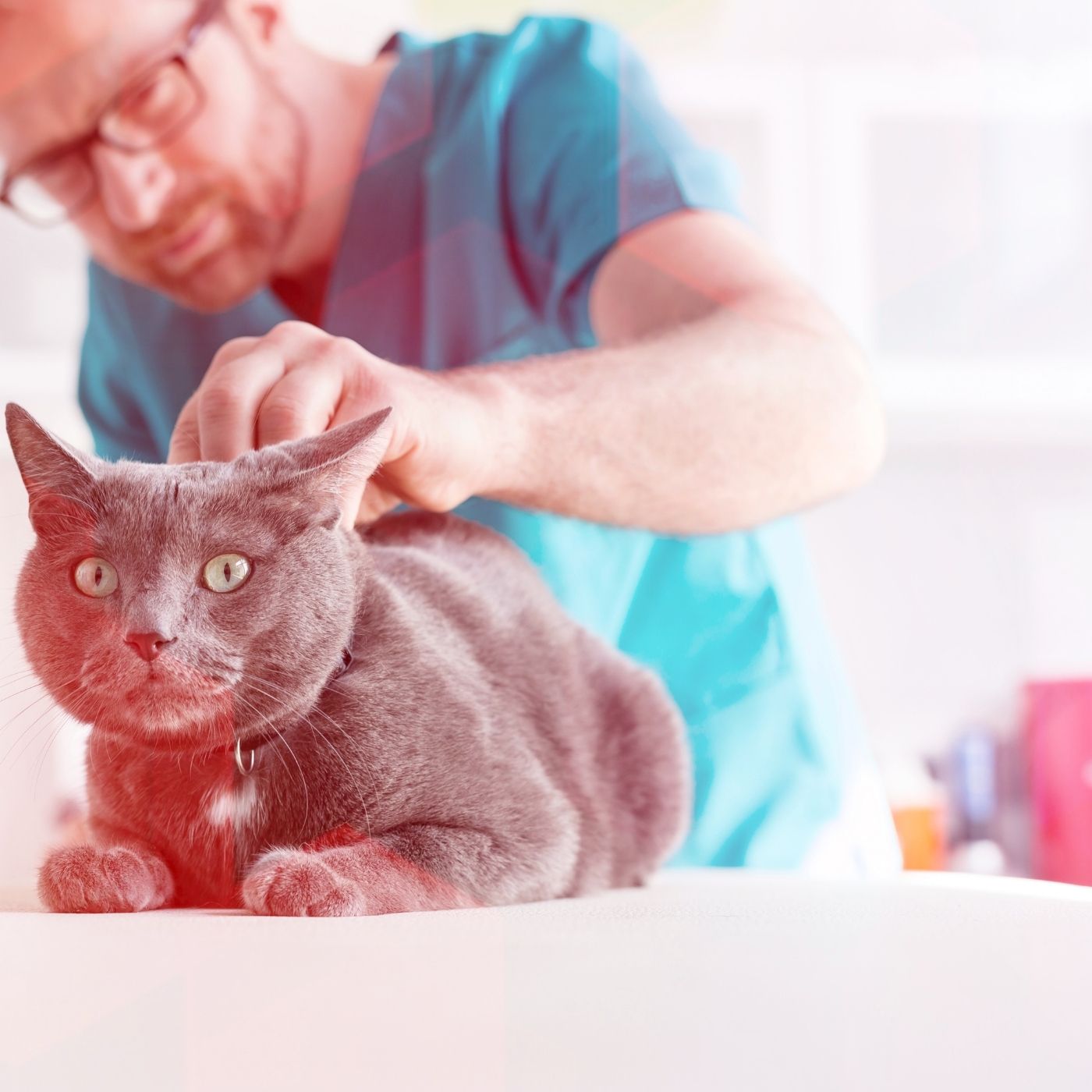
How to Tell If Your Cat Is in Pain
Decoding Feline Distress: A Comprehensive Guide to Recognizing Pain in Your Cat
If your cat suddenly seems “off,” or if you catch them exhibiting unusual behaviors, the first question that pops into your mind is often, “Are they in pain?” It can be incredibly distressing for a pet owner to feel a vague sense of worry about their beloved companion. We live with our cats because they bring so much joy and comfort, and when we see them struggling or acting differently, it’s natural to panic and try to diagnose the root cause.
Understanding pain in a cat is challenging because they are masters of camouflage. Cats have incredible natural instincts to hide discomfort or weakness, making behavioral changes the primary—and sometimes most subtle—clues we rely on. This comprehensive guide from VeterinaryGuide.com will equip you with the knowledge to recognize these subtle signs, allowing you to advocate for your pet accurately and promptly.
Understanding Why Cats Hide Pain
Before diving into specific signs, it is vital to understand the biological reason behind a cat’s reluctance to vocalize distress. Cats have an instinctual response that teaches them to minimize visible pain displays when threatened or vulnerable. Unlike dogs, who might whine or flop dramatically, cats are designed to be resourceful survivors and will often suppress their signals until they reach a critical threshold of discomfort.
Cats often interpret pain as a vulnerability signal. If they feel safe and comfortable in your presence, they are much more likely to display signs that will help you notice the problem.
Subtle Behavioral Changes (The Primary Indicators)
Behavioral shifts are often the first things owners notice, long before a specific limp or whimpering sound. These changes usually revolve around energy levels and their interaction with their environment.
- Reduced Activity: Your cat who used to chase toys for hours might now spend most of the day sleeping, but this is more than just rest; it could be a protective measure due to pain.
- Changes in Routine: Difficulty getting up, climbing normally on furniture they usually jump onto, or showing hesitation when entering certain areas of the house can signal discomfort.
- Excess Grooming or Grooming Deterioration: They might excessively lick a sore spot (an attempt to soothe pain) or, conversely, neglect grooming an area because it hurts to touch.
Monitor their baseline behavior. If your cat suddenly changes its routine—sleeping more, avoiding certain toys, or ignoring favorite sunspots—it warrants an observation and potentially a vet visit.
Physiological Clues: How Pain Manifests Physically
Pain doesn’t just affect movement; it can affect digestion, elimination, and overall disposition. Observing these physical systems is key to a comprehensive assessment.
1. Musculoskeletal Discomfort
When pain originates in the joints or muscles (arthropathy, sprains), signs are often localized:
- Hesitation when walking on hard surfaces.
- Shortened stride length.
- Collapsing onto one side if a back injury is suspected.
2. Pain in Elimination
Any difficulty with urination or defecation can indicate significant pain, often urinary or anal sphincter related. Straining to pee, squatting unusually long over the litter box, or increased frequency (even if output is normal) should be noted.
High
High
Medium
High
Moderate
Differentiating Between Stress, Pain, and Disease
One of the hardest tasks for owners is distinguishing between a cat who simply feels unwell (sick) versus one that is actively hurting (in pain). Similarly, stress can mimic acute pain responses.
If the pain leads to inability to stand or walk, persistent vomiting with dehydration signs (e.g., tacky gums), sudden respiratory distress, or if they are aggressively resisting attempts at examination.
The Importance of a Calm Environment
When bringing your cat to the vet, how you handle them can impact diagnostic accuracy. A highly stressed or fearful patient may hide signs that are obvious in a relaxed setting. Therefore, minimizing anxiety and building trust is part of the medical process.
When describing signs to the vet, use a time-based journal. Instead of saying “he seems painful,” say, “at 6 AM this morning, he hissed when I touched his lower back, but by noon, he was completely relaxed.” Specificity is vital.
Real-World Scenarios
Understanding these signs in context can help guide your calls to the vet. Here are three common composite scenarios owners describe:
Scenario 1: The Morning Stiff Cat
The owner notices their normally graceful cat struggling to get out of a deep sleep, exhibiting visible stiffness in her back and hindquarters for the first hour after waking up. She seems hesitant when asked to jump onto elevated surfaces like a bookshelf, but after 30 minutes of gentle play, she becomes fully mobile again.
Scenario 2: The Suddenly Aloof Cat
A cat that usually greets family members enthusiastically has been increasingly secretive over the last few days. It spends time perched on high shelves but avoids direct contact when people approach, often leading to a single, soft meow instead of its usual purr-greeting.
Scenario 3: The Litter Box Specialist
The owner finds that the cat is consistently only using one corner of the large litter box and often seems to be straining or holding itself rigid while eliminating. While the stool/urine output appears normal, the activity around the box suggests discomfort.
Never assume a change in behavior is due to stress. A sudden, measurable shift away from normal routine—in movement, sleep, or resource use—should always be investigated as potential pain.
Related Topics for Further Reading
If you need more insight into routine care or specific concerns, these related articles may be helpful:
- How Often Should You Weigh Your Pet at Home?
- Understanding the First 48 Hours With a New Rescue Pet
- Guide to the 2 Veterinary Clinics in Pedra Branca CE
- Signs of Bloat in Dogs — A Life-Threatening Emergency
- How Often Should Dogs See the Vet?
- Why Does My Dog Shake or Tremble?
- Legislação na Saúde Animal — Guia Animal (Brazil, in Portuguese)
- Guia das Raças de cachorros — Guia Animal (Brazil, in Portuguese)
- Gatos — Guia Animal (Brazil, in Portuguese)
Frequently Asked Questions
My cat cries or meows unusually when I pick them up. Is this always pain?
Not necessarily, but it is a critical sign that requires investigation. Pain can certainly cause whining, but other causes include ear pressure (if the eardrum hurts), deep discomfort from urinary crystals, or simply being overly sensitive to handling. If this crying is new, persistent, and accompanied by any stiffness, a vet visit is required.
Can pain affect a cat’s appetite?
Yes, it is extremely common. Cats often reduce their activity and eat less when they are in discomfort. If a sudden loss of appetite is accompanied by vomiting, dehydration, or persistent hiding, these are strong indicators that pain or systemic illness is present.
Is pain always related to injury?
Absolutely not. While sprains and blunt trauma are major causes, chronic pain frequently originates from underlying conditions such as kidney disease (causing muscle cramping), arthritis (osteoarthritis), dental disease (sepsis in the jaw), or internal blockages that cause systemic inflammation.
Should I try to administer painkillers at home?
No. Never give your cat human pain medication (like Tylenol or Advil) without explicit veterinary instruction, as many common drugs are highly toxic and fatal to feline systems. Pain relief for cats must come from vet-prescribed medications tailored to the specific source of their discomfort.
What is the difference between chronic and acute pain in cats?
Acute pain is sudden, usually resulting from an injury or illness (like a torn ligament). Chronic pain is persistent discomfort lasting for weeks or months. Cats often hide chronic pain, leading to gradual weight loss and resource avoidance over time.
How can I help reduce my cat’s pain level at home?
Supportive care is key. For suspected joint pain, maintaining a weight-appropriate diet is paramount. Keeping the environment stable and making vertical structures (like ramps or cat trees) available can reduce jumping strains. Always follow up with veterinary advice for physical therapy options.
If you suspect your cat is in pain, treat the observation like a detailed medical report—take notes on when symptoms occur, how long they last, and what makes them better or worse. Prompt communication of these specific details to your veterinarian increases the likelihood of an accurate and timely diagnosis.
Keywords: signs of cat pain, feline discomfort, recognizing pet pain, cat behavioral changes, veterinary care for cats, cat stiffness, diagnosing cat pain, acute pain in cats, chronic cat pain, feline lethargy, vet visit tips, pet distress signals, cat litter box issues, urinary pain in cats, feline orthopedic pain