Understanding Guinea Pig Teeth: Why They Never Stop Growing


Understanding Guinea Pig Teeth: Why They Never Stop Growing
Why Do Guinea Pig Teeth Never Stop Growing? A Comprehensive Guide to Dental Health
When your guinea pig gives you those sweet, curious sniffs, it’s easy to view them as perfectly charming little rodents. However, beneath that fluffy coat lies a complex physiological system—and sometimes, a serious dental issue. If you’ve noticed unusual squeaks when they chew, or if their eating habits seem suddenly difficult, a worried question might pop into your head: why is this happening? The reality is that guinea pigs’ teeth are constantly growing. For pet owners, understanding the science behind continuous tooth growth is crucial, because while natural, it also creates unique health challenges that require attentive ownership.
It can be incredibly stressful when you worry about a beloved animal’s health. Many owners only realize how critical oral hygiene is once dental problems become visible—often involving difficulty breathing or feeding. This guide is designed to demystify the continuous growth cycle of their molars and incisors, providing you with the expert knowledge needed to proactively manage your pet’s dental well-being at home and in the veterinary office.
The Unique Biology: Understanding Continuous Dental Growth
Unlike humans or dogs, whose teeth eventually wear down enough to stabilize, guinea pigs are grazers whose anatomy dictates a continuous cycle of tooth eruption. Their incisors grow constantly, meaning they never reach a natural stopping point. This biological mechanism is essential for their survival in the wild, where constant grazing requires the teeth to keep pace with shearing vegetation. However, this same amazing trait means that if chewing material isn’t consistently provided, or if the structure of the jaw becomes compromised, dental problems can develop rapidly and severely.
Guinea pigs’ teeth are unique in that all four teeth (two upper, two lower) grow independently. This constant development means they require a steady stream of hard, fibrous material to keep their enamel polished and properly worn down.
The Role of Diet: Chewing for Dental Health
Proper dental care starts primarily with diet. Since their teeth are designed to grind endless amounts of forage, the most important aspect of preventive dentistry is providing varied, abrasive materials. A bland or restricted diet will lead to underdeveloped jaw muscles and inadequate tooth wear, leading quickly to malocclusion (misalignment) and dental calculus build-up.
Always provide a constant supply of fresh hay (timothy or orchard grass) as the primary chewing material. If your pig struggles to chew sticks, consider offering untreated willow branches—ensure these are safe for guinea pigs and do not contain toxic additives.
Recognizing Dental Distress: Warning Signs You Cannot Ignore
Ignoring subtle dental discomfort can lead to chronic pain, malnutrition, and even fatal infections. Since the mouth is complex and painful conditions often radiate symptoms into the body—such as lethargy or difficulty breathing—it’s vital to know what specific signs warrant immediate veterinary attention.
Persistent refusal or reluctance to eat, visible blood around the gums when chewing, unusual whistling noises during eating, difficulty breathing (snorting or wheezing), or noticeable recession of gum tissue.
Nutritional Support and Dental Risk Factors
While hay does most of the heavy lifting for tooth wear, nutritional imbalances can exacerbate dental problems. Guinea pigs require specific vitamins, such as Vitamin C, not just because it’s essential for their health, but also because general malnutrition weakens gum tissue and jaw structure, making them more susceptible to gingivitis and severe infections.
High
High
Medium
Low
Veterinary Management and Professional Care
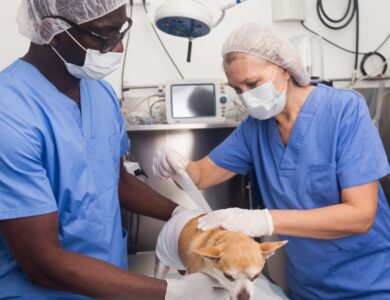
While prevention is key, sometimes veterinary intervention is necessary to address existing dental issues. Dental calculus (tartar) build-up can become so severe that manual brushing or home remedies are insufficient. The veterinarian may need to perform professional dental scaling under general anesthesia. This procedure allows them to safely clean the teeth deep below the gumline and assess any signs of bone loss.
Dental disease in guinea pigs is rarely an isolated issue. It frequently indicates underlying systemic health problems, such as immune deficiencies or severe nutritional deficits that must be addressed concurrently with the dental cleaning.
Real-World Scenarios
Understanding common presentations can help you prepare for a vet visit:
- Scenario 1 (Difficulty Eating): An owner notices their guinea pig frequently pausing while chewing and licking its mouth excessively. This often indicates painful dental calculus or an infection, requiring thorough examination to determine the extent of the damage.
- Scenario 2 (Respiratory Changes): The pet exhibits increased sneezing or wheezing that seems worse after meals. While this could be respiratory in origin, it must prompt a vet visit as malocclusion can put immense strain on the facial structure and breathing passages.
- Scenario 3 (Weight Loss/Lethargy): The owner finds their pig has lost weight rapidly over several weeks without changing diet. This non-specific symptom often points to chronic pain or infection, especially oral issues that make consuming enough nutrients difficult.
If you suspect dental pain but cannot see the source of discomfort, do not panic. Focus on providing high-quality, accessible forage and scheduling a comprehensive physical exam with your veterinarian immediately.
The best defense against painful dental disease is daily, consistent oral hygiene combined with a diet heavily centered on fresh, fibrous hay to maintain natural tooth wear.
Related Topics for Deeper Learning
For more general care and health information regarding your beloved pets:
- Guide to 2 Veterinary Clinics in Taubaté, SP, Brazil: Discover Them Today! (Finding local professional help is always smart.)
- Signs of Illness in Backyard Chickens (Caring for non-mammalian pets requires specific knowledge of their unique health needs.)
- Puppy Vaccination Schedule: What to Expect (Understanding preventative care is key, whether for puppies or guinea pigs.)
- Guide to All 2 Veterinary Clinics in Ibiúna, SP, Brazil (Knowing where reliable care is located can provide peace of mind.)
- Guide to All 10 Veterinary Clinics in São Paulo, SP, Brazil, Check It Out Now! (Large metro areas often require a selection of vets for emergencies.)
- How Often Should You Clean Your Pet’s Bedding? (Maintaining a clean, comfortable habitat is foundational to overall health.)
- Legislação na Saúde Animal — Guia Animal (Brazil, in Portuguese) (For information on animal health laws and regulations.)
- Guia das Raças de cachorros — Guia Animal (Brazil, in Portuguese) (Learning about canine breeds helps anticipate care needs.)
- Gatos — Guia Animal (Brazil, in Portuguese) (Gateline health concerns are often quite different from those of small rodents.)
Frequently Asked Questions About Guinea Pig Dental Care
Is it possible to stop a guinea pig’s teeth from growing?
No, it is biologically impossible for their teeth to fully cease growth. This constant growth is part of their natural physiology as grazing animals. The goal of care, therefore, is not to stop the growth, but rather to manage the rate of wear and prevent excessive build-up (calculus) that can damage the tooth structure or jawbones.
How can I prevent guinea pig dental disease at home?
Prevention is highly dependent on diet and environment. Ensure the primary component of their diet is fresh, unlimited hay. Supplement this with natural chew toys like untreated branches (like willow or apple wood) to provide constant friction and abrasion. Never rely solely on commercial pellets.
Do I need to brush my guinea pig’s teeth? Is it effective?
While brushing can help remove superficial plaque, it is often difficult and sometimes ineffective for deep dental calculus built up between the tooth roots. Oral hygiene should focus more on dietary components (hay and fibrous chew items) that mechanically wear down the teeth. Always discuss professional cleaning options with your vet first.
What does malocclusion mean in the context of guinea pigs?
Malocclusion simply means an improper bite or misalignment of the teeth. Because continuous tooth growth can cause uneven pressure, jaw development, and poor bite alignment, it leads to painful shearing forces on the gums and enamel, making eating difficult.
Are specialized cavy diets necessary, or is hay enough?
Hay should always constitute 80-90% of their diet. Commercial pelleted foods are generally too high in carbohydrates and seeds, which can lead to weight gain and nutritional imbalances that worsen dental issues. If a vitamin supplement is needed (like Vitamin C), consult your vet to determine the correct dosage.
When is it time for a professional dental cleaning? How often?
If your veterinarian suspects severe calculus build-up, or if the pig shows clear signs of oral pain (swollen gums, reluctance to chew), a deep clean under anesthesia may be required. There is no set schedule; it depends entirely on the severity of the visible dental disease and jaw health assessment.
The most powerful tool in maintaining your guinea pig’s dental health is vigilance paired with proactive care. Always keep that stack of fresh hay stocked, chew naturally abrasive materials when they are not supervised, and never hesitate to schedule a vet visit if you notice changes in their eating or breathing patterns—early detection makes all the difference.
Keywords: guinea pig teeth, continuous tooth growth, cavy dental disease, pet dentistry, guinea pig diet, malocclusion, equine dental care, hay for rabbits, oral health pets, veterinary dental care, small animal medicine, prevent dental calculus, proper chewing toys, rodent dental hygiene, cage enrichment, pet owner guide, guinea pig care, pocket pet teeth, natural tooth wear, cavy molars