
Understanding the Importance of Blood Work in Pets

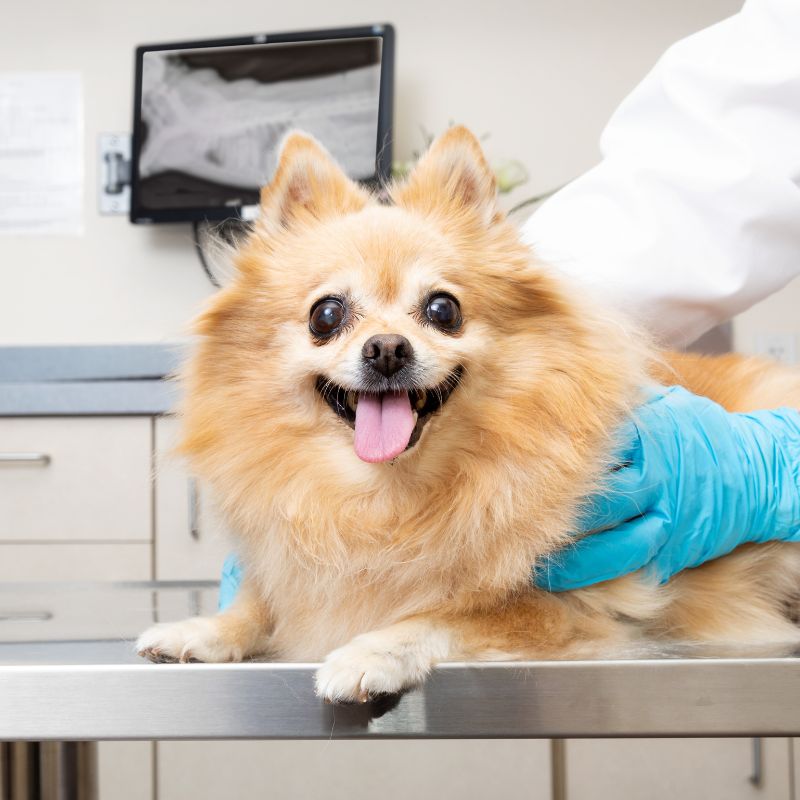
Understanding the Importance of Blood Work in Pets
The Definitive Guide to Canine and Feline Bloodwork: Why Your Pet’s Chemistry Panel Matters
If you are reading this at 2 a.m., it is likely because your pet has shown some sign of distress, or perhaps the routine vet visit left you with more questions than answers. That quiet uncertainty—the worry that something might be wrong, but you can’t pinpoint exactly what—is one of the hardest feelings for any loving owner to bear. It’s natural to want immediate answers.
When your veterinarian suggests “bloodwork,” it can sound like jargon, or perhaps just another test on a long list. But understanding blood work is key because it is often the single most proactive tool we have in modern pet medicine. It doesn’t just tell us what’s wrong today; crucially, it gives us a comprehensive snapshot of your pet’s overall internal balance, allowing us to detect problems weeks or even months before symptoms become obvious.
What Exactly Is a Blood Chemistry Panel?
To understand blood work, you first need to visualize it not as a single test, but as a window into the entire functioning ecosystem of your pet’s body. When veterinarians order “bloodwork,” they are usually referring to a combination of tests:
- Complete Blood Count (CBC): This measures the cells in your blood—the red blood cells (carrying oxygen), white blood cells (fighting infection), and platelets (involved in clotting).
- Chemistry Panel: This assesses the levels of vital substances, such as glucose (sugar), kidney function markers (like BUN and Creatinine), liver enzymes, and electrolytes (sodium, potassium).
Blood plasma is essentially a dynamic diagnostic mirror. The proteins, electrolytes, and waste products floating within it accumulate evidence of internal processes—from fighting bacterial battles to managing hormone levels—making it incredibly informative for comprehensive health assessments.
The Power of Early Detection: Beyond Visible Symptoms
Our instinct as pet owners is always reactive: “He stopped eating,” or, “She vomited.” While these symptoms are critical and demand immediate attention, they often represent a problem that has already progressed. Bloodwork shifts us from a purely reactive model to a preventative one.
Think of it like checking your car’s oil levels—you might not feel any signs of trouble until the engine sputters. But an oil test can reveal contamination or low viscosity long before catastrophic failure occurs. Similarly, blood work flags subtle shifts:
- Subtle Kidney Decline: A slight uptick in creatinine may signal reduced kidney efficiency months before clear symptoms like vomiting appear.
- Hidden Liver Issues: Elevated liver enzymes can indicate fatty build-up or mild inflammation that needs dietary changes, even if the pet seems perfectly fine and active.
High
Medium-High
Very High
Medium
Medium-High
Decoding Key Markers: What Do the Numbers Mean?
The reports your vet receives can be intimidating—a dizzying array of acronyms and numerical values. Don’t panic when you see “elevated” or “depressed.” Your veterinarian is trained to put all these markers into context, but understanding the main systems can help.
Kidney Markers (BUN/Creatinine): These are crucial waste product measurements. If they are high, it suggests the kidneys might be struggling to filter toxins effectively. Think of them as measuring how clean the ‘waste disposal system’ is running.
Liver Enzymes (ALT/ALP): These measure the health and activity of your pet’s liver. Elevated levels can indicate inflammation, dietary issues, or underlying disease that requires immediate intervention before damage worsens.
Always bring a detailed list of your pet’s symptoms and any recent changes (diet, medication, exercise levels) to the vet. The numbers alone tell only half the story—your history completes the picture.
The Difference Between Routine and Urgent Bloodwork
Some owners view blood work as just another vaccine or necessary maintenance task. While preventative annual blood panels are vital, understanding when a panel is strictly *necessary* versus merely *helpful* helps manage expectations and costs. Never skip a vet visit, but discuss the necessity of comprehensive testing with your vet.
Bloodwork is usually deemed crucial in these high-risk scenarios:
- Suspected Chronic Disease: If chronic issues like unexplained weight loss, persistent vomiting, or signs of joint pain are present.
- Pre-Anesthesia Screening: Before any procedure (especially dental cleaning or major surgery), bloodwork ensures the pet is metabolically fit for safe sedation and recovery.
- Suspected Systemic Illness: If the vet suspects a problem affecting multiple body systems (e.g., poor appetite paired with lethargy).
If your pet is exhibiting signs of acute distress such as difficulty breathing, uncontrolled bleeding (gums or fur), severe abdominal pain, or staggering/uncoordinated movements.
Real-World Scenarios
To better illustrate how bloodwork helps, here are three composite clinical scenarios:
Scenario 1: The Subtle Weight Loss. A pet owner notices their dog has slowly lost 5 pounds over the last six weeks but dismisses it as ‘just being old.’ Routine bloodwork reveals a slightly elevated cortisol level and subtle changes in glucose metabolism, suggesting an underlying issue like adrenal disease that is not yet visible through gross physical signs.
Scenario 2: Pre-Surgery Screening. A cat is scheduled for routine dental scaling. The vet mandates pre-anesthetic blood work. The panel reveals borderline low potassium levels, allowing the vet to adjust medications and give supplemental fluids before the procedure, preventing a dangerous complication during sedation.
Scenario 3: Generalized Fatigue. An adult dog is brought in because the owner notes “he’s just tired.” Simple bloodwork may not point to a clear cause, but further investigation (like checking thyroid markers) uncovers mild hypothyroidism, which was silently slowing the pet’s metabolism and causing the general listlessness.
Bloodwork is generally most accurate when the pet is stable, calm, and has followed specific pre-testing instructions (such as maintaining a normal eating/drinking routine and proper fasting).
High
Medium-High
Medium
Medium
Low
Putting the Care Plan into Action
Understanding bloodwork is only step one. Step two is collaborating with your veterinarian to create a comprehensive care plan that addresses any abnormalities found. This might involve adjusting the diet, implementing supplements, or, in some cases, starting medication.
The results do not tell the whole story; they are merely clues. The ultimate goal of diagnostics—whether via bloodwork, X-ray, ultrasound, or physical exam—is to pinpoint a treatable cause and improve your pet’s quality of life.
Bloodwork is an invaluable preventative tool that allows veterinarians to detect silent, systemic changes in your pet’s health long before noticeable symptoms appear.
Real-World Scenarios
Scenario 1: The Subtle Weight Loss. A pet owner notices their dog has slowly lost 5 pounds over the last six weeks but dismisses it as “just being old.” Routine bloodwork reveals a slightly elevated cortisol level and subtle changes in glucose metabolism, suggesting an underlying issue like adrenal disease that is not yet visible through gross physical signs.
Scenario 2: Pre-Surgery Screening. A cat is scheduled for routine dental scaling. The vet mandates pre-anesthetic blood work. The panel reveals borderline low potassium levels, allowing the vet to adjust medications and give supplemental fluids before the procedure, preventing a dangerous complication during sedation.
Scenario 3: Generalized Fatigue. An adult dog is brought in because the owner notes “he’s just tired.” Simple bloodwork may not point to a clear cause, but further investigation (like checking thyroid markers) uncovers mild hypothyroidism, which was silently slowing the pet’s metabolism and causing the general listlessness.
Related Topics for Deeper Learning
If you want more information on other aspects of your pet’s health or care, these resources might be helpful:
- Understanding Zoonotic Diseases: What Pet Owners Should Know — Learn about diseases that can pass between animals and humans, and how proactive care protects both you and your pet.
- Common Parasites in Pets: Fleas, Ticks, and Worms — Understanding common parasites is key to keeping a thorough diagnostic record; bloodwork can help identify the severity of parasitic burdens.
- Guide to All 7 Veterinary Clinics in Barueri, SP, Brazil — For local physical care resources and expert consultation regarding your pet’s needs.
- 8 Licensed Veterinary Professionals in Elgin, Illinois, USA — Finding professional help when you need immediate or long-term medical guidance for your companion.
- Why Is My Cat Not Eating? Common Causes of Appetite Loss in Cats — Loss of appetite is a common, yet serious, symptom that often requires bloodwork to diagnose the root cause.
- Guide to All 8 Pet Shops in Praia Grande, SP, Brazil. — To find local supplies and products that support your pet’s overall wellness diet.
- Legislação na Saúde Animal — Guia Animal (Brazil, in Portuguese). This resource helps understand the legal framework surrounding animal health.
- Guia das Raças de cachorros — Guia Animal (Brazil, in Portuguese). Knowing your pet’s breed helps the vet anticipate common genetic predispositions that bloodwork might check for.
Frequently Asked Questions About Pet Bloodwork
Do I need bloodwork if my pet seems perfectly healthy?
While seemingly unnecessary, annual wellness panels are highly recommended for senior pets or those with known predispositions. They establish a vital baseline of normal values, making it much easier for your vet to spot small drifts or changes in markers over time.
How long does the bloodwork process take?
The collection itself is usually fast. However, receiving and interpreting a comprehensive panel takes time—sometimes 24 to 72 hours—as the lab needs to run all the different specific tests and your vet must correlate those findings with clinical signs.
Will fasting be required before the blood draw?
Sometimes, yes. Fasting is usually required for a full chemistry panel to get an accurate baseline of your pet’s glucose and lipid levels. Your vet will give very specific instructions on whether the fast should be absolute or just for certain types of food.
Can bloodwork detect pain?
No, not directly. Pain is subjective and physical examination is required for that diagnosis. However, chronic pain or underlying inflammatory conditions can *affect* your pet’s overall biochemistry (like increasing stress hormones), which the bloodwork might then signal.
What is the biggest mistake owners can make with bloodwork?
The most common mistake is interpreting the results in a vacuum. You must never view the numbers alone. Your vet needs to synthesize the lab data (the ‘what’) with your pet’s physical symptoms and history (the ‘why’).
Does my pet need repeated bloodwork if the initial results are fine?
If a panel is normal, it indicates health at that moment in time. However, pets’ bodies change constantly due to environment, diet, stress, and age. Re-testing might be needed if the vet suspects a condition or recommends monitoring for subtle decline.
Remember that your relationship with your veterinarian is your most valuable asset in pet care. When reviewing bloodwork reports together, resist the urge to diagnose yourself based on online symptoms. Instead, use the data as educational talking points: ask “What specific next steps should we take?” and “What can we monitor at home?” Working with your vet ensures that these critical scientific results translate into concrete action for better pet health.
Keywords: blood work pets, canine chemistry panel, feline blood test, preventative veterinary care, best pet diagnostics, CBC results dogs, senior pet testing, kidney markers pets, liver function panel animals, pet wellness checkup