How to Reduce Stress During Vet Visits

How to Reduce Stress During Vet Visits
The Owner’s Guide: How to Calm Your Pet Before and During Vet Visits
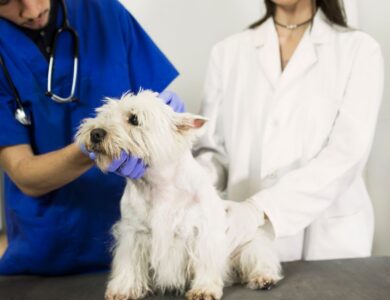
It’s inevitable: the appointment with the veterinarian. While routine checkups are vital for longevity, the visit itself can be an incredibly stressful experience for pets—and often, a source of deep anxiety for worried owners too. You might notice subtle signs at home, or perhaps your pet seems tense and reactive whenever they hear the car pull into the clinic parking lot. If you find yourself anticipating this process with dread, please know that you are not alone. Anxiety is a normal response to an unfamiliar environment filled with noise, smells, strange handling, and bright lights.
Your pet’s stress response doesn’t just happen in the clinic; it starts at home. Understanding the root causes of this fear—whether it’s separation anxiety combined with medical uncertainty, or simply the overstimulation of a busy animal hospital—is the first step toward managing it. The goal isn’t to eliminate all apprehension entirely, but rather to equip both you and your pet with tools to make the experience predictable, positive, and as low-stress as possible.
Understanding Canine and Feline Stress Responses
Stress is a physiological response involving the release of cortisol (the stress hormone). For many animals, a vet visit triggers an acute anxiety cycle—elevated heart rate, panting, flattened ears, and sometimes defensive aggression or excessive attempts to escape. Recognizing these signs early allows you to intervene. The science behind this fear shows that managing anticipation is as crucial as managing the moment itself.
The initial stress response is often compounded by a condition called learned helplessness, where pets associate the vet clinic itself—the building, the smells, the sounds—with fear, even if they had positive experiences previously.
Preparation: Calming Visits Before They Start
The journey to the vet should begin weeks before the appointment. Establishing routine is paramount because predictability reduces anxiety. This involves “desensitization”—slowly reintroducing your pet to elements of the clinic environment in a positive, low-stakes way.
Before the actual visit, take your pet on a “practice walk” near your vet’s office when they are closed. Let them simply sniff and observe the exterior of the building without any medical pressure, associating the location with neutral or positive experiences like treats.
Veterinary staff can provide invaluable resources—such as calming pheromone diffusers (like Adaptil) or vet-prescribed anti-anxiety medications—that you should discuss with your primary care vet during this preparatory phase.
Managing Stress During the Exam Room
The moment the carrier goes into the car, the stress response can spike dramatically. The key here is remaining calm yourself and taking control of your pet’s immediate environment. During examination, allowing the vet to move slowly and giving plenty of warning before restraint happens greatly mitigates panic.
Difficulty breathing, sustained coughing with blood, unresponsiveness, or excessive bleeding that doesn’t stop after pressure is applied.
Environmental Management and Handling
The clinic itself can feel overwhelming. Noise, bright lights, and the presence of unfamiliar animals contribute to sensory overload. You are the primary calming force in this scenario.
Medium
Medium-High
Medium
High
Behavioral Aids and Calming Techniques
Sometimes, the most effective interventions aren’t medical—they are behavioral. Owners can use physical aids and specific techniques to help regulate their pet’s nervous system. These methods focus on redirecting attention and promoting relaxation.
Deep, slow breathing by the owner and engaging in physical activities like structured massage can trigger a mammalian response known as the “vagus nerve flutter,” which genuinely helps calm an overstimulated animal.
- Calming Scents: Using pheromone sprays or enzymatic cleaners can help overwrite the strong, stress-inducing hospital odors.
- The Play Principle: Bringing a familiar, high-value chew toy (like an enrichment bone) can serve as a powerful distraction during examination and dental procedures.
Handling Stressful Procedures
Specific events—such as vaccinations, blood draws, or nail trims—are often the peak moments of stress. Instead of fighting the procedure, frame it within a positive reward system.
Keep high-value treats—like cheese or lickable peanut butter—on hand. Use the reward to redirect focus away from the discomfort and onto the positive consequence of remaining still.
Real-World Scenarios
Real-World Scenarios
Understanding how stress presents in different clinical contexts can help you prepare mentally.
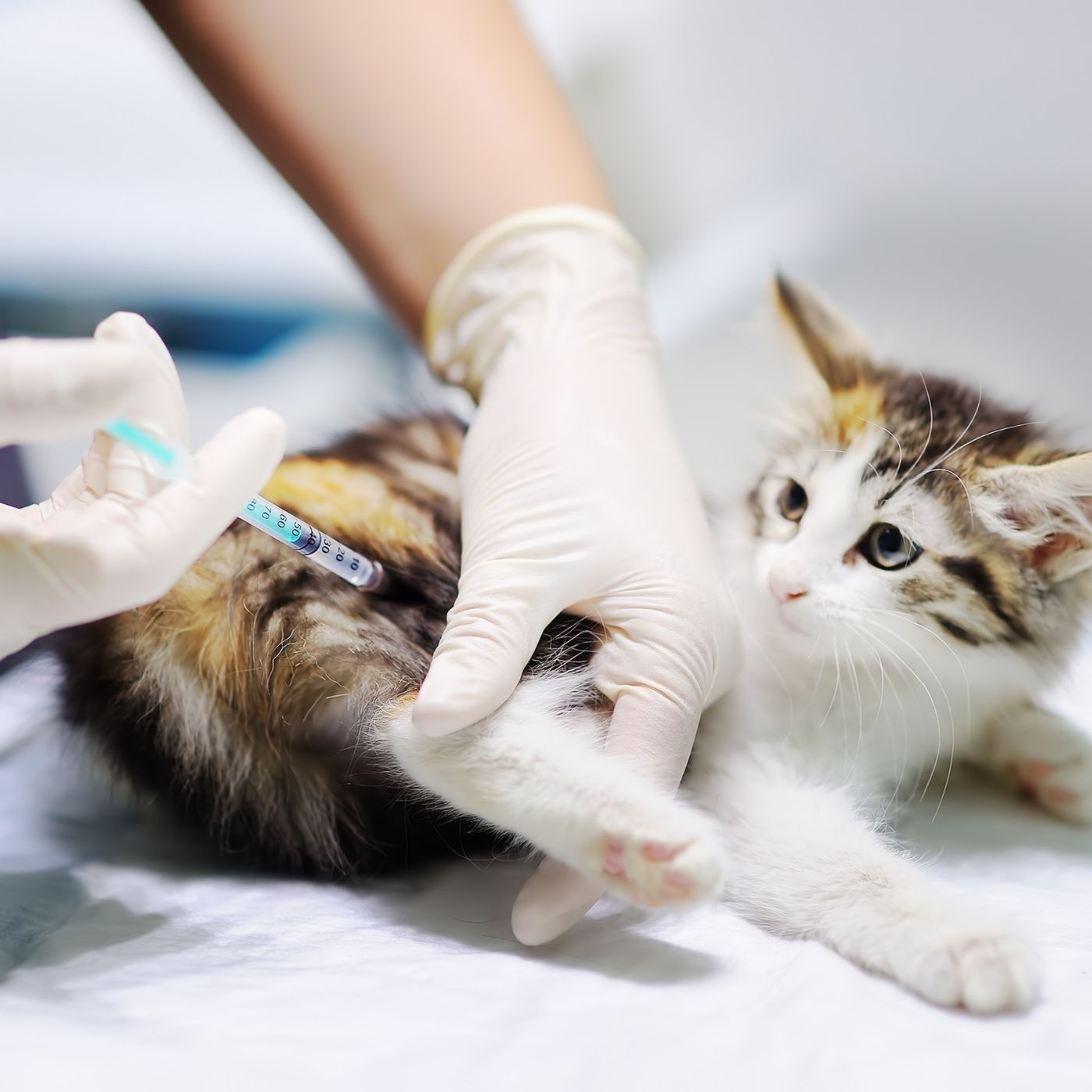
- Scenario 1 (The Vaccine Visit): A previously calm dog becomes highly agitated and attempts to pull away violently when the vet approaches with a syringe. This demonstrates panic related to needle phobia, requiring immediate use of calming distractions or mild restraint aids during vaccination.
- Scenario 2 (The Dental Exam): A cat, which is generally subdued, becomes tense and vocal whenever the vet attempts to view its mouth. This reaction highlights a specific fear of oral examination, necessitating careful communication with staff and potentially requiring sedation or pheromonal aids for optimal care.
- Scenario 3 (The Lab Visit): A small dog shows elevated cortisol levels—manifesting as pacing, yawning, and excessive licking—from the moment they enter the waiting room. This demonstrates generalized environmental stress before any physical examination has even begun, emphasizing pre-visit preparation techniques.
Consistency, predictability, and positive association are the three pillars of managing vet anxiety. Start your desensitization process far in advance to build trust and reduce the perceived threat.
Related Topics
If you have further questions about routine care or specific types of animal health management, these resources may be helpful:
- We offer extensive guides on general practices, such as Veterinary Clinic: The Local Reference in Lorena, SP, Brazil and Veterinary Clinic: The Local Reference in Mauriti, CE, Brazil.
- For exotic pets, learning about maintenance is crucial; read our guide on How Often Should Guinea Pigs See a Vet?
- Local resources are also available for supplies and support in areas like Your Guide to All 6 Pet Shops in Santo André, SP, Brazil or Guide to All 15 Veterinary Clinics in Salvador, BA, Brazil, Learn More!
- When faced with difficult end-of-life conversations, understanding Understanding End-of-Life Care and Euthanasia Decisions is vital.
- For legal and geographical context regarding animal welfare, check out Legislação na Saúde Animal — Guia Animal (Brazil, in Portuguese).
- If you are looking for breed information, consult the Guia das Raças de cachorros — Guia Animal (Brazil, in Portuguese) or Gatos — Guia Animal (Brazil, in Portuguese).
Frequently Asked Questions
Why does my pet seem more anxious at the vet clinic than they do at home?
The combination of strong, unfamiliar smells (disinfectants, litter box waste), unpredictable noise levels (sirens, barking, equipment beeping), and structured human handling in an unfamiliar space creates a perfect storm for acute stress and panic responses.
Is it normal for cats to hide when they are stressed at the vet?
Yes, hiding is a common behavioral coping mechanism. It allows them to escape overstimulation and feel safe in a small, confined space. Respecting this need for retreat is better than forcing interaction.
How long does it take for my pet to adjust to vet visits?
This varies greatly, but with consistent desensitization over several weeks or even months, significant improvement can be seen. Patience and positive reinforcement are key.
Can diet play a role in reducing pet anxiety?
Some owners find success with supplements containing L-Tryptophan or high levels of Omega fatty acids, which support overall brain function and emotional stability. Always consult your vet before adding any dietary changes.
Should I expect my pet to be calm during routine care?
It is realistic to prepare for some level of stress. The goal isn’t zero anxiety, but minimizing the acute panic response through preparation and gentle handling.
Is it acceptable to sedate my pet before a required procedure?
Yes, if severe anxiety or phobias are hindering necessary medical care (like major dental cleaning). This must be done under strict veterinary supervision and sedation levels should be the minimum required for safety.
Remember that you are your pet’s greatest advocate and source of calm. By viewing the vet visit not as a terrifying ordeal, but as a planned exercise in resilience and positive association, you empower both of you to navigate even the most stressful encounters with greater ease.
Actionable Step: Use one consistent calming object—be it a blanket, a specific chew toy, or a scented spray—during all future visits. This makes your pet feel grounded and helps them associate the trip with safety.
Keywords: pet anxiety, vet visit stress, calming pets, dog fear of vet, cat vet anxiety, animal behavior modification, desensitization, pet enrichment, canine phobias, feline stress management, veterinary care tips, artificial intelligence pet health, modern pet owner guide, animal welfare, routine checkup preparation, handling nervous animals, veterinary resources, pet coping mechanisms, low-stress clinic.