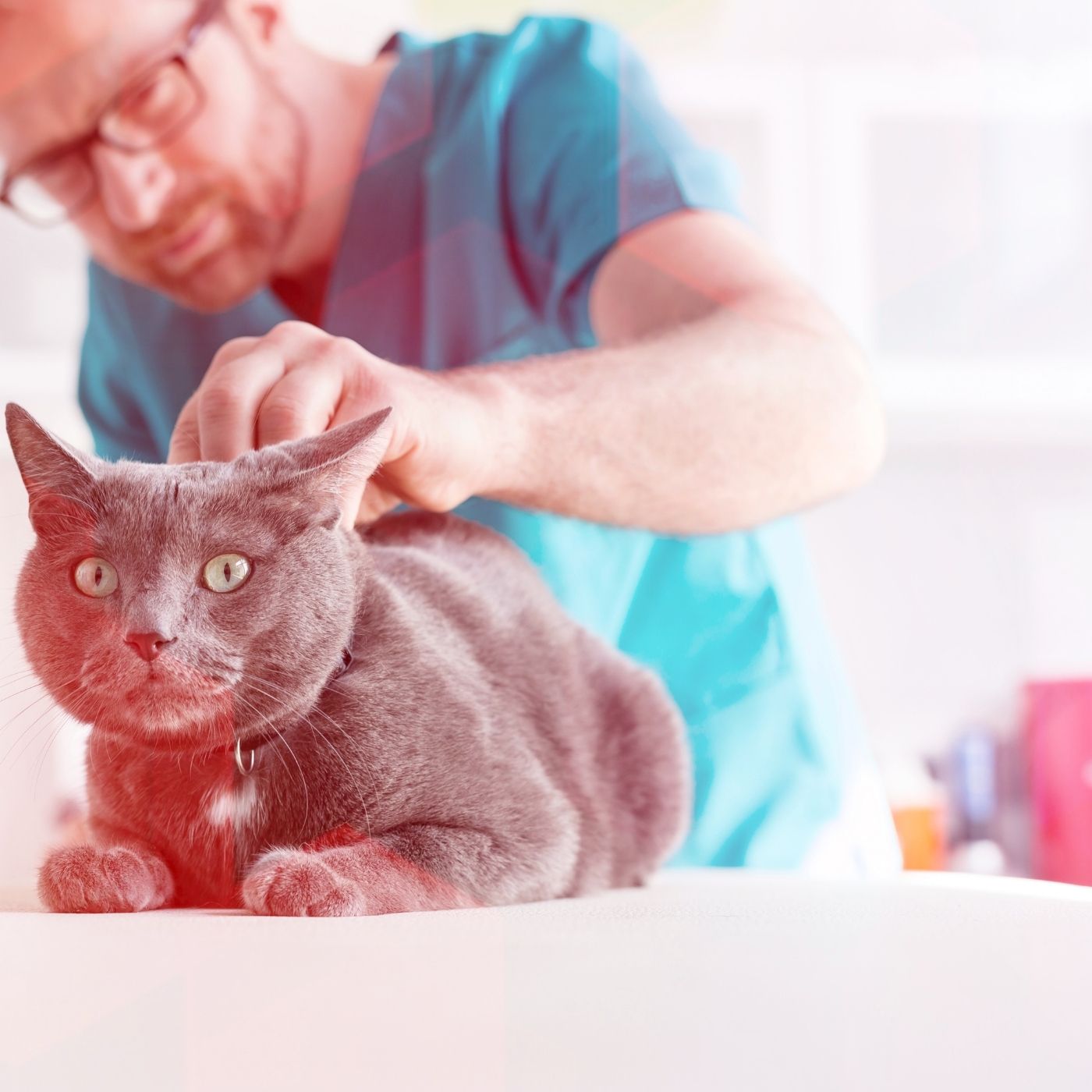
Can indoor cats get fleas?
Can Indoor Cats Get Fleas? A Comprehensive Guide to Transmission and Prevention
If you are reading this late at night, it is likely because you have spotted something worrying—a tiny bite, a mysterious scratching habit, or perhaps a few suspicious flakes near your indoor cat. It is completely normal to feel anxious and overwhelmed when your beloved companion seems unwell, especially when the culprit might be as minuscule and invisible as fleas.
The primary worry for pet owners who meticulously keep their cats indoors is simple: Are we safe? The good news is that keeping your cat strictly inside drastically reduces *direct* exposure risk compared to outdoor lifestyles. However, the reality is that they absolutely can get fleas. Understanding how transmission occurs—whether from the environment or other sources—is the critical first step toward effective prevention and keeping your cat comfortable.
Understanding How Fleas Reach Indoor Cats
Contrary to popular belief, fleas do not always require a direct encounter with an outdoor host animal. They are highly resilient parasites whose life cycle involves four stages: the flea egg, larva, pupa, and adult flea. Understanding this cycle is key because it means that even if your cat doesn’t interact with local wildlife, contamination can enter the home environment.
Indirect Transmission Sources
The most common sources of infestation for indoor cats are:
- Contaminated Belongings: Items that have been used by animals in areas with fleas—like flea combs, rugs near pets’ outdoor access points, or bedding belonging to a pet visited at an outdoor gathering.
- Other Pets and People: If you have other pets (even non-flea carriers) or if guests bring in items from outside, the risk multiplies. Humans can also inadvertently track fleas into the home on their clothing or shoes.
- Subclinical Carriers: Sometimes, a cat may carry very low numbers of fleas that are just enough to maintain an environmental reservoir without causing severe symptoms, making them susceptible to catching more when stress levels rise.
Fleas spend most of their life cycle in the environment (in carpets, bedding, and furniture) as eggs, larvae, and pupae. This makes routine environmental cleaning just as critical as treating the pet itself.
Assessing Environmental Risk Levels
While genetics and diet play a role in skin health, the primary comparison for flea risk focuses on human pet management habits. This chart illustrates the relative risk associated with various indoor lifestyles.
Low
Moderate
High
Identifying Symptoms on Indoor Cats
Recognizing signs of infestation requires careful observation. While fleas typically bite, the cats’ reactions and the subsequent secondary infections are what owners usually notice.
Active, bleeding skin lesions or large patches of hair loss (alopecia); severe scratching that results in crusting or weeping sores; signs of systemic illness like lethargy combined with pruritus (excessive itching).
Advanced Prevention and Treatment Strategies
Prevention is significantly more effective, less costly, and less stressful than treatment. A multi-pronged approach targeting the cat (the host) and the environment (the source) is necessary.
Host Treatments
- Monthly Parasite Preventatives: Vet-prescribed spot-on treatments, oral chewables, and collars are the gold standard for keeping cats safe year-round. Consistency is mandatory; missing even one dose allows the parasite population to rebound.
- Microchip Integration: Some vets recommend integrating preventive care into microchip services for a comprehensive record of health status.
When vacuuming, use a specialized upholstery attachment and immediately discard the bag or contents. Steam cleaning areas frequently can also help kill larval stages in carpets.
Environmental Cleanup
- Laundering Bedding: All pet bedding, towels, and blankets should be washed weekly in hot water (above 60°C/140°F) to kill eggs and larvae.
- Vacuuming Protocol: Vacuum carpets, upholstered furniture, and car interiors thoroughly at least once a week.
Even the most pampered indoor cat requires strict, year-round preventative care because environmental contamination and indirect sources remain viable risks.
Real-World Scenarios
Scenario 1: The Grooming Table Transfer.
A cat owner brings home a favorite rug that was recently used at an outdoor pet playdate. Though the fur looks clean, close examination reveals small black specks in the pile and signs of slight irritation around the pet’s hindquarters shortly after arrival.
Scenario 2: The Vacuuming Residue.
A cat owner notices that even after vacuuming the living room three times a week, persistent itching and small red welts appear on their pet’s belly area, suggesting invisible, cyclical contamination from deep within the fabric fibers.
Scenario 3: The Guest Contamination.
A family friend, who owns a dog and was spending time with the cat before arriving at the house, inadvertently brings home flea remnants on their shoes or coats, leading to an acute flare-up of localized itching.
Related Topics for Further Reading
Understanding parasite control is part of holistic pet health. If you are concerned about other aspects of your cat or dog’s wellness, these related articles may provide useful context:
- Can dogs get sunburned? Understanding coat protection is vital, especially in seasonal changes or breeds with pale coats.
- What is feline hyperesthesia syndrome? This condition often involves skin sensitivity and scratching, which can mimic flea reactions but requires differential diagnosis.
- What is the recovery process after a dog is spayed? Proper understanding of post-surgical care helps prevent secondary infections like pyoderma, which can complicate flea bites.
- Are grain-free diets safe for dogs? Nutritional science plays a large role in skin integrity; ensuring proper nutrition helps the pet resist infections from minor infestations.
- Legislação na Saúde Animal — Guia Animal (Brazil, in Portuguese) This link provides information on veterinary law and regulations concerning pet health across regions.
- Guia das Raças de cachorros — Guia Animal (Brazil, in Portuguese) For owners looking for breed-specific health guidelines and care recommendations.
- Gatos — Guia Animal (Brazil, in Portuguese) A general resource providing information specific to feline pet ownership and care practices.
Frequently Asked Questions about Fleas
Do I need to vacuum my house if my cat has fleas?
Yes, thorough vacuuming is essential. Fleas and their eggs can live for months in carpets and furniture fibers. Always dispose of the vacuum bag immediately after cleaning.
How often must indoor cats be treated for fleas?
Ideally, prevention should be year-round. Treatment schedules depend on the product used and veterinary recommendations, but many vets advise quarterly treatment as a minimum safeguard.
Can I treat fleas using pet shampoos?
Shampoos can help remove visible fleas and kill some eggs on the surface, but they are rarely sufficient alone. They should be used as part of a comprehensive plan alongside vet-approved preventatives.
Will flea shampoos help with the environmental larvae?
No. Shampooing targets adult pests on the cat’s coat. To address environmentally staged parasites (eggs, larvae, pupae), vacuuming and washing linens are much more effective methods.
What is the difference between a flea bite and an allergic skin reaction?
Flea bites usually appear in clustered lines or patches, often accompanied by visible red points (flea dirt). Allergic reactions can be diffuse and generalized, but combining the signs with environmental cleanup and professional advice is key.
Are fleas linked to tapeworms?
While they are different parasites and require different treatments, the presence of one often indicates poor overall intestinal health or dietary deficiencies in the pet.
If you suspect an infestation, do not panic. The most crucial immediate step is to schedule a professional visit with your primary veterinarian. They can perform a thorough diagnosis and create a customized, effective treatment plan that addresses both the cat’s symptoms and the environmental source.
While indoor cats have a significantly reduced risk compared to outdoor pets, diligent preventative medication and rigorous environmental cleaning are non-negotiable practices for maintaining a healthy, parasite-free home.
Remember that pet health is a partnership. By being vigilant about routine care—medication reminders, thorough vacuuming, and washing shared items—you are doing everything possible to ensure your indoor cat remains comfortable and happy within their safe home environment.
Keywords: flea prevention in cats, indoor cats fleas, feline parasites, cat skin itching causes, how to treat pet fleas, environmental cleaning for fleas, best preventative medication for cats, veterinary advice on fleas, flea life cycle, eliminating fleas from house